

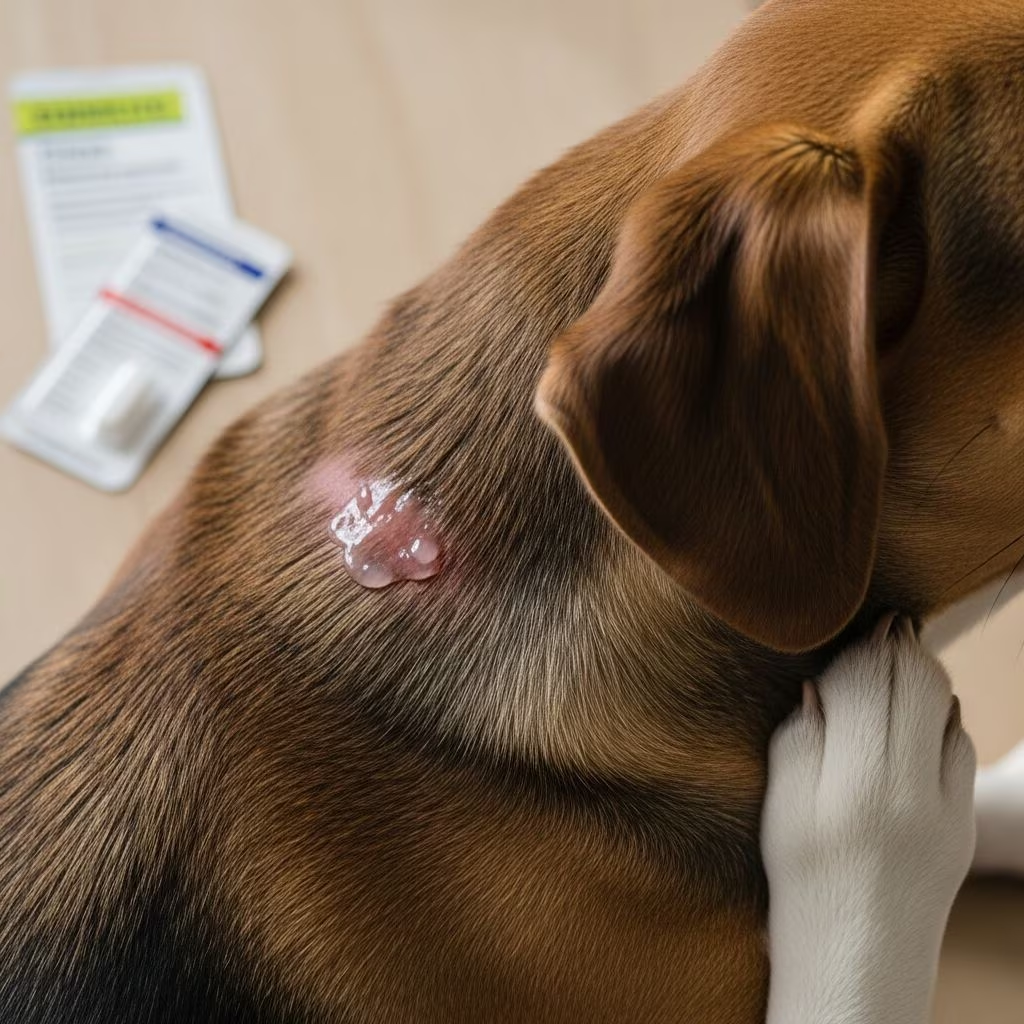
Topical spot-on treatments have become a go-to solution for many dog owners battling fleas and ticks, but these pesticide-based products carry significant health risks that warrant careful consideration. While effective against parasites, ingredients like fipronil, imidacloprid, and permethrin can lead to adverse reactions ranging from mild skin irritation to severe neurological issues in dogs.
How Spot-On Flea Products Work and Why They Pose Concerns
These treatments are liquid formulations applied directly to a dog’s skin, typically between the shoulder blades, where they spread through the sebaceous glands to kill fleas and ticks on contact or through systemic absorption. The active chemicals target the parasites’ nervous systems, but this mechanism isn’t always selective, potentially affecting the dog’s own neurology and organs.
Once applied, the pesticides enter the bloodstream, are processed by the liver and kidneys, and excreted via urine and feces. This internal journey exposes the entire body to potential toxicity, with risks amplified in households where children or other pets come into close contact. Laboratory studies on these chemicals have shown links to serious effects in test animals, raising red flags for canine use.
Common Adverse Reactions in Dogs
Dogs may exhibit a spectrum of symptoms after spot-on application, often appearing within minutes to hours. Early signs include excessive salivation, vomiting, and agitation from accidental ingestion, as pets may lick the treated area despite bittering agents.
- Skin-related issues: Intense itching, redness, hair loss, blisters, and thickened skin at the application site.
- Neurological symptoms: Tremors, seizures, lethargy, restlessness, ataxia (uncoordinated movement), and convulsions.
- Gastrointestinal distress: Nausea, diarrhea, and drooling.
- Behavioral changes: Unusual clinginess, pacing, depression, or hyperactivity.
Severe cases have resulted in organ damage, with the skin, digestive tract, and nervous system most commonly affected. The EPA has documented incidents including pet deaths linked to misuse or sensitivity.
Factors That Increase Vulnerability to Reactions
Not every dog reacts dramatically, but certain profiles heighten the odds of problems. Puppies under eight weeks, senior dogs, and those with pre-existing conditions like liver disease or epilepsy are prime candidates for adverse effects.
| Risk Factor | Why It Matters | Examples |
|---|---|---|
| Age | Immature or declining organ function impairs pesticide metabolism | Puppies, geriatric dogs |
| Size | Small breeds receive higher relative doses | Chihuahuas, Yorkies |
| Health Status | Compromised immunity or chemical sensitivity | Chronic illness, allergies |
| Multiple Exposures | Cumulative toxicity from collars, sprays, or lawn treatments | Combined products |
Breeds with thin coats or sensitive skin may absorb more product, while dogs groomed frequently risk ingestion. The EPA advises against using these on young, old, or sick animals.
Real-World Incidents and Regulatory Responses
Veterinary reports highlight cases like a German Shepherd displaying restlessness and clinginess post-treatment, resolving after 48 hours but signaling neurotoxicity. In one instance, multiple dogs suffered severe dermatitis, including bleeding skin and blisters from a spot-on product.
Regulatory bodies have taken note. The EPA’s evaluation of spot-on products confirmed safety under ideal conditions but mandated restrictions due to incidents involving skin, GI, and neurological harm, including fatalities. The FDA warns of isoxazoline class risks, such as tremors and seizures, urging veterinary consultation. Australia’s Animal Poisons Helpline emphasizes correct application to avoid oral toxicity.
Safe Application Guidelines to Minimize Harm
Even with risks, proper use reduces dangers. Always select species- and size-specific products—never apply dog formulas to cats, as permethrins can be fatal.
- Part the fur precisely at the base of the skull or mid-back.
- Apply the full dose without rubbing, preventing spread to paws or face.
- Prevent licking for 24-48 hours using an Elizabethan collar if needed.
- Monitor for 72 hours post-application.
- Avoid bathing or swimming for the recommended period.
Consult a vet for dogs with sensitivities, and report reactions to the manufacturer or poison hotline.
Exploring Safer, Natural Alternatives for Flea Control
For risk-averse owners, integrated pest management offers effective, low-toxicity options. Focus on environmental control alongside gentle repellents.
- Essential oils: Diluted neem, cedarwood, or lemongrass sprays (vet-approved doses only).
- Diatomaceous earth: Food-grade powder sprinkled on bedding and yards to dehydrate fleas.
- Vacuuming and washing: Daily routines remove up to 95% of eggs and larvae.
- Yard maintenance: Mow grass short, eliminate standing water, and use beneficial nematodes.
- Herbal collars: Infused with lavender or eucalyptus for mild repulsion.
Regular grooming with a flea comb catches adults early. Nutritional support via omega-3 supplements bolsters skin health, deterring infestations.
Long-Term Health Implications of Pesticide Exposure
Chronic low-level exposure accumulates, potentially straining detoxification organs over time. Studies link pesticides like fipronil and permethrin to broader ecological and health concerns, including wildlife toxicity. Dogs with repeated applications may develop sensitivities, making future treatments riskier.
Opting for minimal intervention preserves the microbiome and immune resilience, aligning with holistic veterinary approaches.
FAQs on Spot-On Flea and Tick Treatments
What should I do if my dog shows signs of reaction?
Wash the area with mild soap, contact your vet or poison helpline immediately, and monitor closely. Early intervention improves outcomes.
Are spot-on products safe for puppies?
Most are labeled for dogs over 8-12 weeks; younger pups risk higher toxicity due to immature livers.
Can I use multiple flea products together?
No—synergistic effects amplify risks. Stick to one method.
How effective are natural alternatives?
They excel in prevention but may need combining for heavy infestations; consistency is key.
What if my dog licks the spot-on?
Expect drooling or vomiting; severe cases may involve tremors. Seek professional advice promptly.
Choosing the Best Protection Strategy for Your Dog
Balance efficacy with safety by assessing your dog’s lifestyle, local parasite prevalence, and health history. Partner with your veterinarian to tailor a plan, prioritizing prevention over reaction. By understanding these risks, you empower informed decisions that safeguard your furry companion’s well-being.
References
- Are Topical Flea Killers Safe? — Whole Dog Journal. 2023. https://www.whole-dog-journal.com/care/flea-care/are-topical-flea-killers-safe/
- Flea and Tick Spot-On: Safe Application and Risks for Pets — Animal Poisons Helpline. 2021-10-15. https://www.animalpoisons.com.au/news/flea-and-tick-spot-on/
- Dermatology 101: Spot-on Flea and Tick Products and Potential Adverse Reactions — Bethel Pet Hospital. 2023. https://www.bethelpethospital.com/blog/dermatology-101-spot-on-flea-and-tick-products-and-potential-adverse-reactions
- EPA Evaluation of Pet Spot-on Products: Analysis and Plans for Reducing Harmful Effects — U.S. Environmental Protection Agency. 2023. https://www.epa.gov/pets/epa-evaluation-pet-spot-products-analysis-and-plans-reducing-harmful-effects
- Flea and Tick Medicine Poisoning in Dogs — PetMD. 2024. https://www.petmd.com/dog/poisons/flea-and-tick-medicine-poisoning-in-dogs
- Fact Sheet for Pet Owners and Veterinarians about Potential Adverse Events Associated with Isoxazoline Flea… — U.S. Food and Drug Administration. 2023. https://www.fda.gov/animal-veterinary/animal-health-literacy/fact-sheet-pet-owners-and-veterinarians-about-potential-adverse-events-associated-isoxazoline-flea
- Safe use of flea and tick preventive products — American Veterinary Medical Association. 2024. https://www.avma.org/resources-tools/pet-owners/petcare/safe-use-flea-and-tick-preventive-products



