

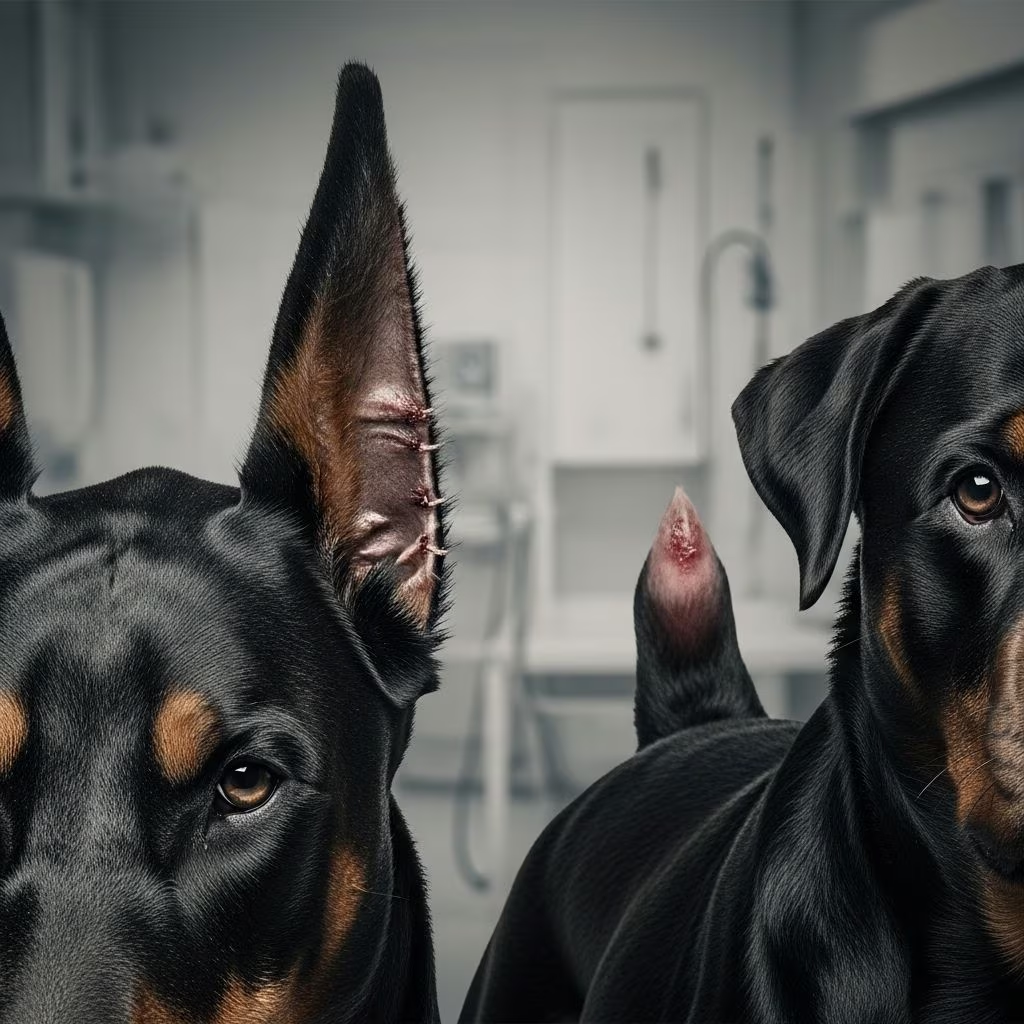
Cosmetic procedures like tail docking and ear cropping involve surgically altering a dog’s natural appearance, often performed on puppies for breed standards or aesthetics. These practices carry significant health risks, cause unnecessary pain, and impair vital communication functions without providing any proven benefits to the animal.
Understanding Tail Docking: What It Involves and Why It’s Done
Tail docking typically occurs shortly after birth, where a portion of the puppy’s tail is removed using scissors, clamps, or surgical tools. Proponents claim it prevents injuries in working dogs or meets breed conformations, but evidence shows no such advantages exist. Instead, the procedure exposes young dogs to acute pain during a critical developmental stage when their nervous systems are immature.
Neonatal puppies experience nociception—pain signaling—even without fully developed pain pathways, leading to long-term sensitivity changes. Docked tails also heighten risks for conditions like urinary incontinence due to nerve damage near the spine.
The Painful Reality of Ear Cropping Procedures
Ear cropping entails cutting away parts of the ear flap, usually between 6-12 weeks of age, followed by splinting or taping to force an upright posture. Performed under anesthesia by professionals, it still involves substantial tissue removal, bleeding, and healing periods prone to infection. Amateur attempts without pain relief exacerbate trauma, resulting in scarred, inflamed ears as seen in rescue cases.
General anesthesia itself poses risks, including respiratory issues, while post-operative care demands frequent cleaning and monitoring to avoid complications like distorted ear shapes requiring further surgery.
Health Complications from These Cosmetic Surgeries
- Infections and Poor Healing: Open wounds from cropping or docking often become infected, especially without veterinary oversight, prolonging recovery and causing chronic pain.
- Bleeding and Anesthesia Risks: Significant blood loss and adverse reactions to anesthetics are common, particularly in very young puppies.
- Long-Term Physical Issues: Cropped ears may fail to stand properly, leading to repeated interventions; docked tails correlate with spinal nerve problems and incontinence.
| Procedure | Common Complications | Reported Incidence |
|---|---|---|
| Tail Docking | Urinary incontinence, nerve damage | Documented in veterinary studies |
| Ear Cropping | Infection, improper healing, anesthesia risks | Case studies confirm risks |
Behavioral and Communication Impacts on Dogs
Dogs rely on ears and tails for expressing emotions—tails wag for joy, tuck for fear; ears flatten in submission or perk in alertness. Removing these tools hinders inter-dog and dog-human interactions, leading to misunderstandings. Cropped dogs struggle to convey distress, increasing exposure to stressful situations and potential aggression from misinterpreted signals.
Performed during socialization windows (3-12 weeks), these surgeries disrupt emotional development. Puppies endure trauma affecting pain thresholds into adulthood, fostering anxiety or reduced tolerance around stimuli. Other dogs may react warily to altered body language, isolating the affected animal socially.
Ethical Concerns and Welfare Standards
Veterinary bodies worldwide deem these surgeries unethical, labeling them as mutilations for cosmetic gain. They violate principles that interventions should only occur for medical necessity, causing undue suffering without welfare improvements. Claims of preventing ear infections or tail injuries lack substantiation; heavy ears don’t inherently cause infections, and active dogs manage natural tails fine.
Breeding for natural traits promotes healthier, genetically diverse populations, aligning with goals of organizations like the Canadian Veterinary Medical Association.
Global Legal Status: Bans and Regulations
- Prohibited in Many Regions: Illegal in the UK under the Animal Welfare Act 2006, banned in most European countries, Australasia, and parts of the US/Canada.
- Still Permitted Elsewhere: Legal in the US (some states vary) and Russia, fueling concerns over international cropping tourism.
- Veterinary Opposition: AVMA, BVA, CVMA, and others actively discourage the practices.
Alternatives to Achieve Breed Standards Naturally
Selective breeding favors dogs with naturally erect ears or short tails, preserving breed character without surgery. Owners can embrace natural looks, which enhance expressiveness and appeal. Taping floppy ears in breeds like Dobermans is sometimes tried but offers no health benefits and mimics unnatural standards.
Education campaigns shift public perception, reducing demand for altered appearances and encouraging welfare-focused choices.
Real-Life Stories: The Lasting Effects
Rescued dogs like Eton, a Neapolitan Mastiff cross, bear lifelong scars from botched cropping—inflamed, infected ears from non-anesthetized cuts. Such cases highlight welfare failures, with animals suffering anxiety and health setbacks long-term.
FAQs on Tail Docking and Ear Cropping
Is ear cropping painful for dogs?
Yes, it causes significant pain, especially without proper anesthesia, and disrupts healing with infection risks.
Does tail docking prevent injuries?
No evidence supports this; natural tails rarely cause severe issues in active dogs.
Why do some breeds require these procedures?
Breed standards are tradition-based, not health-driven; many clubs now accept natural variations.
Can cropped or docked dogs live normal lives?
They can, but with compromised communication and potential health/behavioral challenges.
What should I do if I see a puppy needing docking/cropping?
Report to authorities if illegal, and advocate for natural preservation.
Conclusion: Prioritizing Dog Welfare Over Aesthetics
Choosing unaltered dogs supports ethical breeding and true welfare. Veterinary consensus urges abandonment of these risky, unnecessary procedures for healthier, happier companions.
References
- Overlooked behavioural consequences of ear cropping — British Veterinary Association (BVA). 2023. https://www.bva.co.uk/news-and-blog/blog-article/overlooked-behavioural-consequences-of-ear-cropping/
- Tail docking and ear cropping — A reply — PubMed Central (PMC), NIH. 2010-08-01. https://pmc.ncbi.nlm.nih.gov/articles/PMC2942042/
- Ear cropping in dogs — American Veterinary Medical Association (AVMA). 2024-08. https://www.avma.org/sites/default/files/2024-10/avma-lit-review-ear-cropping-0824.pdf
- Ear Cropping in Dogs — RSPCA. Accessed 2026. https://www.rspca.org.uk/adviceandwelfare/pets/dogs/health/earcropping
- Tail Docking and Ear Cropping Dogs: Public Policy Position — Referenced in AVMA literature. 2024.



