

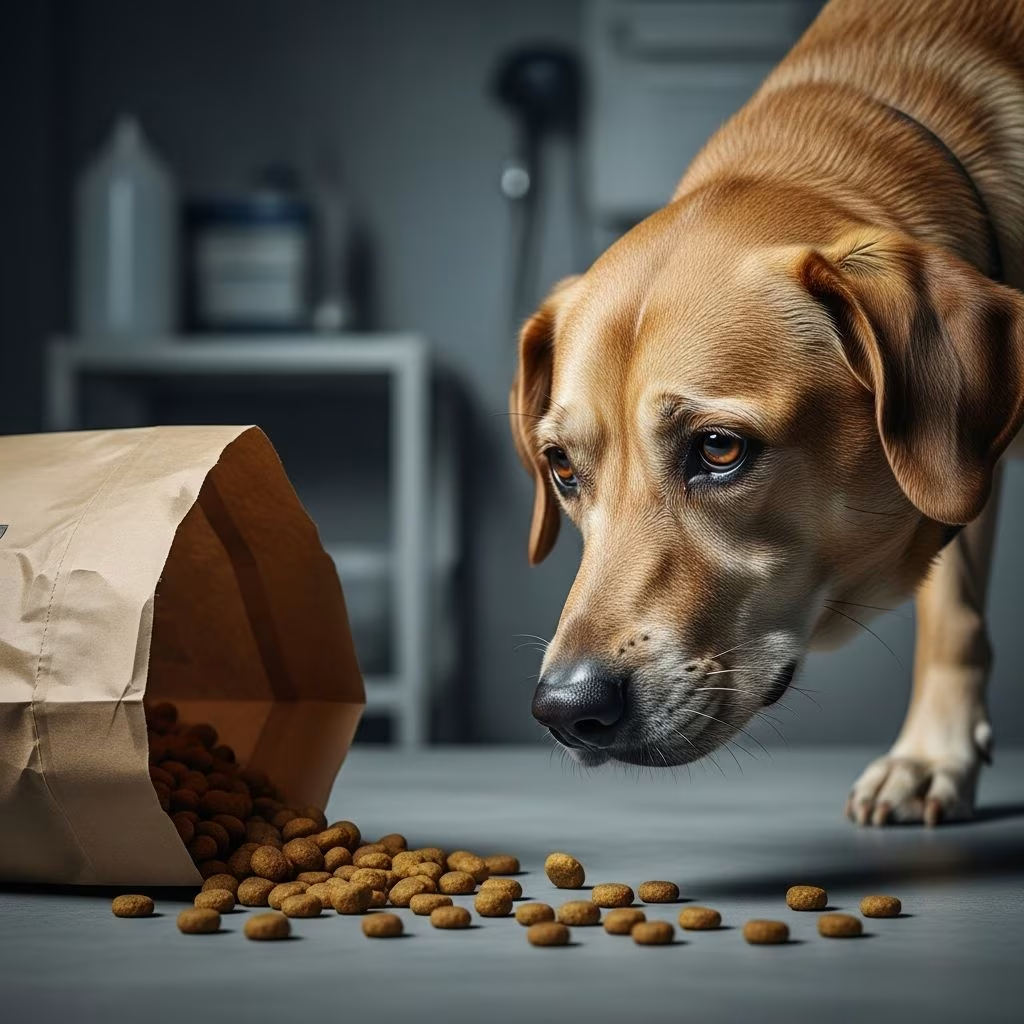
Synthetic preservatives play a key role in keeping commercial dog foods fresh by stopping fats and oils from going rancid. However, these chemical additives, including **BHA**, **BHT**, and **ethoxyquin**, carry potential health risks for dogs that every owner should understand. While regulators permit small amounts, mounting evidence points to issues like cancer promotion, organ damage, and allergic responses over time.
Understanding Preservatives in Pet Nutrition
Dog foods rely on preservatives to maintain quality during storage and shipping. Fats in ingredients like fish meal oxidize quickly, leading to spoilage and harmful free radicals. Synthetic options provide long shelf life at low cost, but natural alternatives exist too.
- Synthetic types: Lab-made chemicals designed for stability.
- Natural types: Derived from plants or vitamins, often shorter-lasting but gentler.
Choosing between them affects not just food freshness but your dog’s long-term vitality. Regulatory bodies like the FDA set limits, yet international bans highlight ongoing debates.
Common Synthetic Preservatives and Their Profiles
Several artificial compounds dominate dog food labels. Here’s a breakdown of the most concerning ones.
| Preservative | Primary Use | Key Concerns |
|---|---|---|
| BHA (Butylated Hydroxyanisole) | Antioxidant for fats/oils | Tumor promotion in lab animals; endocrine disruption |
| BHT (Butylated Hydroxytoluene) | Similar to BHA | Cancer links; allergic reactions; behavior changes |
| Ethoxyquin | Fish meal stabilizer | Liver/blood issues; genetic mutations; banned in EU/Australia |
| TBHQ (Tert-Butylhydroquinone) | Shelf-life extender | Potential carcinogen at high doses |
| Propyl Gallate | Antioxidant synergist | Tumor formation in rats |
These additives often appear without fanfare, sometimes hidden if added to raw ingredients before processing.
Health Hazards Linked to BHA and BHT
**BHA** and **BHT** head the list of worrisome preservatives. Studies from the University of Hamburg label them as tumor promoters. The U.S. Department of Health and Human Services notes BHA induces tumors in rodents, fish, and other species.
In dogs, chronic intake may lead to:
- Allergic skin conditions and itching.
- Digestive upset like vomiting or diarrhea.
- Endocrine interference, affecting hormones and metabolism.
- Increased cancer risk over years.
The EU flags BHA as an endocrine disruptor. While FDA caps levels at safe thresholds for short-term use, lifetime exposure in pets raises flags. Some nations ban these outright in pet foods.
Ethoxyquin: The Controversial Stabilizer
Ethoxyquin stands out for its dual role as a preservative and pesticide. Originally for rubber production, it now preserves fish-heavy dog foods. FDA probes link it to liver damage and blood disorders.
Key issues include:
- Formation of p-phenetidine, a genetic mutagen.
- Bans in the EU and Australia due to reproduction risks in long-lived animals.
- Labeling loopholes: Not always listed if pre-added to ingredients.
Even at permitted doses, researchers hesitate to deem it safe for breeding or senior dogs with extended lifespans.
Other Chemical Additives Posing Threats
Beyond the big three, watch for sodium nitrite, propylene glycol, and potassium sorbate. Sodium nitrite, a color fixer, forms carcinogenic nitrosamines. Propylene glycol retains moisture but harms cats and may irritate dog kidneys. Potassium sorbate damages immune cells.
Emulsifiers like carboxymethylcellulose and polysorbate-80, common in ultra-processed foods, correlate with inflammatory bowel disease.
Regulatory Landscape: Permissions vs. Precautions
The FDA allows up to 0.1% BHT/BHA in pet food, citing general safety. Ethoxyquin faces scrutiny but remains legal in the U.S. Contrast this with stricter EU rules banning ethoxyquin and restricting others.
Environmental Protection Agency assessments downplay cancer risks at low doses. Yet, bodies like the International Agency for Research on Cancer classify BHA/BHT as possible carcinogens. Pet owners often prioritize precaution over minimal-risk approvals.
Signs Your Dog May React to Preservatives
Sensitivity varies by breed, age, and health. Watch for:
- Skin issues: Rashes, hot spots, excessive shedding.
- GI distress: Loose stools, gas, appetite loss.
- Behavioral shifts: Hyperactivity or lethargy.
- Chronic woes: Weight gain, immune weakness, unexplained illnesses.
Dogs with pre-existing conditions or purebred lines may suffer more acutely.
Superior Natural Preservatives for Dog Food
Natural options shine brighter. Mixed **tocopherols** (vitamin E) and **ascorbic acid** (vitamin C) neutralize oxidation effectively. Rosemary extract adds potent antioxidants without synthetic baggage.
- Pros: Biocompatible, nutrient-boosting, fewer allergies.
- Cons: Shorter shelf life requires fresher production.
These support immunity rather than burden it, aligning with holistic canine care.
How to Spot and Avoid Problematic Ingredients
Scan labels meticulously:
- Avoid anything ending in -ate or chemical names like E320 (BHA).
- Seek “preserved with tocopherols” or “rosemary extract.”
- Opt for human-grade or organic lines with transparent sourcing.
- Contact manufacturers for ethoxyquin disclosure.
Fresh, frozen, or home-prepared diets sidestep preservatives entirely.
Transitioning to Preservative-Free Feeding
Switch gradually over 7-10 days to prevent tummy upset:
- Days 1-3: 25% new food + 75% old.
- Days 4-6: 50/50 mix.
- Days 7-9: 75% new + 25% old.
- Day 10: Full new diet.
Monitor stools and energy. Consult vets for tailored plans, especially for pups or seniors.
Long-Term Benefits of Cleaner Diets
Ditching synthetics yields shinier coats, firmer stools, and peppier pups. Reduced toxin load eases organ strain, potentially extending lifespan. Owners report fewer vet trips and allergy flares after changes.
FAQs on Dog Food Preservatives
Are all preservatives bad for dogs?
No, natural ones like vitamin E are safe and beneficial. Synthetics pose the risks.
Can small amounts of BHA/BHT harm my dog?
Daily low doses accumulate; studies link them to tumors and disruptions.
Why is ethoxyquin still allowed?
FDA deems low levels safe for meat animals, extending to pets despite international bans.
How do I know if food has hidden preservatives?
Fish meal often signals ethoxyquin; ask suppliers directly.
What if my dog loves their current food?
Prioritize health—gradual switches maintain appeal while upgrading nutrition.
Empowering Choices for Your Dog’s Future
Informed label reading transforms feeding from routine to proactive care. By favoring natural preservatives, you shield against avoidable risks, fostering a healthier, happier companion.
References
- Diagnosing Your Pet’s Health One Preservative at a Time — The Pet Belly. 2023. https://thepetbelly.com/blogs/the-pet-belly-way/diagnosing-your-pets-health-one-preservative-a-time
- Preservatives In Dog Food — Wag Tantrum. 2023. https://wagtantrum.com/blogs/news/preservatives-in-pet-food
- The Facts About Artificial Preservatives and Antioxidants in Dog Food — Dog Food Advisor. 2024-01-15. https://www.dogfoodadvisor.com/red-flag-ingredients/artificial-preservatives-antioxidants-dog-food/
- Top 10 Dog Food Ingredients to Avoid & Why — We Are The Cure. 2023. https://wearethecure.org/top-10-dog-food-ingredients-to-avoid-why/
- What Ingredients to Avoid in Dog Food — Stella & Chewy’s. 2023. https://www.stellaandchewys.com/blogs/articles/dog-food-ingredients-to-avoid
- Problems With Artificial Preservatives in Dog Food — Whole Dog Journal. 2023. https://www.whole-dog-journal.com/food/problems-with-artificial-preservatives-in-dog-food/



