

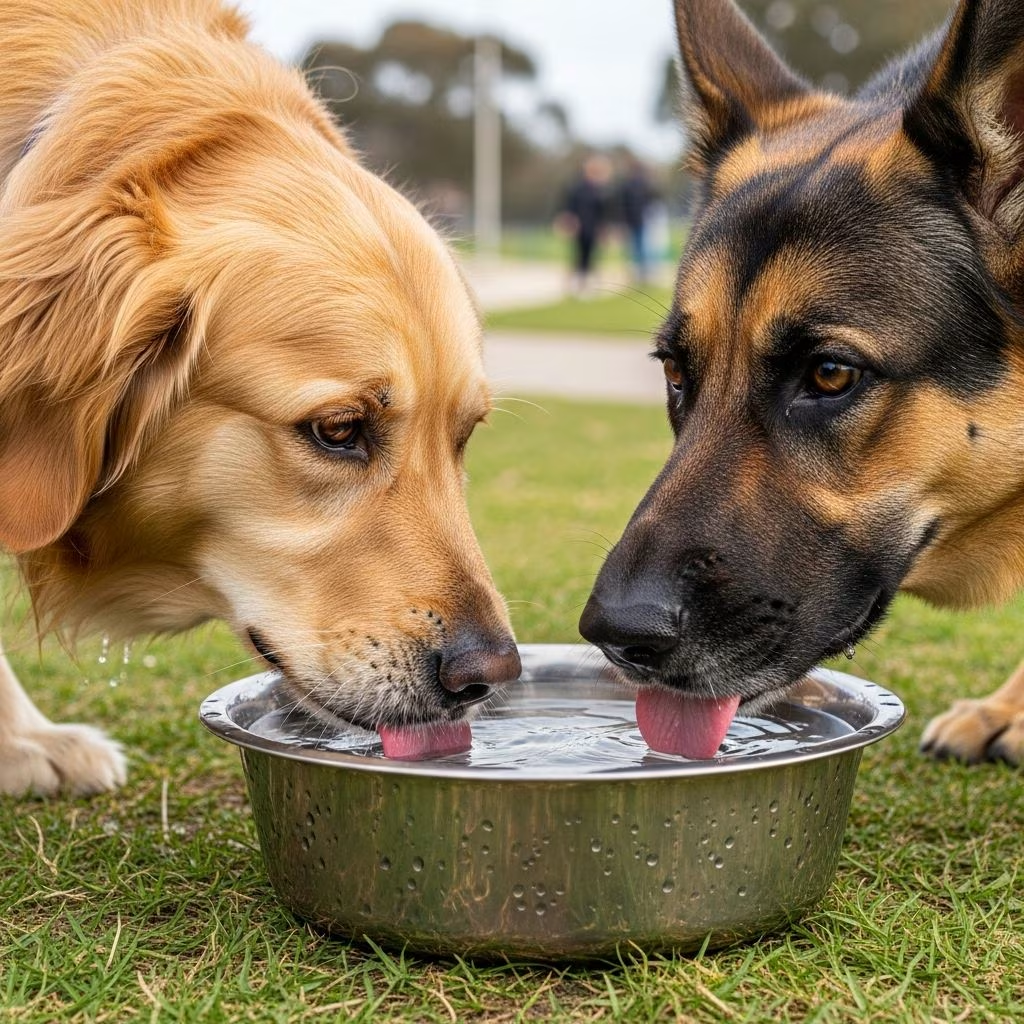
Public water bowls seem like a convenient way to keep dogs hydrated during walks, park visits, or outings to pet-friendly stores, but they often harbor dangerous pathogens that can lead to illness in your pet. Veterinary professionals highlight that while dehydration is a serious concern, especially in hot weather, the contaminants in these shared sources—from bacteria and viruses to parasites—make them a gamble not worth taking whenever alternatives exist.
Why Public Water Sources Are Problematic
Communal bowls at dog parks, trails, beaches, or retail spots are rarely cleaned with the rigor needed to prevent bacterial growth or pathogen buildup. Stagnant water becomes a breeding ground for mold, toxins, and environmental debris like fallen leaves, which introduce harmful microbes. Even if a bowl looks clean, invisible threats lurk from previous users.
Dogs don’t just drink from these bowls; they paw at the water, splash, and submerge their snouts, transferring contaminants directly into their mouths. A paw that stepped in feces moments earlier can contaminate the entire bowl, spreading parasites or bacteria to the next dog. Rodents or wildlife may also visit overnight, leaving urine, feces, or parasites behind.
- Bacterial hotspots: Salmonella thrives in warm, moist environments like uncleaned bowls.
- Viral risks: Drool or sneezed particles from infected dogs can linger.
- Parasitic threats: Fecal matter introduces worms and protozoa.
Common Pathogens Lurking in Shared Bowls
Several diseases are directly linked to contaminated water sources, with symptoms ranging from mild digestive upset to life-threatening conditions. Healthy adult dogs may fight off minor exposures thanks to robust immune systems, but puppies, seniors, and immunocompromised pets face higher dangers.
| Pathogen | Source of Contamination | Symptoms in Dogs | High-Risk Groups |
|---|---|---|---|
| Giardia | Fecal matter on paws or direct deposit | Diarrhea, weight loss, poor nutrient absorption | Puppies, seniors |
| Salmonella | Bacteria from feces, rodents, or stagnant water | Vomiting, fever, lethargy | All dogs, especially young |
| Kennel Cough (CIRD) | Respiratory droplets in water | Coughing, nasal discharge | Unvaccinated dogs |
| Leptospirosis | Wildlife urine or contaminated water | Kidney/liver failure, jaundice | Outdoor dogs |
| Canine Papilloma Virus | Infected saliva | Warts on mouth, tongue | Young dogs |
Giardia, a protozoan parasite, is particularly notorious because it’s zoonotic—transmissible to humans—and spreads easily in standing water. Canine Infectious Respiratory Disease (CIRD) complex, formerly known as kennel cough, can be exhaled into bowls by asymptomatic carriers.
Real-World Incidents and Veterinary Warnings
Veterinarians across the U.S. have issued alerts about these risks, especially during summer when hydration needs peak. One Texas A&M expert noted that dogs pawing in bowls after stepping in feces directly introduce parasites and bacteria. A heartbreaking case involved a dog that fell critically ill after a dog park visit, likely from shared water contaminated with multiple pathogens.
Even indoor communal bowls at pet stores aren’t safe; without strict cleaning protocols, they accumulate saliva residues and paw prints. Nationwide reports emphasize that while infections are ‘rare’ in healthy dogs, the potential severity—from dehydration-mimicking diarrhea to organ damage—warrants caution.
Safe Hydration Strategies for On-the-Go
Prioritize your dog’s thirst without exposing them to risks by packing your own supplies. Portable options ensure fresh, clean water wherever you go.
- Collapsible bowls and bottles: Lightweight, leak-proof designs hold 20-32 ounces, perfect for hikes or parks.
- Insulated carriers: Keep water cool in hot weather to encourage drinking.
- Pre-measure portions: Fill before leaving home to avoid refilling from taps of unknown quality.
In emergencies, like extreme heat, a quick sip from a communal source beats dehydration, which causes heatstroke, dry gums, and organ stress. Signs of dehydration include tacky gums, sunken eyes, and weakness—act fast if seen.
Maintaining Clean Water at Home
Home bowls can be as dirty as public ones if neglected. A consumer study ranked dog bowls among the filthiest household items, harboring more bacteria than toilet seats due to infrequent washing.
Opt for stainless steel bowls certified safe—they resist scratches where bacteria hide and don’t leach chemicals. Avoid plastic, which pits and holds germs, or ceramic, prone to cracks.
- Refill with fresh water twice daily.
- Wash with hot, soapy water; dishwasher-safe is ideal.
- Inspect for slime, debris, or odors—replace if persistent.
- Position away from food and high-traffic areas to minimize paw contamination.
Weekly deep cleans with pet-safe vinegar solutions kill 99% of bacteria without harsh chemicals.
Boosting Your Dog’s Defenses Against Illness
While avoidance is best, support immunity through vaccines, deworming, and diet. Core vaccines cover respiratory diseases; discuss leptospirosis boosters with your vet for outdoor dogs. Regular fecal tests detect parasites early.
A balanced diet with probiotics strengthens gut health, aiding resistance to ingested pathogens. Monitor for symptoms post-exposure: persistent diarrhea, coughing, or warts warrant immediate vet care.
FAQs on Dog Water Bowl Safety
Q: Is it ever okay to let my dog drink from a public bowl?
A: Only if dehydration is imminent and no alternative exists—healthy dogs usually handle minor exposures, but risks remain.
Q: How often should I clean my home water bowl?
A: Daily rinses and full washes twice a day; deep clean weekly.
Q: Can parasites from bowls affect humans?
A: Yes, Giardia is zoonotic—hygiene matters for the whole family.
Q: What’s the best portable water option?
A: BPA-free stainless steel bottles with snap bowls for easy filling.
Q: Do all dogs face the same risks?
A: No—puppies, seniors, and sick dogs are most vulnerable.
Choosing the Right Bowl Materials
Not all bowls are equal; material impacts safety and longevity.
| Material | Pros | Cons | Recommendation |
|---|---|---|---|
| Stainless Steel | Durable, non-porous, dishwasher-safe | Can dent | Best overall |
| Plastic | Cheap, lightweight | Scratches harbor bacteria, chemical leaching | Avoid |
| Ceramic | Stylish, stable | Heavy, chips easily | Okay if lead-free |
| Glass | Cleanable, non-toxic | Breakable | For calm indoor dogs |
Look for NSF-certified products meeting food-grade standards to ensure no harmful leaching.
References
- Dangers of Communal Water Bowls for Dogs — Whole Dog Journal. 2023. https://www.whole-dog-journal.com/health/dangers-of-communal-water-bowls-for-dogs/
- Is it Safe for Dogs to Drink Out of Communal Water Bowls? — American Kennel Club. 2023. https://www.akc.org/expert-advice/health/communal-water-bowl-safety/
- Veterinarians warn pet owners about dangers of letting dogs use public water bowls — Boston 25 News. 2023. https://www.boston25news.com/news/local/veterinarians-warn-pet-owners-about-dangers-letting-dogs-use-public-water-bowls/QK5YJO3OXZF6DPZS3NVHPID7GA/
- Is It Safe For Dogs to Drink Out of Community Water Bowls? — PetCamp. 2023. https://www.petcamp.com/blog/is-it-safe-for-dogs-to-drink-out-of-community-water-bowls/
- Sharing Is Not Always Caring: Realities Of Communal Water Bowls — Texas A&M University. 2024-08-08. https://stories.tamu.edu/news/2024/08/08/sharing-is-not-always-caring-realities-of-communal-water-bowls/
- Veterinarians warn pet owners about dangers of letting dogs use public water bowls — YouTube/Boston 25 News. 2023. https://www.youtube.com/watch?v=NuIjDp9cV24



