

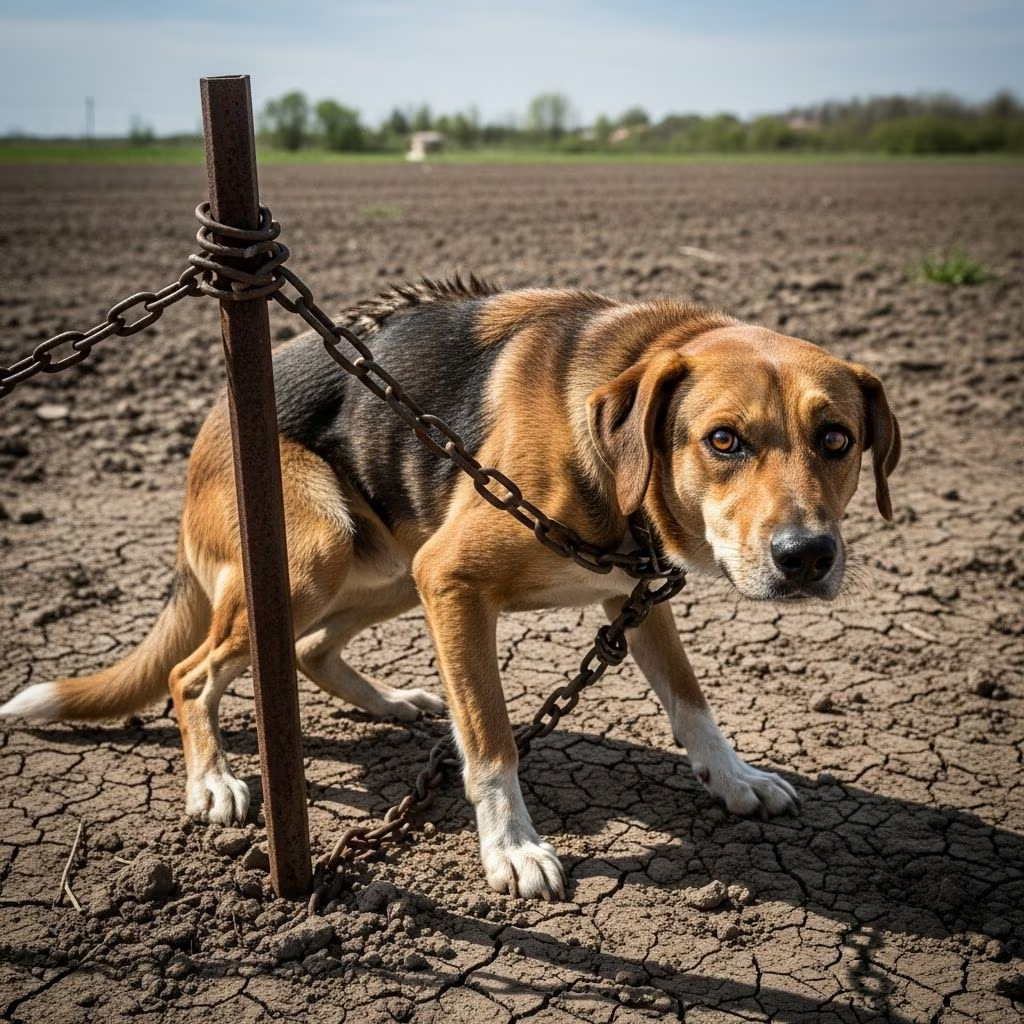
Tethering dogs outside, whether to a tree, stake, or clothesline, seems like a quick fix for containment but carries substantial hazards for the animal’s health and behavior. Physical entanglements, psychological distress, and increased aggression are common outcomes, as evidenced by reports from animal welfare organizations. This article delves into these issues and provides practical, humane alternatives.
Physical Hazards of Restraining Dogs Outside
One of the most immediate dangers involves the tether wrapping around yard objects like fences, bushes, or furniture, immobilizing the dog and blocking access to essentials such as water or shade. In hot climates, this can escalate to heatstroke or dehydration rapidly. Tethers can also constrict limbs or necks, leading to severe injuries including embedded collars or strangulation if the dog jumps or lunges.
Heavy chains exacerbate these problems by limiting movement and causing raw skin or sores from constant rubbing. Dogs may pull so hard that collars tighten painfully, sometimes embedding into the flesh if not regularly checked. Entanglement risks are heightened in cluttered yards, where even short tethers of 1 meter have left dogs trapped in direct sun without relief.
- Tethers entangle easily around obstacles, denying food, water, and shelter.
- Collars can embed in necks from prolonged pulling.
- Metal hardware heats up in sun, burning paws or mouths.
- Strangulation occurs from jumping or hidden yard protrusions.
Behavioral Impacts on Tethered Dogs
Dogs are inherently social pack animals requiring interaction, exercise, and mental stimulation. Constant tethering induces isolation, boredom, and anxiety, fostering neurotic behaviors like excessive barking or self-harm. Over time, frustration builds as dogs watch the world pass by just out of reach, triggering territorial instincts and prey drive.
Studies and welfare reports confirm that even temperamentally friendly dogs develop aggression when tethered. They become defensive against perceived threats, including passersby or other animals, due to helplessness and repeated teasing. This barrier frustration mirrors effects seen in dogs behind see-through fences, amplifying stress hormones and leading to unpredictable reactivity.
| Behavioral Change | Cause | Consequence |
|---|---|---|
| Increased Aggression | Frustration from limited reach | Biting risk if chain breaks |
| Neurotic Tendencies | Isolation and boredom | Excessive barking, pacing |
| Social Deprivation | Lack of human/animal contact | Anxiety, depression-like symptoms |
Environmental and Vulnerability Risks
Tethered dogs face heightened exposure to parasites, insects, and harsh weather without reliable shelter. In urban or suburban settings, they are prime targets for theft, harassment, or attacks by stray animals since tethers don’t deter intruders. Wildlife encounters or neighborhood cats can provoke futile lunging, worsening injuries.
Neglect often compounds these issues; many tethered dogs receive inconsistent care, living 24/7 on chains with inadequate food or veterinary attention. Legal repercussions have followed in cases of prolonged tethering, with owners fined thousands and banned from pet ownership.
Legal Considerations and Recent Regulations
Laws vary by location, but many regions now restrict or ban long-term tethering due to welfare concerns. Texas’s 2021 Safe Outdoor Dogs Act mandates approved trolley systems over chains, requiring shelter and water access. Similar guidelines from humane societies emphasize supervision and obstacle-free areas if tethering is unavoidable. Always verify local ordinances, as violations can lead to animal seizure and penalties.
Superior Alternatives to Tethering
Rather than risking tethering, invest in secure enclosures that allow natural movement and socialization. A sturdy, solid-wood fence (at least 6 feet high) prevents escapes and reduces visual stressors that provoke barking. Avoid chain-link or wire designs that incite frustration; opaque panels block unwanted sights.
- Solid Fencing: Best for long-term outdoor access; bury bases to stop digging.
- Trolley Systems: Temporary option with long cables along fences, but supervise closely.
- Indoor Crates/Pens: For apartments or short absences; rotate toys for engagement.
- Supervised Play: Walks or playdates fulfill exercise needs without restraint.
For diggers or escape artists, add gravel borders around gardens or coyote rollers on fence tops. Electric fences pose their own risks, shocking children or failing against intruders.
Implementing Safe Yard Confinement
Assess your yard: Remove climbable objects, secure water bowls (plastic, not metal), and provide shaded shelters. If using any tie-out temporarily, opt for lightweight, break-resistant cables with swivel clips to prevent twisting. Never leave dogs unattended for hours; check frequently.
Train for reliability using positive reinforcement—teach “place” commands for designated yard zones. Combine with daily walks (30-60 minutes) to prevent boredom-driven destruction.
Case Studies: Real-World Tethering Tragedies
Consider a border collie tied to a clothesline for two years, circling bare dirt with no socialization—rescued after complaints, highlighting cruelty. Another pit bull, tethered to guard property, broke free and attacked due to pent-up aggression. These underscore that tethering solves no problems; it creates them.
FAQs on Dog Tethering Safety
Is short-term tethering okay?
Only under direct supervision in clear areas; never overnight or in heat.
What if I lack a fence?
Use expandable pens, doggy daycares, or apartment-friendly harness walks.
Can tethers make my dog aggressive?
Yes, frustration and isolation commonly lead to defensive behaviors.
What’s the best fence material?
Solid wood or vinyl for privacy and durability.
Are trolley runs safe?
Better than stakes but still risky; use as interim while building proper enclosure.
Steps to Transition from Tethering
- Evaluate yard hazards and local laws.
- Install secure fencing or runs.
- Provide enrichment: puzzle toys, companions.
- Schedule vet checks for past injuries.
- Train for off-leash reliability in safe spaces.
By prioritizing these humane methods, dogs thrive without the perils of restraint. Owners gain peace of mind knowing their pets are protected, not imprisoned.
References
- Break the Chain: The Dangers of Tethering — Arizona Humane Society. Accessed 2026. https://www.azhumane.org/dangers-of-tethering/
- Be Cautious While Tying Your Dog in the Backyard — Whole Dog Journal. Accessed 2026. https://www.whole-dog-journal.com/care/be-cautious-while-tying-your-dog-in-the-backyard/
- The Dangers of Tethering Dogs — RSPCA Queensland. Accessed 2026. https://www.rspcaqld.org.au/blog/fact-check/the-dangers-of-tethering-dogs
- The Dangers of Long-Term Tethering — Texas Humane Network. 2021. https://texashumanenetwork.org/the-dangers-of-long-term-tethering/
- Dog Tie-Out Safety Tips — Carlson Pet Products. Accessed 2026. https://carlsonpetproducts.com/blogs/news/dog-tie-out-safety-tips



