

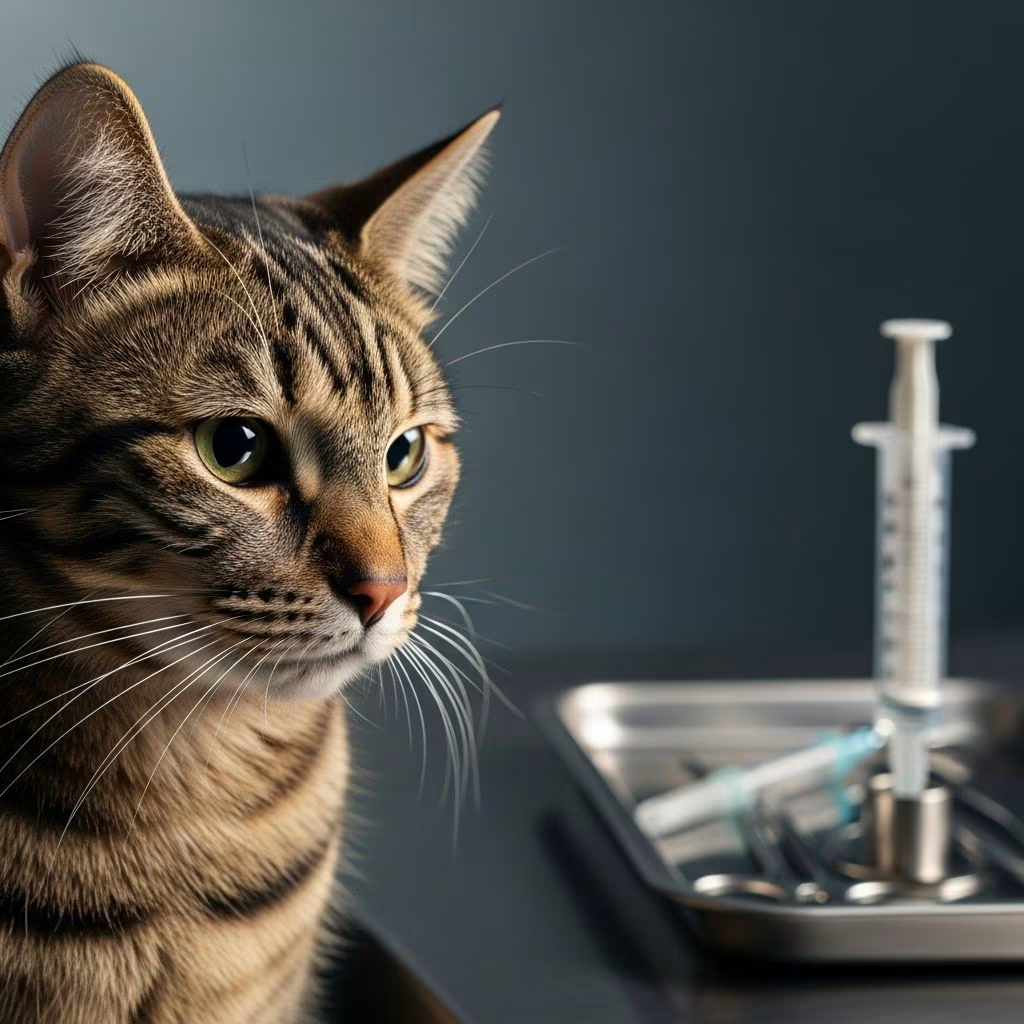
Steroid injections, particularly corticosteroids like methylprednisolone acetate (Depo-Medrol), are commonly prescribed for cats to manage inflammation, allergies, asthma, and autoimmune conditions. While effective, these injections pose significant risks, especially long-acting formulations that release the drug slowly over weeks. Cats generally tolerate steroids better than dogs or humans, but side effects can range from mild digestive upset to life-threatening issues like diabetes or congestive heart failure. This article explores when steroid injections are used, their potential side effects, and strategies to mitigate risks based on veterinary guidelines.
Conditions Treated with Steroid Injections in Cats
Corticosteroids are powerful anti-inflammatory and immunosuppressive drugs essential for treating various feline ailments. They mimic the body’s natural cortisol hormone to reduce swelling, control immune overreactions, and alleviate symptoms. Common conditions in cats that often require steroid therapy include:
- Feline asthma: Steroids reduce airway inflammation during acute attacks or for maintenance.
- Cancers like lymphoma: Used palliatively to shrink tumors and improve quality of life.
- Inflammatory Bowel Disease (IBD): Helps control chronic gut inflammation causing diarrhea and vomiting.
- Skin allergies and eosinophilic granuloma complex: Manages itching, lesions, and hypersensitivity reactions.
- Immune-mediated diseases: Treats conditions destroying red blood cells (anemia) or platelets (thrombocytopenia).
Short-term use at low doses is generally safe, but veterinarians prioritize the lowest effective dose for the shortest duration to balance benefits against risks. In a study of over 1,000 cats at a feline-only practice, incidences of severe side effects like steroid-induced diabetes (SI-DM) and congestive heart failure (SI-CHF) were documented, highlighting the need for caution.
Risks and Side Effects of Steroid Injections
Side effects occur because systemic steroids circulate throughout the body, affecting multiple organs beyond the target area. While any steroid form—oral, topical, or injectable—can cause issues, long-acting injections like Depo-Medrol are riskier. Once administered, the drug cannot be stopped or adjusted; it must metabolize naturally over 2-6 weeks. Risks escalate with high doses, prolonged use, or repeated injections.
Short-Term Side Effects
These appear within days and are dose-dependent:
- Increased thirst (polydipsia) and urination (polyuria): Common at high doses, leading to accidents and dehydration if water is unavailable.
- Digestive upset: Diarrhea is most frequent in cats; vomiting, appetite loss, or panting may follow.
- Behavioral changes: Increased appetite causing weight gain, lethargy, or agitation.
Long-Term or Serious Side Effects
Prolonged exposure heightens dangers:
- Thin, fragile skin and poor wound healing: Skin tears easily, infections linger.
- Reactivation of latent viruses: Carrier cats may flare up with feline herpesvirus or calicivirus.
- Diabetes mellitus: Steroids induce insulin resistance; pre-diabetic cats may tip into full diabetes with excessive thirst, urination, and weight loss.
- Congestive heart failure (CHF): Rare but deadly in cats with subclinical heart disease; fluid retention overwhelms the heart.
- Other effects: Suppressed immunity increasing infections, muscle wasting, pot-bellied appearance, hypertension, and Cushing’s-like syndrome.
A peer-reviewed analysis confirms SI-DM and SI-CHF as primary concerns, with incidences varying by dose and cat health. Oral steroids share similar effects but allow dose tapering if problems arise.
Why Long-Acting Steroid Injections Pose Greater Risks
Long-acting injectables are intramuscular shots releasing steroids gradually, ideal for pill-averse cats that spit out or fight oral meds. However, drawbacks include:
| Aspect | Oral Steroids | Long-Acting Injections |
|---|---|---|
| Dose Control | Adjustable daily | Fixed for weeks |
| Side Effect Onset | Reversible quickly | Persistent until cleared |
| Use Case | Preferred for compliance | Only for non-oral cats |
| Risk Level | Lower with monitoring | Higher for diabetes/CHF |
Vets reserve injections for severe cases where orals fail, emphasizing alternatives like inhalers for asthma.
How to Minimize Risks of Steroid Injections in Cats
Veterinarians employ strategies to safeguard cats:
- Use lowest effective dose shortest time: Short courses (7-10 days) at minimal doses reduce complications.
- Prefer oral over injectable: Allows rapid adjustments; switch to pills post-injection if possible.
- Pre-treatment screening: Test for diabetes (blood glucose) and heart disease (echo, blood pressure) before long-acting shots.
- Monitor closely: Watch for polydipsia, polyuria, lethargy; schedule blood/urine checks for long-term use.
- Explore alternatives: Allergy immunotherapy, inhaled steroids (e.g., fluticasone for asthma), or diet trials for IBD.
Combining steroids with supportive therapies like probiotics or joint supplements can further mitigate gastrointestinal and muscular side effects. Regular vet check-ups are crucial for early detection.
FAQs About Steroid Injections in Cats
Are steroid injections safe for all cats?
No, they’re riskier for diabetics, heart patients, or elderly cats. Screening is essential.
How long do side effects from Depo-Medrol last in cats?
Up to 4-6 weeks, as the drug releases slowly; monitor symptoms throughout.
Can cats recover from steroid-induced diabetes?
Many do once steroids clear, but some require lifelong insulin.
What if my cat refuses oral steroids?
Discuss injections as last resort, or try compounded flavors/liquids. Inhalers are ideal for respiratory issues.
Should I stop steroids if side effects appear?
Never abruptly; consult your vet for tapering to avoid adrenal crisis.
Conclusion
Steroid injections save lives in feline medicine but demand judicious use. Prioritize oral forms, screen for comorbidities, monitor diligently, and seek alternatives to prevent irreversible harm. Informed cat owners partnering with vets ensure the best outcomes. If your cat needs steroids, discuss risks openly for tailored care.
References
- Risks of Steroid Injections for Cats — Catster (Ask the Vet). 2023. https://www.catster.com/ask-the-vet/risks-of-steroid-injection-in-cats/
- Side Effects of Injectable and Oral Steroids in Cats — Trudell Animal Health. 2024. https://trudellanimalhealth.com/blogs/blog/side-effects-of-injectable-and-oral-steroids-in-cats
- Steroid Treatment for Cats: When It’s Used and What Are Its Side Effects — PetCareRx. 2023. https://www.petcarerx.com/article/steroid-treatment-for-cats-when-its-used-and-what-are-its-side-effects/6598
- Incidences of Steroid-Induced Diabetes Mellitus and Congestive Heart Failure in Cats — PMC (Peer-Reviewed). 2023-10-15. https://pmc.ncbi.nlm.nih.gov/articles/PMC10581361/
- Side Effects of Corticosteroids — Paws & Claws Animal Hospital. 2024. https://pawsandclawsanimalhospital.com/side-effects-of-corticosteroids/



