

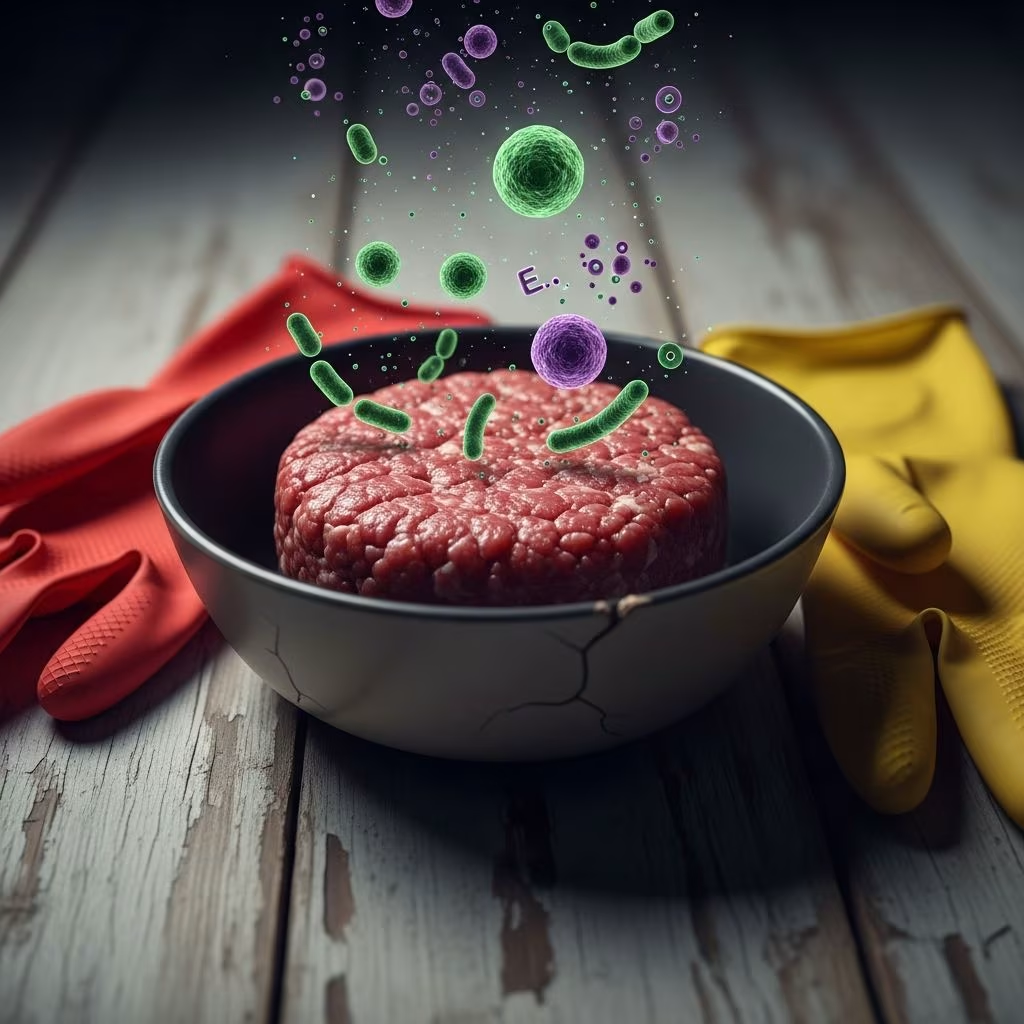
Raw diets for dogs, often promoted as mimicking ancestral eating habits, present substantial health hazards to both pets and their human companions. Veterinary organizations worldwide highlight contamination with dangerous pathogens and nutritional shortcomings as primary concerns.
Understanding Raw Feeding Trends
The popularity of raw diets stems from beliefs in enhanced vitality and shinier coats, yet scientific evidence reveals more risks than rewards. These diets typically include uncooked meat, bones, organs, and sometimes fruits or vegetables, prepared either commercially or at home.
Despite marketing claims, studies consistently show that raw pet foods harbor harmful bacteria at rates far exceeding cooked alternatives. For instance, frozen raw products frequently test positive for live pathogens capable of causing infections.
Pathogen Contamination in Raw Foods
Raw meat-based diets often contain bacteria like Salmonella, Listeria monocytogenes, and antibiotic-resistant E. coli, posing immediate threats to canine health.
- Salmonella: Up to 30% of dogs on raw diets shed this bacterium in feces, even without symptoms.
- Listeria: Found in a significant portion of tested raw pet foods, leading to severe gastrointestinal issues.
- Antibiotic-Resistant Strains: Recent analyses detect bacteria producing enzymes that resist common treatments, complicating infections.
Pathogens survive in raw formats because cooking eliminates them effectively. A Cornell University study cultured live bacteria from 42% of raw cat foods but none from cooked ones, underscoring the issue across species.
Zoonotic Diseases: Threats to Human Health
Dogs on raw diets can transmit pathogens to people via feces, saliva, or contaminated surfaces, creating zoonotic risks especially for vulnerable groups like infants, seniors, pregnant women, and immunocompromised individuals.
Handling raw food spreads bacteria through kitchens, clothing, and direct contact. The FDA notes higher contamination rates in raw pet foods compared to dry or semi-moist options, with zero positives in many cooked categories versus high rates in raw.
| Food Type | Samples Tested | Salmonella Positive | Listeria Positive |
|---|---|---|---|
| Raw Pet Food | 120 | High % | Significant % |
| Dry Dog Food | 120 | 0 | 0 |
| Semi-Moist Dog Food | 120 | 0 | 0 |
This table illustrates stark differences from FDA testing, emphasizing raw food’s elevated danger.
Nutritional Imbalances and Long-Term Effects
Many raw diets fail to deliver complete nutrition, leading to deficiencies in vitamins, minerals, and amino acids essential for growth and maintenance.
- Excess calcium from bones can cause skeletal issues in puppies.
- Lack of taurine or other nutrients risks heart disease and reproductive problems.
- Home-prepared recipes often overlook balance, with effects manifesting slowly over time.
Commercial raw products labeled ‘complete’ vary in quality; veterinary nutritionists stress that unbalanced feeding impacts development profoundly.
Physical Hazards from Bones and Texture
Raw bones, a staple in many diets, risk fracturing teeth, causing choking, or perforating intestines. Sharp fragments can lead to emergency surgeries.
Even softened raw bones splinter unpredictably, unlike cooked ones which are safer when appropriately prepared. Gastrointestinal blockages from undigested bone matter compound these dangers.
Veterinary Consensus Against Raw Feeding
Major bodies like the AVMA, CVMA, and AAHA strongly oppose raw diets due to outweighed risks versus minimal proven benefits.
The AVMA discourages raw animal-sourced proteins because of contamination risks to pets and humans.
These groups cite decades of research showing no superior health outcomes from raw over balanced commercial diets.
Safe Handling If You Insist on Raw
While not recommended, if feeding raw, follow strict protocols:
- Thaw in refrigerator, never at room temperature.
- Use dedicated cutting boards and utensils, cleaned with bleach solution.
- Wash hands thoroughly post-handling.
- Isolate feeding area; dispose of waste securely.
- Avoid contact with high-risk household members.
Freeze-drying does not guarantee pathogen elimination; assume all uncooked products carry risks.
Superior Alternatives to Raw Diets
Commercial kibble and canned foods formulated to AAFCO standards provide balanced nutrition without contamination risks. Wet foods offer hydration benefits, while high-quality dry options support dental health.
Owners seeking ‘natural’ options can top kibble with cooked meats or vegetables, ensuring safety through heat treatment.
FAQs on Raw Dog Diets
Can raw diets make my dog sick?
Yes, pathogens cause vomiting, diarrhea, and severe infections; subclinical shedding spreads illness.
Are commercial raw foods safer?
No, testing reveals frequent contamination, including resistant bacteria.
What about freeze-dried raw treats?
They retain risks; lack of labeling hides uncooked status.
Do vets support raw feeding?
Most do not; associations like CVMA and AVMA advise against it.
How to transition safely from raw?
Gradually mix with commercial food over 7-10 days, monitoring stool and energy.
Conclusion: Prioritize Evidence-Based Nutrition
Opting for scientifically backed, cooked commercial diets safeguards your dog’s health and your family’s. Consult your veterinarian for personalized advice tailored to your pet’s needs.
References
- Safety of Raw Meat-Based Pet Food Products — Canadian Veterinary Medical Association. 2023-10-16. https://www.canadianveterinarians.net/policy-and-outreach/position-statements/statements/safety-of-raw-meat-based-pet-food-products/
- Raw Protein Diet — American Animal Hospital Association. N/A. https://www.aaha.org/raw-protein-diet/
- Considerations When Feeding Raw Pet Food Diets — Purina Institute. N/A. https://www.purinainstitute.com/centresquare/understanding-pet-food/considerations-feeding-raw-pet-food-diets
- Raw Pet Food Diets can be Dangerous to You and Your Pet — U.S. Food and Drug Administration. N/A. https://www.fda.gov/animal-veterinary/animal-health-literacy/get-facts-raw-pet-food-diets-can-be-dangerous-you-and-your-pet
- Raw Foods for Dogs: Evidence-Based Advice — Cornell University College of Veterinary Medicine. N/A. https://www.vet.cornell.edu/departments-centers-and-institutes/riney-canine-health-center/canine-health-topics/raw-foods-dogs-evidence-based-advice-riney-canine-health-center
- Raw Pet Food Risks: A Research Update — Tufts University. 2025-10-27. https://sites.tufts.edu/petfoodology/2025/10/27/raw-pet-food-research-update/
- Raw or Undercooked Animal-Source Protein — American Veterinary Medical Association. N/A. https://www.avma.org/resources-tools/avma-policies/raw-or-undercooked-animal-source-protein-cat-and-dog-diets



