

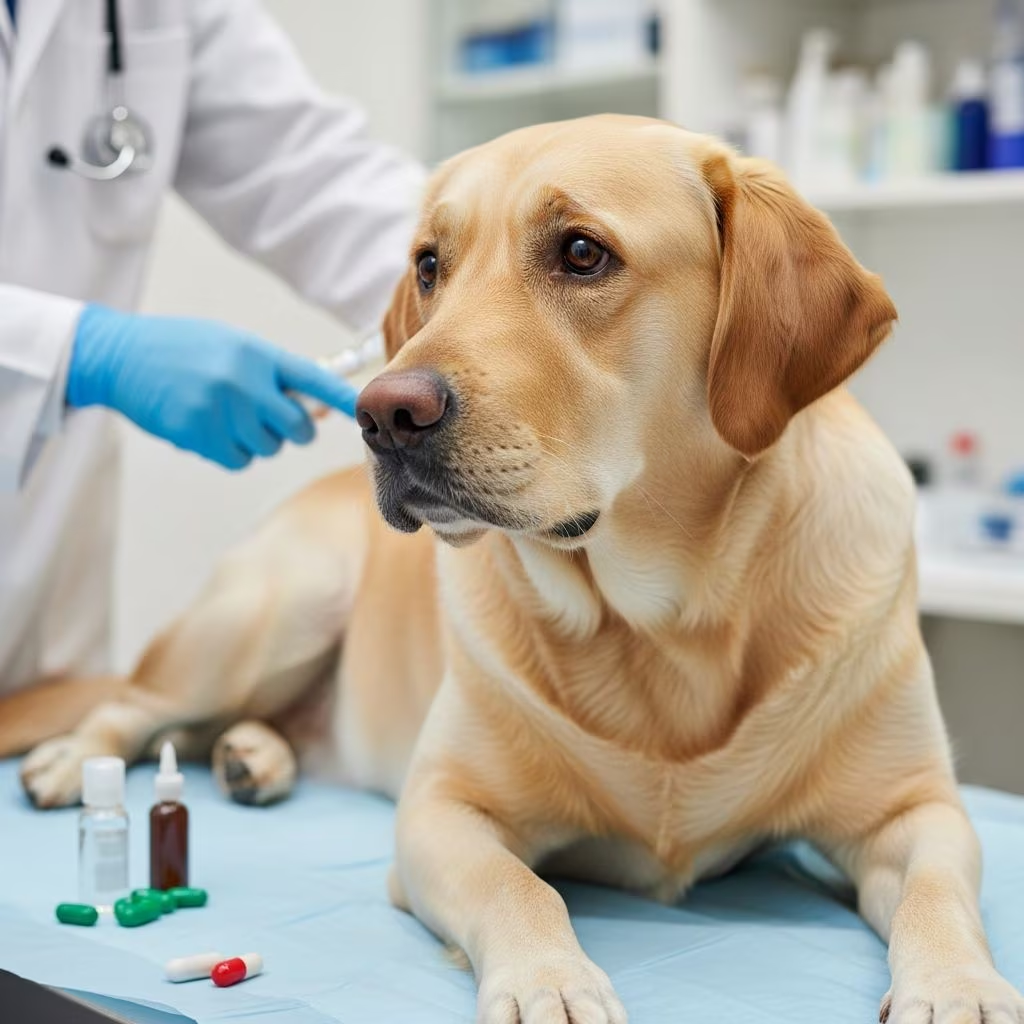
Antibiotics can save dogs’ lives during severe bacterial infections, but their frequent misuse creates widespread problems like resistant bacteria and disrupted health. Overprescription in veterinary care exacerbates these issues, affecting individual pets and public health alike.
Why Antibiotics Are Overprescribed in Canine Care
Veterinarians sometimes prescribe antibiotics for symptoms that mimic bacterial infections, such as urinary issues without confirmed bacteria. Studies indicate up to 40% of pets receive unnecessary antibiotics for presumed urinary tract infections (UTIs), where bacteria shedding occurs without clinical signs like straining or blood in urine. This overprescription mirrors human medicine, where roughly 50% of antibiotic uses prove unnecessary.
Owners often pressure vets for quick fixes, leading to prescriptions without diagnostic tests. As Dr. Jane Sykes from UC Davis notes, many dogs shed bacteria harmlessly, requiring no antibiotics. The American Veterinary Medical Association (AVMA) warns that such misuse fosters resistance, potentially causing shortages and restrictions on vital drugs.
How Antibiotic Resistance Develops in Dogs
Resistance emerges when antibiotics kill susceptible bacteria, allowing hardy survivors to multiply into “superbugs.” Alexander Fleming, penicillin’s discoverer, predicted this in 1945; by 1946, 14% of staphylococcus strains resisted it. In dogs, incomplete courses or low doses leave resilient bacteria, evolving defenses.
Environmental spread amplifies risks. Experiments show chickens fed tetracycline developed multi-resistant E. coli, spreading to farm families despite no direct exposure. Similarly, resistant strains transfer between animals and humans via contaminated meat or contact, heightening infection severity in antibiotic users. Recent veterinary data confirms rising resistance in pets over two decades, limiting treatment options.
| Resistance Example | Impact on Dogs | Source |
|---|---|---|
| Methicillin-resistant Staphylococcus aureus (MRSA) | Harder-to-treat skin infections | |
| Multi-drug resistant E. coli | Complicated UTIs, longer hospital stays | |
| Tetracycline-resistant strains | Spread via environment, affects communities |
Gut Microbiome Disruption: A Silent Threat
Dogs rely on beneficial gut bacteria for digestion, immunity, and pathogen resistance. Antibiotics indiscriminately destroy these “normal flora,” causing diarrhea as a primary symptom. Beyond acute effects, long-term microbiome loss links to chronic issues like allergies, obesity, diabetes, and inflammatory diseases.
Research from New York University suggests some gut flora alterations are permanent, increasing disease susceptibility. Vitamin deficiencies may worsen post-antibiotic, manifesting as skin problems or lethargy, especially on processed diets lacking bioavailable nutrients. The Ohio State University College of Veterinary Medicine highlights how resistance demands costlier, prolonged treatments.
Common and Hidden Side Effects in Dogs
Package inserts list frequent reactions: diarrhea, rashes, joint pain, headaches, behavioral shifts, bone/tooth abnormalities, and organ toxicity (e.g., gentamicin’s ear/kidney damage). Hidden effects, often overlooked, include immune dysregulation potentially leading to cancers or autoimmune conditions.
These underreported reactions prompt further inappropriate treatments, compounding harm. UC Davis reports resistance causes treatment delays, surgical complications, and expensive hospitalizations. Pet owners unknowingly contribute by halting courses early, accelerating resistance.
Zoonotic Risks: From Pets to People
Resistant bacteria jump species, posing human health threats. Contaminated meat or pet contact spreads strains like salmonella, causing severe infections in antibiotic-exposed individuals. AVMA emphasizes that animal misuse endangers humans via zoonotic transmission.
Veterinary outbreaks disrupt hospitals and signal broader crises. Alberta Animal Health Source warns overuse anywhere builds universal resistance. Owners must recognize pets as resistance vectors, advocating judicious use.
Prevention Strategies for Responsible Antibiotic Use
- Use diagnostics first: Insist on cultures or tests like RapidBac Vet to confirm bacterial infections before prescribing.
- Complete full courses: Follow dosage and duration precisely to minimize survivors.
- Explore alternatives: Probiotics, antioxidants, and immune boosters often suffice for mild cases.
- Boost natural defenses: Feed nutrient-rich diets supporting microbiome and vitamins.
- Question prescriptions: Ask vets about non-antibiotic options or underlying causes.
Alternatives to Antibiotics for Common Dog Ailments
For skin issues, UTIs, or wounds, consider holistic supports. Probiotics restore flora; herbs like oregano oil offer antimicrobial effects without resistance risks. Veterinary nutritionists recommend omega-3s and antioxidants for inflammation.
Manuka honey aids wound healing antibacterially. UC Davis urges vigilance, using antibiotics only when indicated. OSU factsheets stress extended care for resistant cases, underscoring prevention.
FAQs on Antibiotics and Dog Health
Can I stop antibiotics early if my dog improves?
No—doing so promotes resistance by sparing resilient bacteria. Always finish the course.
Are antibiotics safe for puppies?
They pose higher risks to developing microbiomes and bones/teeth; use sparingly.
How do I support my dog’s gut after antibiotics?
Administer probiotics, prebiotics, and whole-food diets immediately.
Is antibiotic resistance reversible in dogs?
Not easily; prevention is key as new drugs lag.
Should I worry about human transmission from my dog?
Yes, especially with poor hygiene; wash hands and avoid raw meat.
Steps for Pet Owners to Combat Resistance
Partner with vets for evidence-based care. Vaccinate, maintain hygiene, and choose quality kibble or fresh diets. Track symptoms meticulously to avoid knee-jerk prescriptions. Public education reduces demand, preserving antibiotics for true needs.
The AVMA advocates discussing alternatives, ensuring antibiotics remain effective. By prioritizing diagnostics and natural health, owners safeguard their dogs and communities.
References
- Dangers of Antimicrobial Resistance in Pets — UC Davis School of Veterinary Medicine. 2023. https://www.vetmed.ucdavis.edu/news/dangers-antimicrobial-resistance-pets
- Antimicrobial (Antibiotic) Resistance in Dogs Fact Sheet — Ohio State University College of Veterinary Medicine. 2020-01-23. https://vet.osu.edu/sites/default/files/documents/Antimicrobial%20(Antibiotic)%20Resistance%20in%20Dogs%20Fact%20Sheet%2020200123.pdf
- Understanding the problem of antibiotic resistance — American Veterinary Medical Association (AVMA). 2024. https://www.avma.org/resources/public-health/antibiotic-use-changing-talk-your-veterinarian
- The Hidden Dangers of Unnecessary Antibiotic Prescriptions in Pets — RapidBac Vet / BMC Veterinary Research. 2023. https://www.rapidbacvet.com/the-hidden-dangers-of-unnecessary-antibiotic-prescriptions-in-pets/
- Overuse of antibiotics in pets dangerous for all — Alberta Animal Health Source. 2023. https://albertaanimalhealthsource.ca/overuse-antibiotics-pets-dangerous-all



