

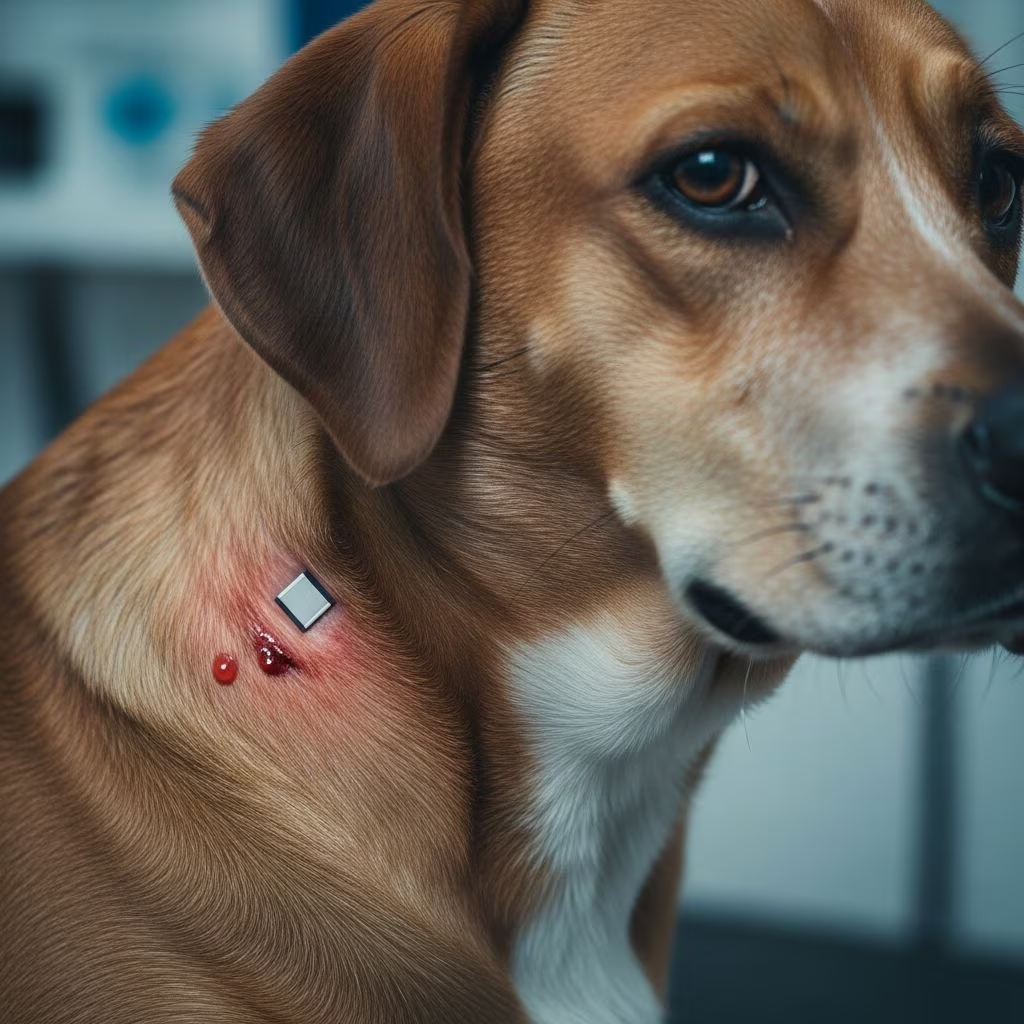
Microchipping provides a reliable way to identify lost dogs, but like any procedure, it involves potential risks. These complications are uncommon, affecting only a small fraction of the millions of implants performed annually, yet awareness helps owners make informed choices and monitor their pets effectively.
Understanding the Microchipping Process
The procedure entails inserting a tiny rice-sized chip under the dog’s skin, typically between the shoulder blades, using a needle similar to a vaccination syringe. This chip holds a unique ID number scanned by shelters and vets to retrieve owner contact details from a database. Performed in seconds without anesthesia, it remains inert and biocompatible for life.
While straightforward, improper technique or individual sensitivities can lead to issues. Over 4 million animals have received chips with just 391 reported adverse reactions, mostly minor nodules.
Common Immediate Reactions After Implantation
Most dogs show no signs of distress post-procedure, but some exhibit mild responses at the site.
- Temporary Swelling or Tenderness: Mild puffiness or sensitivity lasting 24 hours to a few days is typical, resolving without intervention.
- Minor Discomfort: Dogs may scratch or lick the area briefly; a cone collar prevents irritation.
These reactions mimic vaccination aftereffects and signal the body’s adjustment to the foreign object. Monitor for persistence beyond 48 hours.
Rare but Serious Complications
Though infrequent, certain issues warrant vigilance. Veterinary sources emphasize their low occurrence relative to benefits.
Infection Risks
Infection arises if sterile protocols lapse, such as unclean needles or sites. Signs include redness, pus, warmth, or fever. Prompt antibiotics resolve most cases.
Prevention Tips:
- Choose experienced vets using sterile equipment.
- Keep the site dry and clean for 24 hours.
- Avoid baths until healed.
Chip Migration
The device can shift from its shoulder placement to legs, neck, or elsewhere, complicating scans. This happens in rare instances due to movement or improper insertion depth.
| Factor | Risk Level | Prevention |
|---|---|---|
| Active Puppies | Moderate | Limit rough play post-procedure |
| Deep Insertion | Low | Standard technique by trained staff |
| Adult Dogs | Very Low | Routine scanning confirms position |
Allergic Responses
Hypersensitivity to chip materials, though biocompatible like titanium, can cause itching, hives, or chronic inflammation. Extremely rare, these yield to removal and medication.
Bleeding and Hematomas
Excessive bleeding or blood pockets form if vessels are nicked or dogs move abruptly. Apply pressure; severe cases need drainage.
Long-Term Concerns and Myths
Debates persist on enduring effects, but evidence reassures safety.
Tumor Development Fears
Rare sarcomas at implant sites in lab animals fueled concerns, but no causal dog link exists. Millions implanted show no elevated cancer rates; benefits eclipse minimal risk.
Nerve or Spinal Damage
Inappropriate deep placement, especially in tiny breeds, risks spinal injury. Symptoms: limping, weakness, pain. Japan reports highlight training needs for small dogs.
- Limping or reluctance to move
- Sensory loss near site
- Muscle wasting
MRI Compatibility Issues
Strong magnets may heat, move, or damage chips, causing burns or scan artifacts. Always disclose microchipping before imaging.
Behavioral and Practical Drawbacks
Beyond physical risks:
- Chip Failure: Malfunction or unscannable chips occur rarely; registries ensure backups.
- False Security: Chips don’t prevent loss—combine with collars, GPS.
- Behavior Shifts: Rare anxiety or licking from discomfort; monitor closely.
breed and Size Considerations
Small breeds like Chihuahuas face higher migration or injury risks due to thin skin and frames. Puppies’ growing bodies increase movement odds. Tailor decisions to your dog’s profile.
Post-Procedure Care Guidelines
Maximize safety with these steps:
- Inspect site daily for 1 week.
- Use e-collar if licking.
- Schedule follow-up scan.
- Register chip immediately.
- Update database yearly.
Vets recommend anti-inflammatories for swelling; compresses aid healing.
Comparing Risks to Benefits
| Aspect | Pros | Cons |
|---|---|---|
| Frequency | Millions safe annually | <0.01% issues |
| Outcomes | Lost pets reunited | Mostly treatable minors |
| Alternatives | Collars fail often | No perfect ID method |
Data confirms outweighed risks; discuss with vets.
Frequently Asked Questions
Is microchipping painful for dogs?
Comparable to a shot; brief sting, no anesthesia needed.
Can microchips cause cancer?
No proven link in dogs; myths from rodent studies unverified.
How do I check if the chip migrated?
Annual vet scans; feel for pea-sized lump.
What if my dog has an allergic reaction?
Remove chip; meds resolve symptoms quickly.
Is it mandatory?
Some areas require; voluntary elsewhere for safety.
When to Consult a Veterinarian
Seek care for:
- Swelling >48 hours
- Pus, odor, fever
- Lameness or pain
- Lump growth
Early action prevents escalation.
Alternatives to Traditional Microchipping
- GPS collars for real-time tracking
- RFID tattoos
- Bluetooth tags
Hybrid approaches enhance security without implants.
In summary, microchipping safeguards far exceed rare risks when done professionally. Informed owners ensure optimal pet health.
References
- What are the Side Effects of Microchipping in dogs? — Pet Medical. Accessed 2026. https://www.petmedical.com/services/other/blog/what-are-side-effects-microchipping-dogs
- Pros and Cons of Microchipping Dogs — Pets Best Insurance. Accessed 2026. https://www.petsbest.com/blog/pros-and-cons-of-microchipping-dogs
- Dog Microchip Complications — Paoli Vetcare. Accessed 2026. https://www.paolivet.com/health/dog-microchip-complications/
- Dog Microchips: Common Questions and Answers — PetMD. Accessed 2026. https://www.petmd.com/dog/general-health/dog-microchips-common-questions-and-answers
- Debunking Myths: The Real Side Effects of Microchipping Your Dog — Peeva. Accessed 2026. https://peeva.co/blog/side-effects-of-microchipping-a-dog/
- Everything you need to know about microchipping your dog — Johnson Animal Clinic. Accessed 2026. https://www.johnsonanimalclinic.com/services/dogs/blog/everything-you-need-know-about-microchipping-your-dog
- Pet microchipping: What every pet owner should know — Banfield. Accessed 2026. https://www.banfield.com/Services/pet-microchipping
- Preliminary report of spinal cord injuries resulting from inappropriate… — PMC (NCBI). 2023. https://pmc.ncbi.nlm.nih.gov/articles/PMC9887216/



