

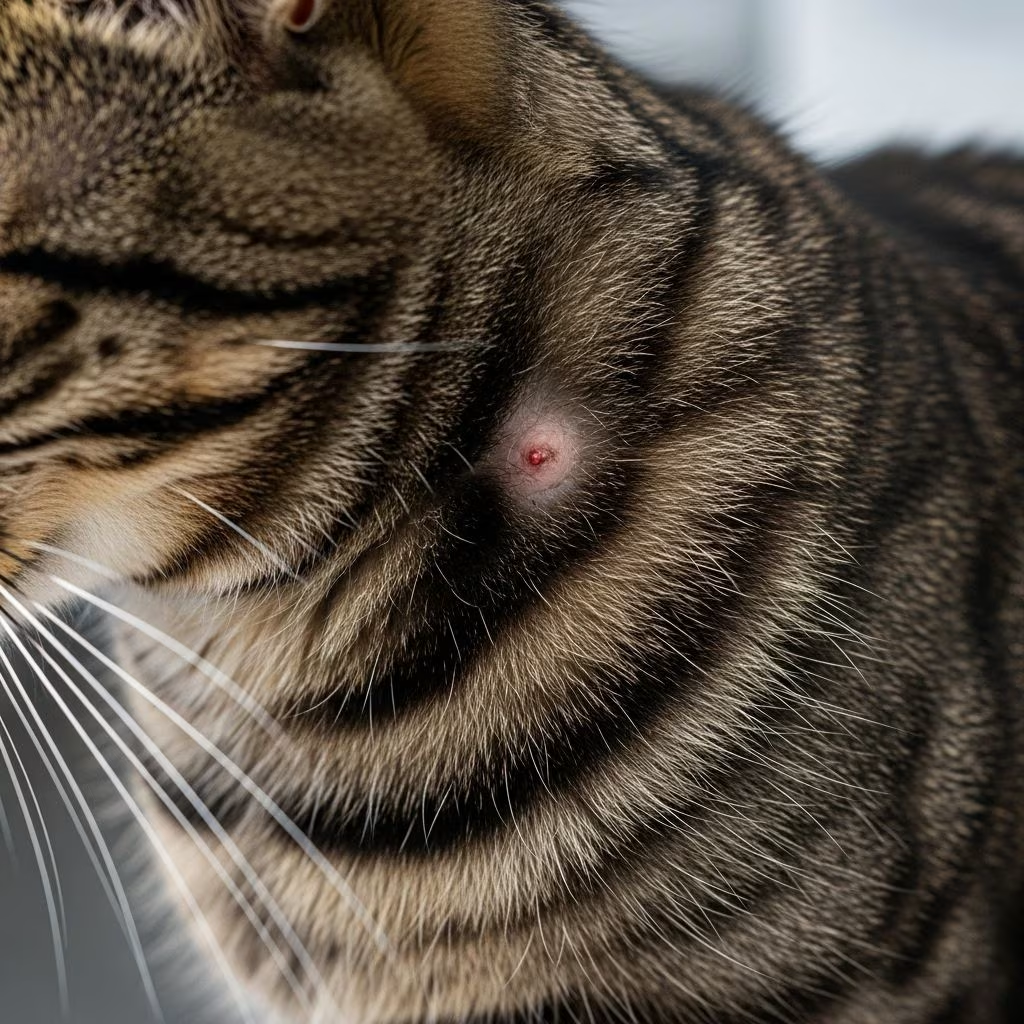
Microchipping provides a permanent identification method for cats, embedding a small electronic device under the skin to store unique ID numbers readable by scanners. While generally safe, potential complications exist, though they affect a tiny fraction of cases among millions of procedures performed worldwide.
What Is Cat Microchipping and Why Do It?
The procedure involves injecting a rice-grain-sized chip between a cat’s shoulder blades using a needle, similar to a vaccination. No anesthesia is needed due to its quick nature, causing discomfort comparable to a blood draw. This technology links to a database with owner contact details, aiding lost pet reunions when collars fail.
Organizations like the British Small Animal Veterinary Association endorse microchipping for its reliability in pet identification, noting benefits far exceed rare issues. Registration in a national database ensures rescuers can contact owners promptly.
Common Potential Complications
Adverse events are infrequent, with migration being the most reported issue, comprising over 50% of problems. Understanding these helps owners monitor post-procedure.
Chip Migration Within the Body
The microchip can shift from its implantation site, often moving down the neck, toward shoulders, or even legs. This rarely causes harm but may complicate scanning if not in the standard location. Vets recommend annual scans during checkups to verify position.
Local Reactions at the Injection Site
Minor tenderness or slight swelling occurs shortly after insertion, resolving quickly without intervention. Rarer responses include inflammation, hematoma formation, pus, oozing, redness, or drainage, each representing about 6% of reported issues. These typically appear within days to weeks and warrant veterinary attention if persistent.
Rare but Serious Placement Errors
Improper insertion by untrained individuals heightens risks. Chips placed too shallow may extrude through the skin in the first few days. More critically, erroneous placement near the spinal cord has led to paresis, pain, swelling, mobility issues, or paralysis in isolated cases, particularly in lightweight cats.
A peer-reviewed study documents spinal cord injuries from such misplacements, emphasizing training’s role. Two cat cases showed acute paresis post-implantation, linked to directional errors toward the spine. Veterinary professionals mitigate this through standardized techniques.
| Placement Error | Potential Outcome | Frequency |
|---|---|---|
| Too shallow | Chip extrusion | Uncommon |
| Near spinal cord | Paresis or paralysis | Extremely rare |
| Incorrect depth | Scanning failure | Rare |
Device Malfunctions and Failures
Chips or scanners can fail, accounting for 28% of adverse reports. Pre-implantation testing by vets ensures functionality, but intermittent issues may arise later. Routine vet visits allow verification; lost chips represent a small subset of problems.
Addressing Cancer Concerns
Claims of tumor development at implantation sites stem from four reported cases in dogs and cats, but no proven causal link exists. International Cat Care notes these as exceptionally rare, with vaccinations sometimes in the same area confounding factors. Research shows no clear association between microchips and cancer in pets.
Veterinary consensus holds that risks are negligible compared to identification benefits.
Procedure Safety and Pain Management
Insertion mimics a vaccination pinch, with no need for anesthetics. Clinics use sterile applicators to minimize infection risks. Post-procedure, monitor for excessive scratching or distress, though cats rarely react negatively. Costs remain affordable due to simplicity.
Who Should Perform Microchipping?
Always choose licensed veterinarians or certified technicians. Regulations vary by region, but professional training prevents errors like those in owner-performed cases. Shelters and clinics follow protocols ensuring correct depth and location.
- Verify provider credentials.
- Confirm chip testing pre-insertion.
- Register immediately in a database.
Post-Microchipping Care Guidelines
Observe the site for 1-2 weeks. Normal signs include brief tenderness; contact a vet for prolonged swelling, discharge, or behavioral changes. Update registry details if moving or changing numbers to maintain effectiveness.
Combine with collars for layered identification, as not all facilities scan routinely.
Benefits Versus Risks: A Balanced View
Millions of cats benefit from microchipping, with complications in a minuscule percentage. Migration and minor reactions dominate reports, while severe events like spinal injury are outliers tied to technique flaws. Experts affirm safety, urging owners to weigh reunion potential against low risks.
Frequently Asked Questions
Does microchipping hurt my cat?
It causes momentary discomfort like a shot, no anesthesia required.
Can the chip cause cancer?
No definitive link; reports are extremely rare and unproven.
What if the chip moves?
It’s usually harmless; vets can relocate or confirm via scan.
How do I check if it’s working?
Request a scan at vet visits.
Is it mandatory?
Varies by location; recommended for all pets.
Alternatives to Microchipping
Collars with tags offer immediate visibility but can be lost. GPS trackers provide real-time location but require batteries and subscriptions. Microchips serve as a reliable backup, enduring a cat’s lifetime.
References
- Everything You Should Know About Microchipping Cats — Belton Vet Clinic. Accessed 2026. https://www.beltonvetclinic.com/services/cats/cat-microchip
- 5 Side Effects of Microchipping Your Cat — Catster. Accessed 2026. https://www.catster.com/cat-health-care/side-effects-of-microchipping-your-cat/
- What are Cat Microchip Side Effects? — San Marco Animal Hospital. Accessed 2026. https://sanmarcovet.com/blog/what-are-cat-microchip-side-effects-jacksonville-fl/
- Are there any risks or side effects associated with cat microchipping? — GeniusVets. Accessed 2026. https://www.geniusvets.com/pet-care/learn/cats/cat-microchipping/are-there-any-risks-or-side-effects-associated-cat
- Preliminary report of spinal cord injuries resulting from inappropriate microchip implantation — PMC (Peer-reviewed). 2023-02-10. https://pmc.ncbi.nlm.nih.gov/articles/PMC9887216/
- Microchipping Cats: Pros and Cons — Ponderosa Veterinary Clinic. Accessed 2026. https://ponderosavetclinic.com/microchipping-cats-pros-and-cons/
- Microchipping Adverse Reactions — BSAVA. Accessed 2026. https://www.bsava.com/resources/veterinary-resources/microchipping-advice/microchipping-adverse-reactions/



