

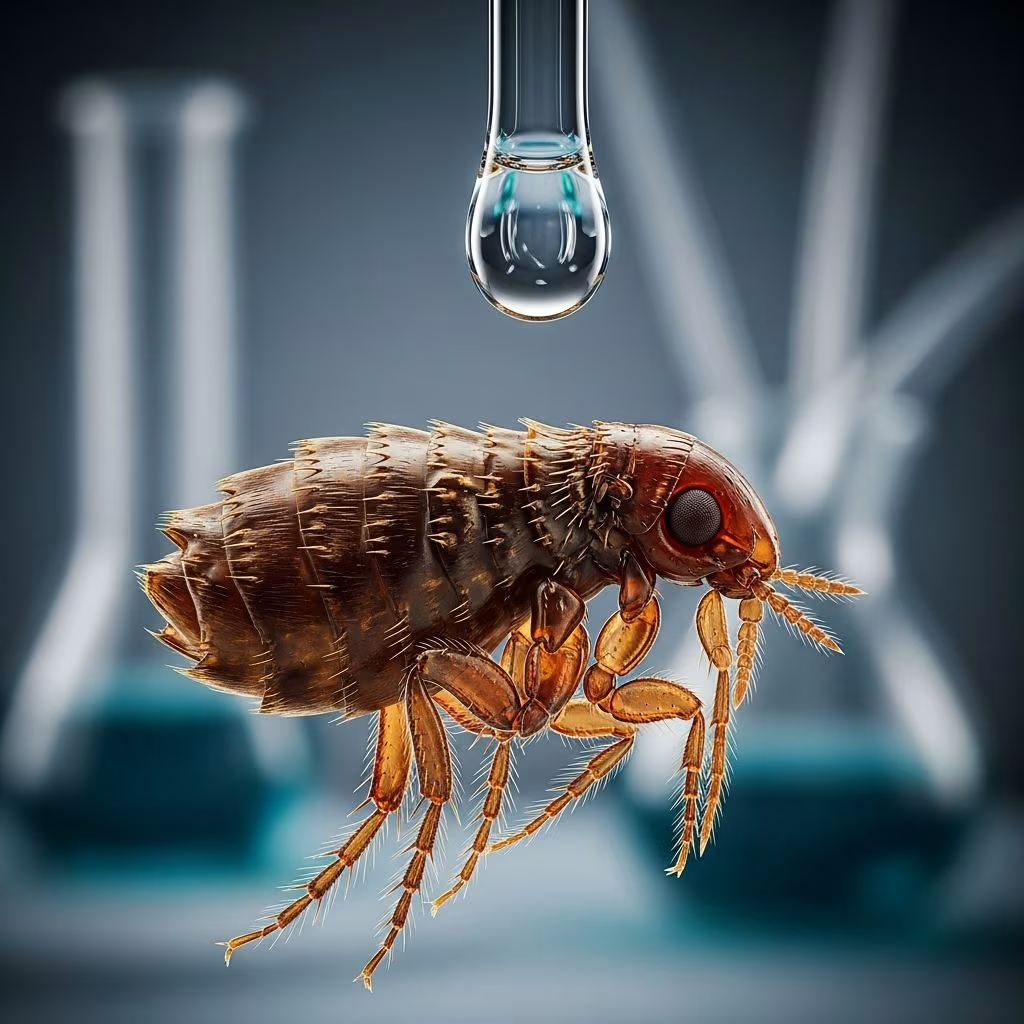
Flea and tick products are essential for protecting pets from parasites, but they carry risks of adverse reactions ranging from mild skin irritation to life-threatening neurological events. These treatments, particularly isoxazoline-based ones like Bravecto, Nexgard, and Simparica, have been linked to symptoms such as tremors, seizures, and ataxia in dogs and cats.
Understanding Common Flea and Tick Products
Modern flea preventatives include oral chewables, spot-on liquids, collars, and shampoos. Oral isoxazolines target fleas, ticks, and mites by disrupting their nervous systems, while topical spot-ons like those with fipronil or permethrin spread across the skin. Despite their effectiveness, these chemicals can affect pets unpredictably, especially vulnerable groups like puppies, seniors, or those with MDR1 gene mutations.
Veterinarians report skin issues as the most frequent in dogs, followed by neurological and gastrointestinal problems. In cats, nervous system effects top the list, with death ranking fourth in some surveys due to misuse like applying dog products.
Categories of Adverse Reactions
Reactions vary by product type and pet sensitivity. Spot-on treatments often cause localized issues, while oral medications pose systemic risks.
Skin and Localized Reactions
The most common complaints involve the application site. Pets may develop redness, itching, hair loss, or sores. Excessive grooming can lead to ingestion, worsening symptoms.
- Redness and irritation: Appears shortly after application, especially in small breeds or cats.
- Hair loss or scabs: Indicates allergic contact dermatitis from ingredients like permethrin.
- Over-grooming: Leads to secondary ingestion and drooling.
Gastrointestinal Distress
Vomiting, diarrhea, and loss of appetite occur if pets lick treated areas or overdose. Inappetence and drooling signal ingestion of bitter residues.
Neurological and Behavioral Changes
Isoxazolines are flagged by the FDA for causing muscle tremors, disorientation, seizures, and unsteady gait. These can onset immediately or after repeated doses, affecting even healthy pets.
| Symptom | Product Type | Pet Most Affected | Severity |
|---|---|---|---|
| Tremors/Seizures | Isoxazolines (oral) | Dogs, Cats | High |
| Ataxia (wobbling) | Isoxazolines, Pyrethroids | Dogs | Medium-High |
| Aggression/Personality shifts | Oral preventatives | Dogs | Medium |
| Urinary incontinence | Neurological class | Dogs/Cats | High |
Severe and Organ-Related Issues
Rare but critical effects include liver/kidney failure, clotting disorders, internal bleeding, and death. Cats face heightened risks from permethrin-containing dog products.
Factors Increasing Reaction Risks
Not all pets react equally. Key vulnerabilities include:
- Age and size: Puppies, kittens, small breeds, and seniors process chemicals slower.
- Health conditions: Immune-compromised or chronically ill pets are prone.
- Genetic factors: MDR1 mutation common in herding breeds heightens toxicity.
- Misuse: Wrong dosage, species mismatch (dog product on cat), or transfer via grooming.
Surveys show half of cat reactions stem from dog-specific products.
Recognizing Early Warning Signs
Monitor for 15 minutes to 48 hours post-application. Mild signs like restlessness, paw flicking, or ear twitching may resolve, but escalation demands action.
- Mild: Slight drooling, low energy, minor itching.
- Moderate: Vomiting, diarrhea, sensitivity to touch.
- Severe: Seizures, collapse, breathing issues—seek emergency care.
Immediate Response Protocols
If reactions occur:
- Remove source: Cut off collars; wash spot-ons with mild soap (avoid inducing vomiting unless vet-approved).
- Contact pros: Call vet, ASPCA Poison Control (888-426-4435), or Pet Poison Helpline (855-764-7661).
- Emergency vet: For neurological signs, tremors, or seizures—bring product packaging.
- Report: Notify EPA or manufacturer for tracking.
Prognosis improves with early intervention; mild cases resolve in days, but neurological damage may persist.
Long-Term Consequences and Recovery
Some pets recover fully, others face lifelong seizures or organ issues. Affected animals should avoid chemicals, opting for titers over routine vaccines and natural diets.
Neurologic cases carry poor prognosis if kidneys or temperature elevate.
Safer Alternatives and Prevention Strategies
Minimize risks with:
- Vet consultation: Tailor products to pet profile.
- Natural options: Essential oils (diluted), diatomaceous earth, frequent baths—test small areas.
- Environmental control: Vacuum daily, wash bedding, treat yard.
- Dose precisely: Weigh pet accurately; never share products.
FAQs on Flea Treatment Safety
Can flea products cause seizures in healthy dogs?
Yes, isoxazolines are linked to seizures, tremors, and ataxia per FDA alerts, even in healthy pets.
What if my cat licked a dog flea spot-on?
This misuse causes severe neurotoxicity; rush to vet as permethrin is deadly for cats.
How long do side effects last?
Mild ones fade in days; severe neurological effects may be permanent.
Are oral flea chews safer than topicals?
No, both carry risks; orals can’t be easily removed post-ingestion.
Should I stop all flea products?
Weigh risks vs. parasite threats with your vet; safer options exist.
Key Takeaways for Pet Owners
While effective, flea treatments demand vigilance. Choose vet-recommended products, watch closely post-use, and act fast on symptoms. Natural methods and habitat management reduce reliance on chemicals.
References
- Side Effects from Common Flea and Tick Products — Dr. Judy Morgan. Accessed 2026. https://drjudymorgan.com/blogs/blog/side-effects-from-common-flea-and-tick-products
- Dermatology 101: Spot-on Flea and Tick Products and Potential Adverse Reactions — Bethel Pet Hospital. Accessed 2026. https://www.bethelpethospital.com/blog/dermatology-101-spot-on-flea-and-tick-products-and-potential-adverse-reactions
- Flea and Tick Medicine Poisoning in Dogs — PetMD. Accessed 2026. https://www.petmd.com/dog/poisons/flea-and-tick-medicine-poisoning-in-dogs
- A survey for small animal veterinarians regarding flea and tick control pesticide products — PMC (National Library of Medicine). 2011-08-15. https://pmc.ncbi.nlm.nih.gov/articles/PMC3174502/
- Fact Sheet for Pet Owners and Veterinarians about Potential Adverse Events Associated with Isoxazoline Flea and Tick Products — FDA. Accessed 2026. https://www.fda.gov/animal-veterinary/animal-health-literacy/fact-sheet-pet-owners-and-veterinarians-about-potential-adverse-events-associated-isoxazoline-flea
- Dog Poisoning from Flea Medicine: Emergency Signs & How to Act — GSVS. Accessed 2026. https://gsvs.org/blog/dog-poisoning-flea-medicine-emergency-signs/
- What to Do if Your Pet has an Adverse Reaction to a Flea and Tick Product — EPA. Accessed 2026. https://www.epa.gov/pets/what-do-if-your-pet-has-adverse-reaction-flea-and-tick-product
- Safe use of flea and tick preventive products — AVMA. Accessed 2026. https://www.avma.org/resources-tools/pet-owners/petcare/safe-use-flea-and-tick-preventive-products



