

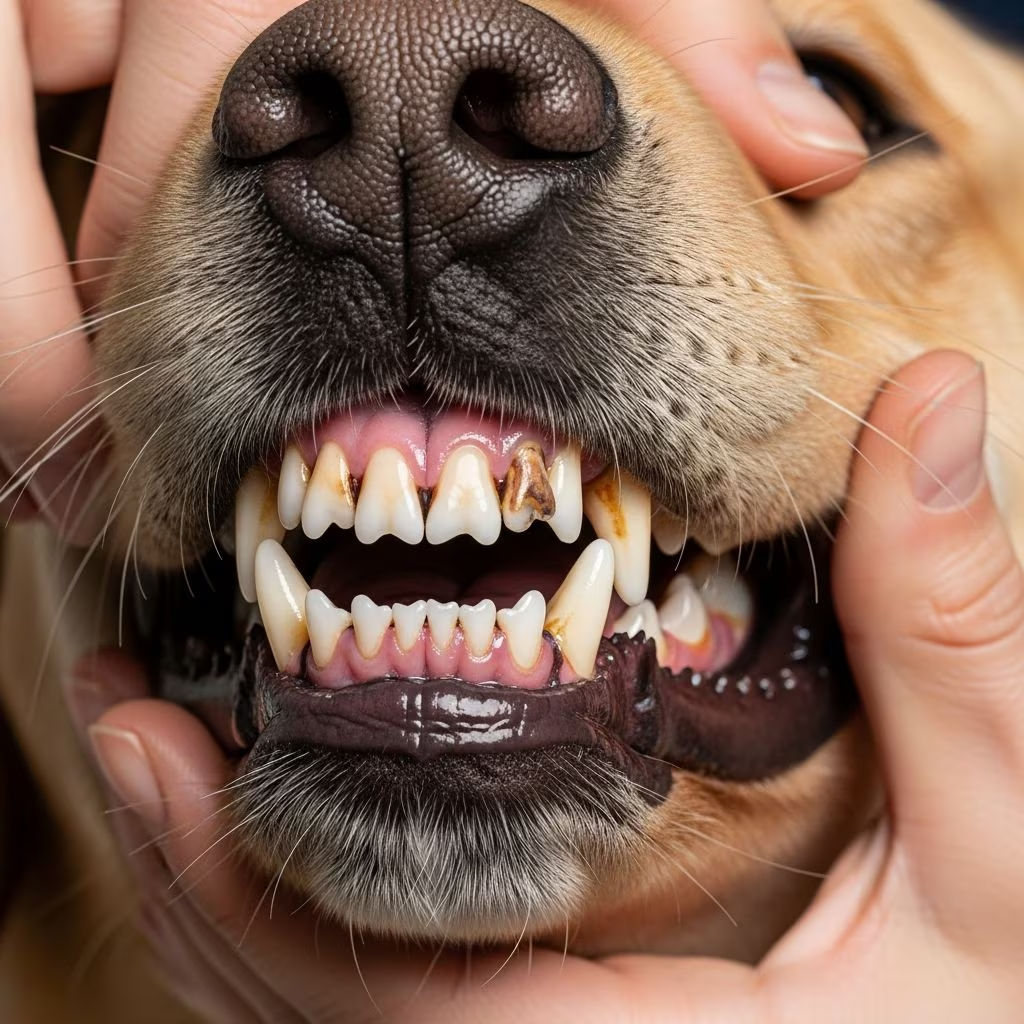
Excess plaque accumulation on a dog’s teeth initiates a cascade of oral health problems that extend far beyond bad breath, potentially compromising the pet’s entire well-being. This bacterial biofilm, if unchecked, evolves into tartar, triggers inflammation, and facilitates infections that can spread systemically.
Understanding Plaque Formation and Its Progression
Plaque consists of a sticky layer of bacteria, saliva, and food debris that adheres to tooth surfaces shortly after eating. In dogs, this invisible film forms continuously above and below the gumline, multiplying rapidly if not disrupted. Within days, minerals in saliva can harden plaque into calculus or tartar, a rough deposit that harbors more bacteria and resists home removal.
The progression unfolds in stages: initial gingivitis from gum irritation, advancing to periodontitis where pockets form between teeth and gums, eroding supporting bone and ligaments. By age three, over 80% of dogs exhibit some periodontal involvement, underscoring the prevalence. Small breeds face heightened vulnerability due to crowded teeth and jaw structure, accelerating buildup.
Visible and Hidden Signs of Plaque Overload
Dog owners often overlook early plaque issues since symptoms mimic normal aging. Key indicators include:
- Persistent foul breath from bacterial volatile compounds
- Excessive drooling or pawing at the mouth
- Red, swollen, or bleeding gums during play or eating
- Visible yellow-brown tartar on teeth, especially rear molars
- Reluctance to chew hard foods or toys, dropping kibble
- Loose teeth or facial swelling in advanced cases
Subtler signs like weight loss from painful eating or behavioral changes warrant immediate vet attention. Routine exams under anesthesia reveal subsurface damage invisible to the naked eye.
Local Oral Damage from Uncontrolled Plaque
Plaque’s direct assault begins with gingival inflammation, progressing to tissue destruction. Bacteria invade periodontal pockets, releasing toxins that break down collagen and bone. This leads to:
| Stage | Effects | Consequences |
|---|---|---|
| Early (Gingivitis) | Gum redness and bleeding | Reversible with cleaning |
| Moderate (Periodontitis) | Pocket formation, bone loss | Tooth mobility, pain |
| Advanced | Root exposure, jaw weakening | Tooth loss, fractures |
Chronic pain alters eating habits, nutrition absorption, and quality of life, often silently endured by stoic dogs.
Systemic Health Threats Linked to Dental Plaque
Bacteria from plaque-laden mouths enter the bloodstream via inflamed gums, a process called bacteremia, seeding distant organs. The heart is particularly susceptible, with periodontal disease elevating endocarditis risk sixfold in moderate-to-severe cases.
Liver and kidney inflammation follows as immune responses rage against invaders, exacerbating preexisting conditions. World Small Animal Veterinary Association data links advanced dental issues to cardiopulmonary diseases, emphasizing plaque’s role beyond the mouth. Hypothermia and hypotension during anesthesia for dental procedures compound risks in untreated dogs.
Factors Influencing Plaque Buildup in Dogs
Breed predispositions amplify risks: toy and small dogs like Chihuahuas and Dachshunds suffer crowded dentition, while larger breeds may neglect chewing. Diets heavy in soft foods promote plaque over abrasive kibble. Age advances susceptibility, with seniors showing rapid deterioration without intervention. Genetic factors and dry mouth from medications further hinder natural cleansing.
Effective Strategies for Plaque Prevention at Home
Proactive care minimizes professional interventions. Core methods include:
- Daily Brushing: Use pet-formulated enzymatic toothpaste on a soft finger brush or dual-ended dog toothbrush, targeting outer surfaces for 30 seconds per side. Introduce gradually with treats.
- Dental Chews and Toys: Veterinary Oral Health Council (VOHC)-approved products mechanically scrape plaque; rotate flavors to maintain interest.
- Water Additives and Rinses: Chlorhexidine-based solutions reduce bacterial load when added to drinking water.
- Dental Diets: Specialized kibble with fiber matrices scrubs teeth during mastication.
Consistency yields results: brushing three times weekly halves tartar accumulation per studies.
Professional Interventions for Established Plaque
Annual veterinary dental cleanings under general anesthesia scale tartar supragingivally and subgingivally, probe pockets, and extract irreparable teeth. Pre-op bloodwork assesses anesthesia safety, vital for cardiac-risk pets. Frequency tailors to individual needs: high-risk dogs require biannual procedures.
Post-cleaning, radiographs detect hidden abscesses or bone loss, guiding extractions to halt progression.
Comparing Home vs. Professional Dental Care
| Method | Pros | Cons | Best For |
|---|---|---|---|
| Home Brushing/Chews | Cost-effective, non-invasive, daily control | Limited to surface plaque | Prevention, maintenance |
| Pro Cleanings | Removes tartar fully, diagnostics | Anesthesia risks, expense | Treatment of disease |
Long-Term Benefits of Plaque Management
Dogs with controlled plaque enjoy extended lifespans, reduced pain, and lower systemic disease odds. Healthier mouths support nutrition, play, and grooming behaviors, enhancing companionship. Early intervention preserves teeth, averting costly extras.
Frequently Asked Questions
Can plaque cause my dog heart problems?
Yes, bacteria from plaque enter the blood, inflaming heart valves and raising endocarditis risk significantly.
How often should I brush my dog’s teeth?
Aim for daily or at least 3-4 times weekly using pet-safe products for optimal results.
Is bad breath always from plaque?
Often yes, but it signals underlying issues; consult a vet for confirmation.
Do all dogs need professional dental cleanings?
Most benefit annually, especially those over 3 years or with tartar.
Are dental chews safe for puppies?
VOHC-approved ones are, but size-match and supervise to prevent choking.
Building a Dental Care Routine
Integrate oral hygiene into daily rituals: brush post-meal, offer chews mid-day, and schedule vet checkups biannually. Monitor for changes and adjust based on vet advice. Educating families fosters compliance, yielding pain-free, vibrant dogs.
References
- Periodontal disease | Cornell University College of Veterinary Medicine — Cornell University. 2023. https://www.vet.cornell.edu/departments-centers-and-institutes/riney-canine-health-center/health-topics/canine-health-information/periodontal-disease
- 5 Scary Consequences of Neglecting Your Dog’s Teeth — PetMD. 2023. https://www.petmd.com/dog/general-health/5-scary-consequences-neglecting-your-dogs-teeth
- The Serious Health Risks of Untreated Pet Dental Disease — Houston Pet Dentals. 2024. https://houstonpetdentals.com/blog/untreated-pet-dental-disease/
- Common Dental Problems in Dogs — Mahopac Vets. 2023-02-28. https://www.mahopacvet.com/site/blog/2023/02/28/common-dental-problems-dogs
- Plaque and Calculus in Dogs and Cats — Animal Dental Specialists. 2023. https://animaldentalspecialists.com/plaque-and-calculus-in-dogs-and-cats/
- Risks of Poor Dental Care — Pet Vet Roanoke. 2023. https://www.petvetroanoke.com/blog/risks-of-poor-dental-care
- The Hidden Dangers Of Poor Dental Health For Pets — Holistic Pet Care NJ. 2023. https://holisticpetcarenj.com/blog/the-hidden-dangers-of-poor-dental-health-for-pets



