

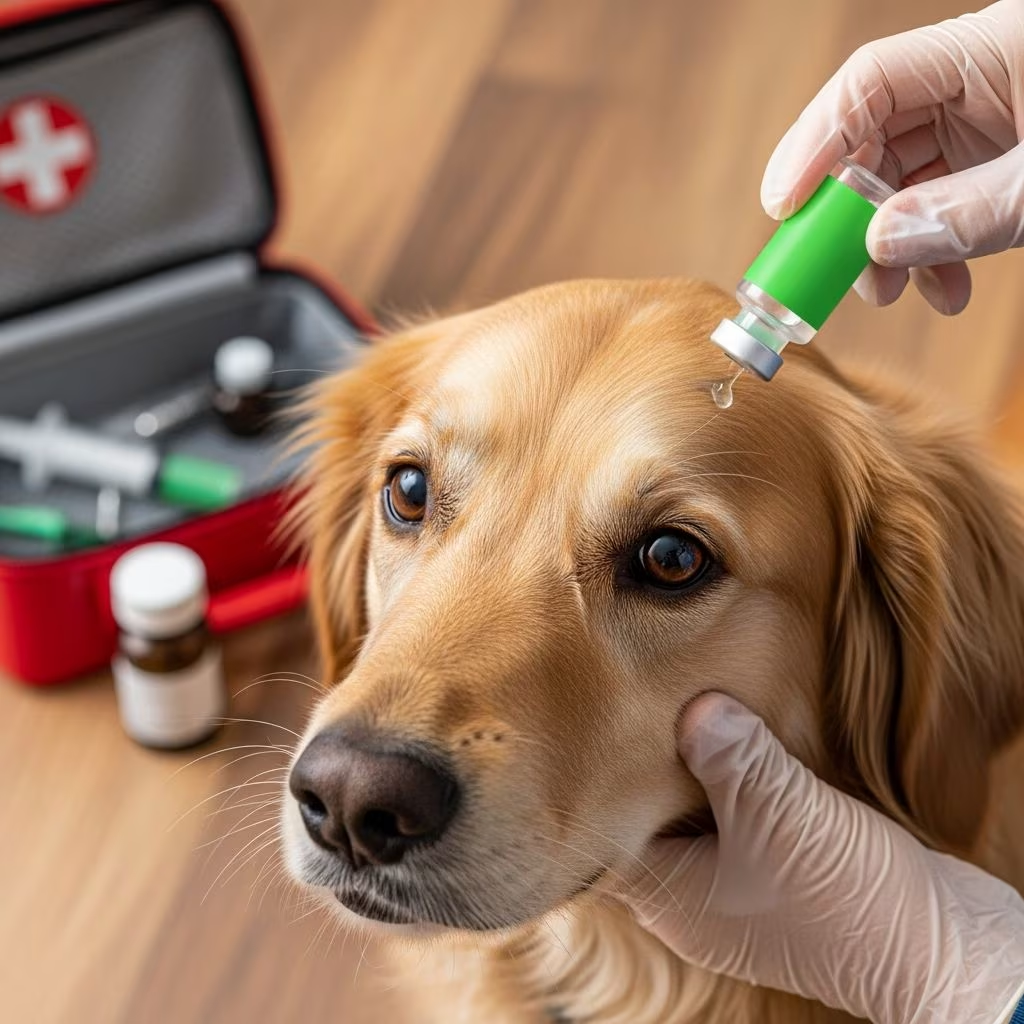
Flea and tick control products are essential for protecting dogs and cats from parasites that spread diseases, but they carry significant risks of adverse reactions ranging from mild irritation to life-threatening conditions. Understanding these dangers empowers pet owners to make informed choices.
Understanding Flea and Tick Products and Their Active Ingredients
Modern flea preventives often contain isoxazolines such as fluralaner (Bravecto), afoxolaner (NexGard), sarolaner (Simparica), and lotilaner (Credelio), which target the nervous systems of parasites. These oral and topical treatments have surged in popularity due to convenience, yet reports of severe side effects have also increased.
Spot-on treatments, collars, sprays, and shampoos frequently use pesticides like permethrins, fipronil, or imidacloprid. While effective, misuse—such as applying dog products to cats—amplifies toxicity risks.
Common Neurological Side Effects in Dogs and Cats
Neurological reactions top the list of concerns, particularly with isoxazoline-class drugs. Pets may exhibit muscle tremors, ataxia (loss of coordination), seizures, disorientation, and unsteady gait shortly after administration or even weeks later.
- Muscle tremors and twitching: Often starts with ear or paw flicking, progressing to full-body shakes.
- Seizures: Reported in thousands of cases, sometimes leading to permanent epilepsy.
- Ataxia and wobbling: Pets appear drunk, stumbling or circling aimlessly.
- Behavioral changes: Sudden aggression, hypersensitivity to touch, or unusual vocalizations.
The FDA notes these events occur in a small percentage of pets but urges vigilance, as young, elderly, or genetically predisposed animals (e.g., MDR1 mutation carriers) face higher risks.
Skin and Gastrointestinal Reactions
Skin issues are the most frequently observed adverse effects, especially with topical spot-ons. Veterinarians report redness, irritation, hair loss, and itching at application sites.
Gastrointestinal upset includes vomiting, diarrhea, drooling, and loss of appetite. In cats, these symptoms often follow permethrin exposure from dog products.
| Symptom Category | Dogs (Most Common) | Cats (Most Common) |
|---|---|---|
| Skin Effects | Irritation, redness, alopecia | Skin reactions, hives |
| Neuromuscular | Tremors, ataxia | Muscle tremors, death |
| Gastrointestinal | Vomiting, diarrhea | Vomiting, hypersalivation |
Severe and Potentially Fatal Outcomes
Beyond mild symptoms, some pets suffer organ failure, clotting disorders, internal bleeding, or dry eye. Surveys indicate death ranks high among cat reactions, often linked to product misuse.
Reports highlight massive adverse event numbers: Simparica (140,646 reports, 6,717 deaths), NexGard (140,600 reports, 6,000 deaths), Bravecto (43,620 reports, 1,533 deaths), Comfortis (162,354 reports, 4,816 deaths), and Credelio (3,302 reports, 95 deaths). Underreporting likely inflates true figures.
Factors Increasing Risk of Adverse Reactions
Not all pets react equally. Key risk factors include:
- Species mismatch: Dog permethrin products are highly toxic to cats, causing tremors, seizures, and death.
- Dosage errors: Using products for wrong weight or age groups.
- Transfer between pets: Grooming spreads topicals.
- Pre-existing conditions: Immune-compromised, epileptic, or MDR1-positive pets.
- Multiple medications: Interactions exacerbate effects.
Over-the-counter products pose higher risks due to improper use compared to vet-dispensed ones.
Recognizing Symptoms Early: What to Watch For
Reactions can appear within minutes to months. Monitor for:
- Restlessness, rolling, or biting at application site.
- Depression, lethargy, or fever.
- Respiratory distress or hives in severe cases.
AVMA advises watching for anxiousness, excessive scratching, or redness post-application.
Immediate Steps if Your Pet Shows Signs of Toxicity
Act fast: Remove collars immediately. For ingested products, rush to a vet within an hour for decontamination. Induce vomiting only under vet guidance.
Treatments may include activated charcoal, IV fluids, anti-seizure meds, or supportive care. Mild cases like drooling often resolve in days, but neurological damage can be lifelong.
Long-Term Consequences and Recovery Outlook
Some pets fully recover, but others face chronic seizures, personality shifts, or organ issues. Early intervention improves prognosis, though severe neurologic cases carry poor outlooks.
Potential links to lymphoma or immune dysregulation from blood-brain barrier crossing warrant caution for long-term use.
Safer Alternatives to Chemical Flea Controls
Consider integrated pest management:
- Natural repellents: Neem oil, coconut oil, witch hazel sprays.
- Environmental control: Vacuum daily, wash bedding, yard treatments.
- Diatomaceous earth or beneficial nematodes for yards.
- Vet-recommended options: Spinosad (safer for some) or prescription essentials.
- Regular baths: With flea combs to remove adults.
Consult vets for breed-specific testing (e.g., MDR1) before any preventive.
Best Practices for Safe Flea Prevention
- Follow labels precisely: Dose by weight, species, age.
- Use vet channels for products.
- Avoid multi-pet households mixing treatments.
- Monitor 48-72 hours post-dose.
- Report reactions to FDA or manufacturer.
Frequently Asked Questions (FAQs)
Are isoxazoline products safe for all dogs?
Generally yes per FDA, but avoid in seizure-prone dogs. Monitor closely.
Can cats use dog flea products?
No—permethrins are lethal to cats. Always check labels.
How common are flea product reactions?
Rare but rising; surveys show vets observe them frequently, especially topicals.
What if symptoms appear weeks later?
Still possible; discontinue and see vet immediately.
Are natural alternatives effective?
Yes for low-infestation; combine with hygiene for best results.
References
- Side Effects from Common Flea and Tick Products — Dr. Judy Morgan. Accessed 2026. https://drjudymorgan.com/blogs/blog/side-effects-from-common-flea-and-tick-products
- A survey for small animal veterinarians regarding flea and tick control pesticide products — PMC (PubMed Central). 2011-08-15. https://pmc.ncbi.nlm.nih.gov/articles/PMC3174502/
- Fact Sheet for Pet Owners and Veterinarians about Potential Adverse Events Associated with Isoxazoline Flea and Tick Products — FDA (U.S. Food and Drug Administration). 2023-07-14. https://www.fda.gov/animal-veterinary/animal-health-literacy/fact-sheet-pet-owners-and-veterinarians-about-potential-adverse-events-associated-isoxazoline-flea
- What to Do if Your Pet has an Adverse Reaction to a Flea and Tick Product — EPA (U.S. Environmental Protection Agency). 2023-05-10. https://www.epa.gov/pets/what-do-if-your-pet-has-adverse-reaction-flea-and-tick-product
- Flea and Tick Medicine Poisoning in Dogs — PetMD. 2024-02-20. https://www.petmd.com/dog/poisons/flea-and-tick-medicine-poisoning-in-dogs
- WARNING: 5 Flea & Tick Products with Alarming Side Effects — YouTube (Dr. Andrew Jones). 2023-10-12. https://www.youtube.com/watch?v=vcotKdLlh4A
- Safe use of flea and tick preventive products — AVMA (American Veterinary Medical Association). 2024-05-01. https://www.avma.org/resources-tools/pet-owners/petcare/safe-use-flea-and-tick-preventive-products



