

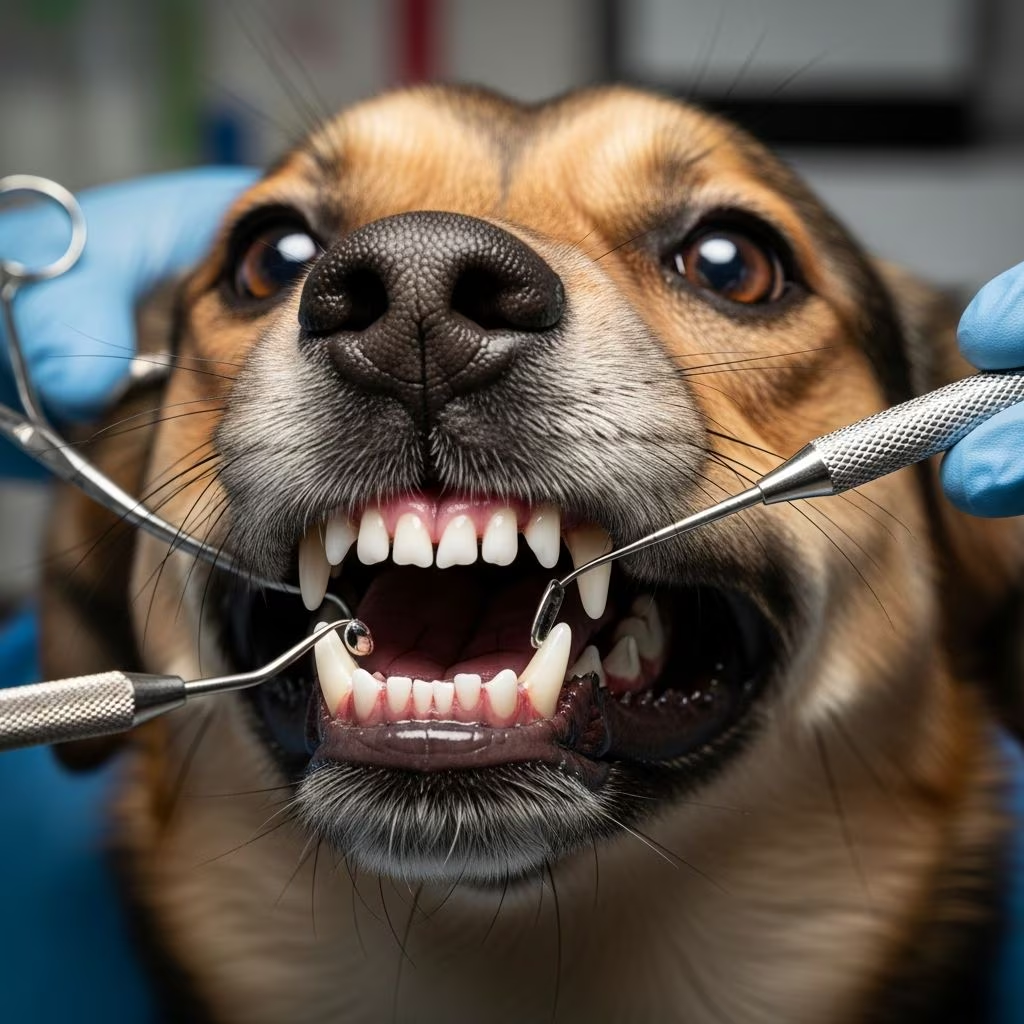
Understanding Anesthesia-Free Dental Procedures
Anesthesia-free dentistry has become increasingly common at pet stores, grooming facilities, and various veterinary practices, often promoted as a safer, more affordable alternative to traditional veterinary dental cleanings. However, this practice carries substantial risks that pet owners and veterinary professionals should understand thoroughly. Unlike professional dental cleanings performed under anesthesia by licensed veterinarians, anesthesia-free procedures involve scaling and scraping tartar from the teeth of awake, conscious animals. While the appeal of avoiding anesthesia is understandable given the concerns many pet owners have about general anesthesia, the reality is that anesthesia-free dental procedures present multiple serious health risks that far outweigh their perceived benefits.
Physical Trauma and Injury Risks
One of the most significant dangers of anesthesia-free dental procedures involves the inherent risk of physical injury to your pet’s oral tissues. Scaling teeth involves placing sharp instruments inside the mouth to remove tartar buildup. In anesthesia-free dentistry, pets must be physically restrained for extended periods to allow scaling of the teeth. Depending on the individual pet’s temperament and tolerance, high levels of restraint may be required, which can be extremely stressful for the animal.
During the procedure, even minimal head movement by the pet can lead to serious injury to the oral tissues. If a pet wiggles, flinches, or moves suddenly during anesthesia-free dentistry, they may be injured by the sharp dental instruments, which can cause lacerations to the gums, tongue, or oral mucosa, resulting in further stress and pain. These injuries can be particularly severe because the pet is conscious and may react defensively to pain, potentially causing additional damage.
In contrast, veterinarians anesthetize pets before dental procedures, which allows them to safely use sharp instruments without requiring prolonged physical restraint and with minimal risk of injury. The anesthetized pet remains still and compliant, allowing the veterinarian to work precisely and safely throughout the procedure.
Aspiration Pneumonia Risk
Another critical danger associated with anesthesia-free dental procedures is the increased risk of aspiration pneumonia. During professional dental cleanings under anesthesia, a cuffed, inflated endotracheal tube is placed in the pet’s airway to protect the lungs from debris, fluid, and bacterial contamination. This protective measure is essential when using ultrasonic scalers and other dental instruments that generate spray and debris.
In anesthesia-free procedures, this critical airway protection is absent. Without the endotracheal tube, debris from the scaling process, saliva, and bacteria can be aspirated (inhaled) into the lungs, creating a substantial risk for aspiration pneumonia—a serious and potentially life-threatening respiratory infection. This complication can develop days or even weeks after the procedure and may require extensive antibiotic therapy or hospitalization.
Incomplete Cleaning and Periodontal Disease
Perhaps the most significant limitation of anesthesia-free dental procedures is their inability to clean below the gumline, where the most serious dental disease occurs. Periodontal disease is the most common clinical condition among adult dogs and cats, yet many pet owners remain unaware of its prevalence and severity. Unfortunately, there are often no visible signs of periodontal disease until significant damage has already occurred beneath the gumline, resulting in bone loss and tooth loss.
Anesthesia-free dental procedures have no capability of cleaning beneath the gumline to prevent periodontal disease, nor are they able to look beneath the gumline to identify problems before they become painful and expensive to treat. Bacteria that cause periodontal disease live and thrive beneath the gumline, where they progressively destroy the supporting bone and tissues that hold teeth in place. Without the ability to address this sub-gingival disease, anesthesia-free procedures fail to provide any meaningful benefit for preventing or treating periodontal disease.
Additionally, during an anesthesia-free dental procedure, the surfaces of your pet’s teeth are scaled with an instrument, which often leaves grooves in the teeth and creates a rough surface that is prime for the adherence of more bacteria. This iatrogenic effect—damage caused by the treatment itself—can actually accelerate disease progression while providing temporary cosmetic improvement that misleads pet owners about their pet’s actual oral health status.
Stress and Discomfort During Procedure
Pets do not respond to requests to open their mouths and remain still like humans do during dental visits. During anesthesia-free dental scaling, they must be physically restrained—sometimes very forcefully—with their mouth held open for extended periods. This physical restraint can be highly stressful and uncomfortable for the animal, potentially creating negative associations with dental care that may complicate future veterinary visits.
Your pet is very likely uncomfortable and in pain during an anesthesia-free dental procedure, especially if inflammation or infections are already present in the oral cavity. The fear, anxiety, and stress created by the restraint and discomfort can have lasting psychological effects on your pet’s relationship with veterinary care. In contrast, a veterinary cleaning under anesthesia allows pets to undergo a proper cleaning without any pain or discomfort, and they wake up unaware of the procedure having been performed.
Inability to Diagnose Oral Disease
Comprehensive dental assessment requires more than visual inspection of tooth surfaces. Painful conditions cannot be identified during an anesthesia-free pet dental procedure because it is impossible to conduct radiographs (X-rays) and adequately examine all surfaces of your pet’s oral cavity while the animal is awake. Dental radiographs are essential for detecting problems such as tooth root disease, hidden decay, bone loss, and impacted teeth that are not visible to the naked eye.
Radiographs and a thorough veterinary oral health evaluation are vital in detecting problems early while they are relatively easy and much less expensive to treat. Without these diagnostic tools, serious dental conditions may progress undetected until they cause severe pain, infection, or systemic illness. By the time symptoms become obvious, the disease may have progressed to an advanced stage requiring extensive surgical intervention, tooth extraction, or treatment of secondary conditions.
The False Sense of Security
One of the most concerning aspects of anesthesia-free dental cleaning involves the false sense of security it provides to pet owners. Following these procedures, teeth appear whiter and cleaner, leading owners to believe their pet’s oral health has been adequately addressed. However, white teeth do not necessarily mean clean teeth. Anesthesia-free scaling does not remove the plaque and bacteria from beneath your pet’s gumline and does not decrease the risk of your pet developing periodontal disease.
This cosmetic improvement masks ongoing pathological processes beneath the gumline, potentially delaying appropriate veterinary intervention until advanced, painful conditions develop. Professional literature documents numerous cases where animals receiving regular anesthesia-free cleanings developed advanced periodontal disease that went undetected until comprehensive examination under anesthesia revealed extensive pathology, including severe bone loss and osteomyelitis. Pet owners may believe they are providing adequate dental care when, in reality, serious disease continues to progress silently.
Cost Considerations and Long-Term Expenses
While the cost of an anesthesia-free dental scaling is minimal compared to professional veterinary dental cleaning, the ultimate price is paid by your pet’s physical health. The cost savings achieved at the outset often pale in comparison to the expenses incurred when periodontal disease has developed and gone undetected. At that point, treatment will require not only anesthesia but also often extensive surgery and teeth extractions, representing a much greater financial and emotional burden.
Pet owners who choose anesthesia-free procedures to save money in the short term often end up spending considerably more when their pet eventually requires comprehensive dental treatment, oral surgery, or management of systemic complications caused by advanced periodontal disease. The pain and health consequences their pet endures could have been prevented with appropriate preventive care performed under proper anesthesia.
Professional Guidelines and Veterinary Consensus
Every major veterinary organization opposes anesthesia-free dental procedures based on scientific evidence and professional experience. The American Veterinary Dental College (AVDC) has issued position statements warning against companion animal dental scaling without anesthesia, noting that even minimal head movement can lead to injury to oral tissues. The American Animal Hospital Association (AAHA) 2019 guidelines specifically oppose non-anesthetic dentistry (NAD) procedures for dogs and cats, citing multiple medical and welfare concerns.
These professional organizations recognize that anesthesia-free dental cleanings provide no meaningful benefit to pets while exposing them to unnecessary risks and giving owners false reassurance about their pets’ oral health. The consensus among veterinary dental specialists is clear: these procedures should not be performed and should not be recommended as an alternative to proper veterinary dental care.
Systemic Health Complications
Beyond the immediate oral complications, untreated or inadequately treated periodontal disease can have serious systemic effects. Bacteria from infected teeth and gums can enter the bloodstream and affect the heart, kidneys, and liver, potentially leading to serious systemic infections or organ damage. Periodontal disease can be painful and affect your pet’s quality of life and vital organ function to the point of significant impairment. Chronic pain from dental disease may cause behavioral changes, reduced appetite, difficulty eating, and decreased activity levels in affected pets.
What Pet Owners Should Do Instead
At-home dental care and proper routine dental cleanings by a veterinarian that follow AVMA dental guidelines are the only things that will help prevent periodontal disease. Pet owners should establish a relationship with a veterinarian who can provide comprehensive oral health assessments and professional cleanings under appropriate anesthesia. Regular home care, including tooth brushing when possible and dental-friendly diets or treats, can help reduce plaque accumulation between professional cleanings.
Modern veterinary anesthesia is extremely safe when administered by qualified professionals to healthy patients. Pre-anesthetic bloodwork can identify any underlying health concerns that might increase anesthetic risk, and monitoring during anesthesia has become increasingly sophisticated. The risks associated with anesthesia are minimal compared to the significant risks and health consequences of untreated dental disease.
Frequently Asked Questions
Q: Is anesthesia-free dental cleaning safer than anesthesia?
A: No. While anesthesia carries minimal risks when properly administered, anesthesia-free procedures carry substantial risks including physical injury, aspiration pneumonia, and incomplete treatment that allows serious disease to progress undetected.
Q: Why can’t anesthesia-free cleaning remove tartar below the gumline?
A: Cleaning below the gumline requires the pet to be completely still and the airway to be protected. Without anesthesia, pets cannot remain sufficiently still for safe sub-gingival cleaning, and without endotracheal intubation, there is no airway protection.
Q: Can regular anesthesia-free cleanings prevent periodontal disease?
A: No. Periodontal disease occurs below the gumline where bacteria thrive. Since anesthesia-free cleanings cannot access this area, they cannot prevent or treat the disease at its source.
Q: My pet’s teeth look whiter after anesthesia-free cleaning. Does this mean the disease is gone?
A: No. White teeth do not indicate oral health. The appearance of cleaner teeth provides a false sense of security while serious disease may continue to progress beneath the gumline.
Q: What should I do for my pet’s dental health instead?
A: Schedule professional cleanings with your veterinarian under appropriate anesthesia, maintain at-home dental care including tooth brushing, and have regular oral examinations to detect problems early.
References
- American Veterinary Dental College Position Statement on Companion Animal Dental Scaling Without Anesthesia — AVDC. 2005. https://afd.avdc.org/
- Risks of Anesthesia Free Pet Dental Cleanings – Know the Facts — American Veterinary Dental College. https://afd.avdc.org/risks-of-anesthesia-free-pet-dental-cleanings/
- Anesthesia-Free Pet Dental is Riskier Than You Think — Cascade Veterinary Clinic. https://www.casevet.com/services/other/blog/anesthesia-free-pet-dental-riskier-you-think
- Anesthesia-Free Dental Cleaning: Evidence Analysis for Vets — Veterinary Dentistry Net. https://veterinarydentistry.net/anesthesia-free-dental-cleaning/
- Risks of Anesthesia-Free Dental Procedures — VCA Animal Hospitals. https://vcahospitals.com/know-your-pet/risks-of-anesthesia-free-dental-procedures
- 2019 AAHA Dental Care Guidelines for Dogs and Cats – Nonanesthetic Dentistry — American Animal Hospital Association. 2019. https://www.aaha.org/resources/2019-aaha-dental-care-guidelines-for-dogs-and-cats/nonanesthetic-dentistry/
- Discussing Anesthesia-Free Dental Procedures With Clients — Vetamac. https://www.vetamac.com/discussing-anesthesia-free-dental-procedures-with-clients/



