

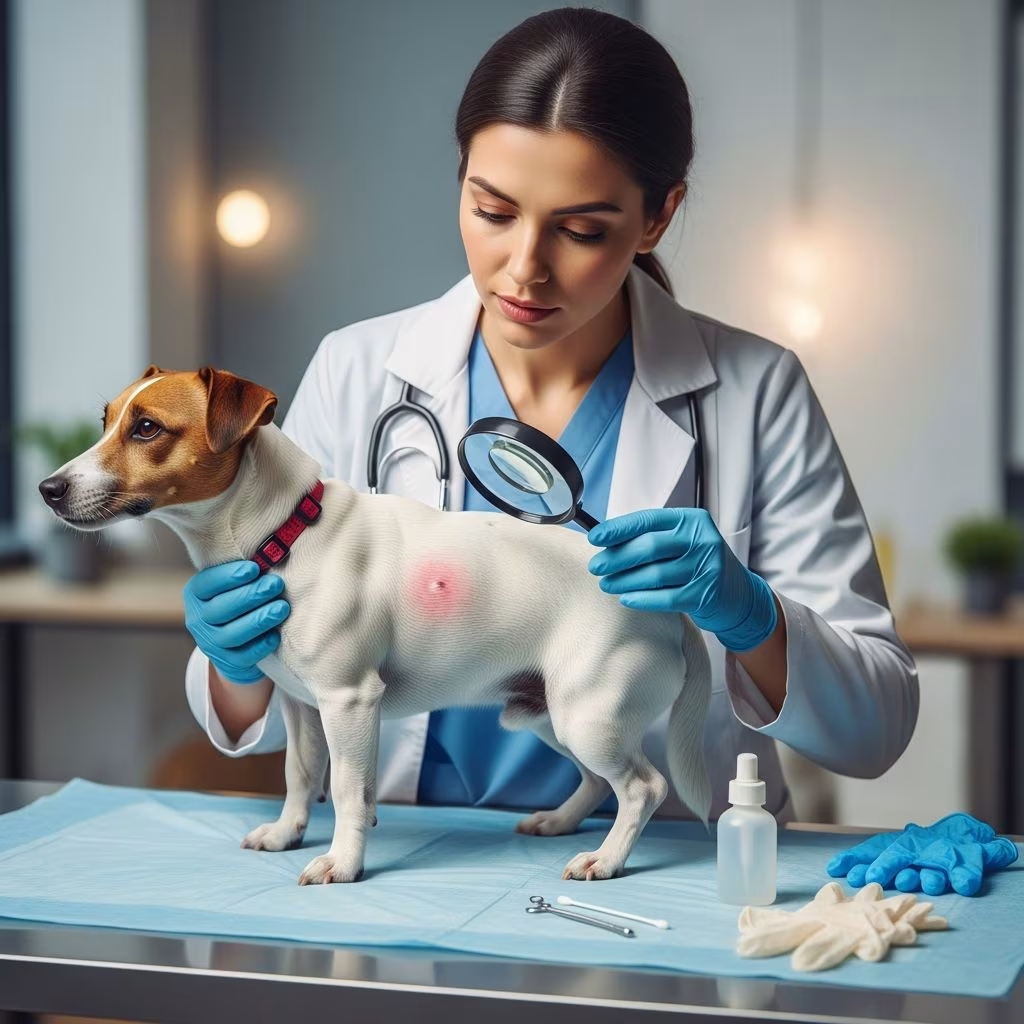
Ringworm, a contagious fungal infection affecting the skin, hair, and nails of cats and dogs, requires a multifaceted treatment plan for successful eradication. Veterinary protocols emphasize combining oral antifungals, topical therapies, and thorough environmental cleaning to address the infection comprehensively and prevent reinfection.
Understanding Ringworm in Companion Animals
Ringworm, medically termed dermatophytosis, is caused by fungi such as Microsporum canis, which accounts for about 70% of cases in dogs, alongside Microsporum gypseum and Trichophyton mentagrophytes. In cats, M. canis predominates. This zoonotic condition spreads easily between pets, humans, and environments, thriving in warm, moist areas and persisting as resilient spores for months.
Symptoms include circular patches of hair loss, scaling, redness, and sometimes itching, though long-haired breeds may show subtler signs. Diagnosis involves fungal cultures, Wood’s lamp exams, or microscopy, as clinical appearance alone can mislead.
Core Principles of Effective Ringworm Management
Successful treatment hinges on three pillars: systemic antifungal administration to target deep infections, topical applications to kill surface spores, and environmental decontamination to eliminate reservoirs. Isolated topical therapy suffices only for mild, single-pet cases, but multi-pet households or shelters demand full integration.
Treatment duration typically spans 6-12 weeks, guided by follow-up cultures confirming two negative results spaced 1-3 weeks apart. Premature cessation risks recurrence.
Systemic Antifungal Therapies: The Backbone of Treatment
Oral medications penetrate hair follicles and systemically combat the fungus, essential for generalized infections.
Itraconazole: A Preferred Choice
Itraconazole, available as commercial formulations like Itrafungol, is highly effective and licensed for feline use. Dosed at 5-10 mg/kg daily or via pulse therapy (one week on, one week off for 3-5 cycles), it achieves high cure rates with good tolerability. Compounded versions show reduced bioavailability, so veterinary-grade products are recommended. Continuous dosing is safer and simpler in high-risk settings like shelters.
Terbinafine: Cost-Effective Alternative
Terbinafine (Lamisil) at 30-40 mg/kg daily offers excellent efficacy, persisting in hair for weeks post-treatment, supporting pulse options. It’s particularly economical for adult cats and effective in shelters. Side effects like occasional vomiting are rare.
Other Options and Cautions
Griseofulvin, dosed 25-50 mg/kg daily with fatty food for absorption, is outdated due to toxicity risks and inferior efficacy compared to newer drugs. Fluconazole serves as a backup for liver-compromised patients.
| Drug | Dosage | Pros | Cons |
|---|---|---|---|
| Itraconazole | 5-10 mg/kg daily or pulse | Licensed, high efficacy | Costly, avoid compounded |
| Terbinafine | 30-40 mg/kg daily | Affordable, persistent | Rare GI upset |
| Griseofulvin | 25-50 mg/kg daily | Traditional | Toxic, less effective |
Topical Treatments: Targeting the Surface
Applied twice weekly, topicals reduce spore shedding and accelerate healing when paired with orals.
- Lime Sulfur Dips: Gold standard for residual activity; 1:32 dilution rinses sterilize coats despite odor. Twice-weekly use yields fastest cures in studies.
- Enilconazole Rinses: 0.2% solution, highly effective in Europe; whole-body application twice weekly.
- Miconazole-Chlorhexidine Shampoos: Combined with creams like miconazole or clotrimazole for localized lesions; safe for frequent use.
- Other: Terbinafine creams or antifungal sprays for spots, but whole-body preferred.
Clip hair from affected areas or fully shave long-haired cats to enhance penetration. Post-treatment, sanitize hands and surfaces with 1:10 bleach.
Environmental Decontamination: Preventing Reinfection
Spore survival demands aggressive cleaning; untreated environments undermine therapy.
- Vacuum fabrics daily, dispose bags promptly.
- Wash bedding/toys in hot water; bleach hard surfaces.
- Mop floors; change HVAC filters.
- Isolate infected pets; minimize human/pet contact.
In shelters, dedicated rooms with disposable litter aid control.
Treatment Protocols for Cats vs. Dogs
Cats, primary carriers, often need clipping and intensive topicals due to asymptomatic shedding. Dogs respond similarly but may require less clipping if short-haired.
| Aspect | Cats | Dogs |
|---|---|---|
| Common Fungus | M. canis | M. canis (70%) |
| Topical Preference | Lime sulfur/enilconazole | Shampoos/dips |
| Duration | 6-12 weeks | 4-8 weeks |
Monitoring Progress and Cure Confirmation
Weekly cultures track efficacy; clinical improvement lags behind mycological cure. Continue until two negatives. Adjust if no response in 4 weeks.
Potential Complications and Side Effects
Oral drugs may cause appetite loss or liver enzyme elevation; monitor with bloodwork. Topicals rarely irritate. Humans handling pets risk infection—wash thoroughly.
Home Care Tips for Pet Owners
- Follow vet prescriptions precisely.
- Glove up for treatments.
- Clean daily; use blacklight for spores.
- Restrict pet to one room.
FAQs on Ringworm in Pets
Can ringworm resolve without treatment?
Rarely; self-limiting in immunocompetent animals but risks spread.
Is ringworm contagious to humans?
Yes, especially children and immunocompromised; practice hygiene.
How long until hair regrows?
Weeks post-cure; full coat may take months.
Are vaccines available?
No safe, effective ones recommended.
What if treatment fails?
Reculture; switch drugs or check compliance.
Prevention Strategies for Multi-Pet Homes
Quarantine newcomers; routine grooming/fungicides in shelters. Avoid overcrowding.
References
- Ringworm Management Playbook — Best Friends Animal Society. 2023. https://bestfriends.org/network/resources-tools/ringworm-management-playbook
- Ringworm in Cats — VCA Animal Hospitals. 2024. https://vcahospitals.com/know-your-pet/ringworm-in-cats
- GUIDELINE for Dermatophytosis, ringworm in cats — ABCD cats & vets. 2023. https://www.abcdcatsvets.org/guideline-for-dermatophytosis-ringworm-in-cats/
- How to treat ringworm in dogs — Vetster. 2024. https://vetster.com/en/wellness/how-to-treat-ringworm-in-dogs
- Ask the expert: Ringworm treatment — HumanePro. 2023. https://humanepro.org/magazine/articles/ask-expert-ringworm-treatment
- Ringworm (Dermatophytosis) in Dogs — Merck Veterinary Manual. 2025. https://www.merckvetmanual.com/dog-owners/skin-disorders-of-dogs/ringworm-dermatophytosis-in-dogs



