

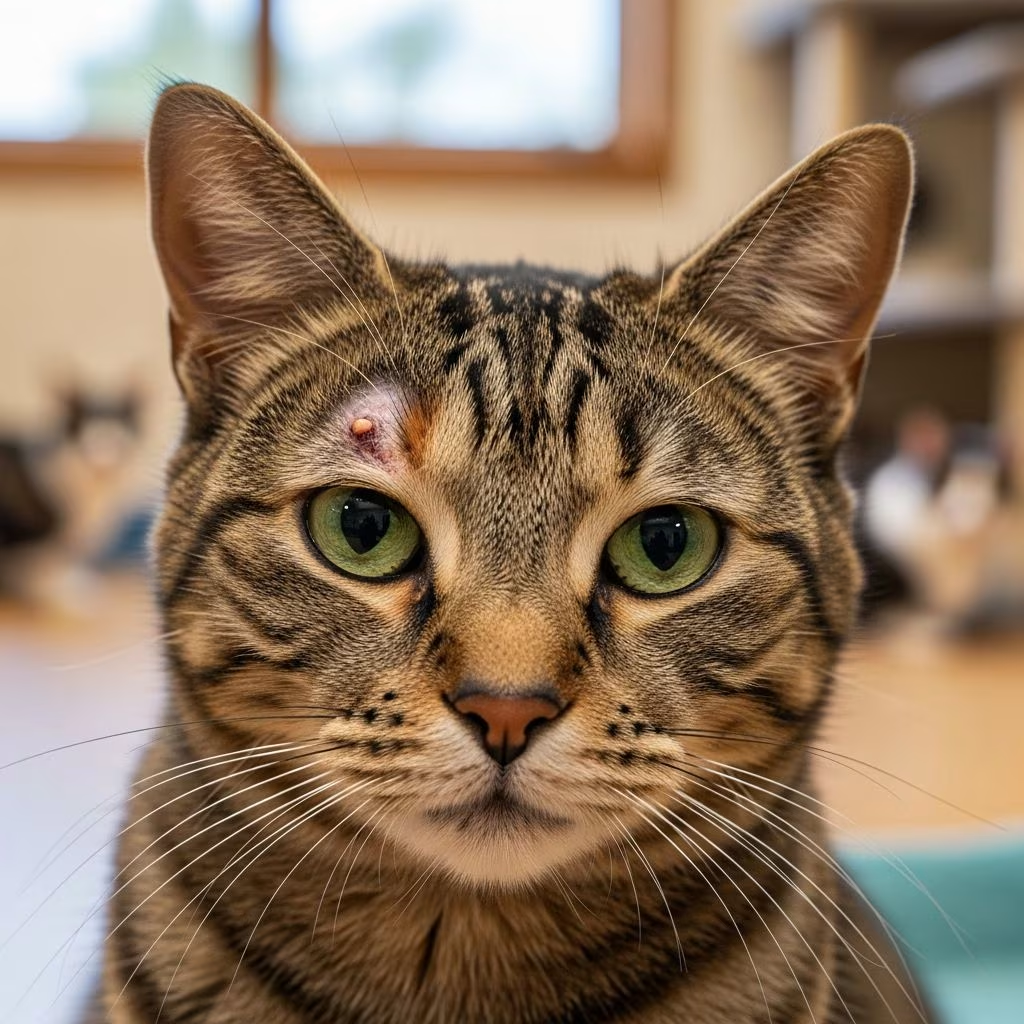
Ringworm in Shelter Cats: A Highly Treatable Condition
Ringworm, medically known as dermatophytosis, has long been considered a significant problem in shelter environments. This fungal infection caused by dermatophytes such as Microsporum canis represents one of the most common reasons cats and kittens are euthanized in shelters across the country. However, this outcome is far from inevitable. The reality is that ringworm is highly treatable, and shelters can implement lifesaving management programs that successfully treat infected cats while protecting the rest of the animal population from exposure.
The key to changing outcomes for cats with ringworm lies in understanding the disease, recognizing its clinical signs, and implementing evidence-based treatment protocols. When shelters commit to comprehensive ringworm management strategies, they can dramatically increase survival rates and demonstrate that this condition should never be a barrier to a cat’s chance at life.
Understanding Ringworm and Why It Matters
While ringworm is not fatal under normal circumstances, its highly contagious nature and the extended treatment period required make it a management challenge for shelter operations. The disease spreads readily between animals through direct contact, contaminated environments, and shared objects. Additionally, ringworm can be transmitted to humans, creating zoonotic concerns that add urgency to proper management protocols.
The contagious nature of ringworm has traditionally prompted shelters to make difficult decisions about infected animals. However, modern shelter medicine has demonstrated that with proper isolation, treatment, and environmental controls, shelters can successfully manage ringworm cases without risking spread to other animals in the facility.
Diagnostic Approaches for Accurate Identification
Prompt recognition and appropriate diagnostic testing form the foundation of any successful ringworm management program. Because ringworm is both contagious and zoonotic, rapid confirmation of true infection is essential for implementing proper treatment that reduces transmission risk to other susceptible animals and people.
Veterinary staff must be trained on proper diagnostic techniques, including the use of Wood’s lamp examinations, trichogram preparations, and fungal cultures. While these diagnostic tools are valuable, it’s important to note that some cats may test false positive through various methods, so careful interpretation of results is necessary. Fungal cultures remain the gold standard for definitive diagnosis and are crucial for determining when treatment can be discontinued.
Comprehensive Treatment Protocols
The most effective approach to treating ringworm in cats involves a three-pronged strategy combining topical treatment, systemic oral therapy, and environmental decontamination performed regularly.
Topical Treatment Options
Topical treatment is essential for controlling ringworm infection. The primary topical treatment options include lime sulfur dips and antifungal shampoos. Lime sulfur dips are superior to other topical products because they provide residual activity that other treatments cannot achieve. This residual effect means the product continues to work after application, providing extended protection. Lime sulfur works by decreasing shedding of infective material, killing spores, helping prevent new lesions, and reducing environmental contamination.
However, the offensive odor associated with lime sulfur can be challenging, particularly in foster home settings. Better compliance may be achieved with alternative topical treatments such as miconazole with chlorhexidine or enilconazole solutions, though these alternatives lack the residual activity of lime sulfur. Topical treatment should be performed twice weekly until cure is achieved.
Systemic Oral Antifungal Therapy
Systemic therapy is considered a necessary component of ringworm treatment because it eradicates infection in the hair follicle where topical treatments alone cannot reach. The most effective and safe systemic treatments for cats are itraconazole and terbinafine. Itraconazole is typically administered at 5 mg/kg orally daily for 21 days, while terbinafine is dosed at 10 mg/kg orally daily for 21 days.
Pulse therapy, where medication is given intermittently rather than continuously, has been recommended to reduce adverse effects and treatment costs. However, studies have found that ongoing daily therapy is safe, and pulse therapy is often difficult to implement consistently in shelter or foster settings. Cats who do not receive adequate continuous therapy will take longer to clear the infection, potentially extending their stay in the shelter and increasing operational burden.
Environmental Decontamination
Eliminating environmental contamination is equally important as treating the infected cat. Daily spot-cleaning and twice-weekly deep-cleaning in conjunction with disinfection protocols are essential. All bedding, food bowls, and environmental surfaces in areas where ringworm cats are housed must be thoroughly cleaned and disinfected to prevent reinfection and environmental reservoir of fungal spores.
In-Shelter Isolation Ward Implementation
For most shelters, housing cats with ringworm in a dedicated isolation ward makes operational and medical sense. This approach protects the rest of the animal population from exposure while improving the efficiency of administering daily oral medications and twice-weekly topical treatments.
Housing Considerations
Because cats are likely to be housed in the ringworm ward for several weeks, careful attention must be paid to their living conditions. Isolation kennels should be prioritized for portal access and double-compartment housing so that cats have more space to move and exercise. Stress reduction is critically important, as prolonged shelter stays and high-stress environments can precipitate secondary health conditions like upper respiratory disease.
It’s common to see upper respiratory disease occurring concurrently in ringworm-positive cats due to extended housing duration and stress. However, this concurrent condition should never prompt euthanasia decisions, as similar presentations can occur in any cat who has resided in the shelter for an extended period. When increased upper respiratory disease is noted in the ringworm ward, shelters should explore methods to reduce stress, increase enrichment activities, prioritize foster programming, and actively work to reduce length of stay.
Public Visibility and Adoption Opportunities
Shelters should consider keeping cats undergoing ringworm treatment in areas visible to the public. This visibility provides cats with opportunities to leave the shelter through fostering or adoption, with treatment continuing in the home environment. Shelters that have successfully destigmatized ringworm treatment and placed these cats in public view have demonstrated significant reductions in their length of stay in the facility.
Volunteer and Staff Engagement
Many shelters have successfully extended their staff bandwidth and improved animal care by engaging trained and experienced volunteers in ringworm management. Volunteers can participate in the labor-intensive process of topical dipping, medication administration, and environmental cleaning. Some shelters have developed volunteer-primary programs that are largely run by dedicated volunteers under veterinary supervision.
This volunteer engagement accomplishes multiple goals simultaneously: it ensures cats receive consistent, frequent care; it reduces burden on paid staff; it provides enrichment and socialization opportunities for cats; and it educates the community about ringworm management.
Foster Care Programming
Foster programming for ringworm cats offers significant advantages both for the cats and the shelter operation. Whether used as a replacement for an in-shelter isolation ward or in conjunction with an in-shelter program, foster care provides behavioral socialization benefits to individual cats while dramatically decreasing the workload for shelter staff.
Foster Treatment Standards
Foster cats should receive treatment similar to that provided for in-shelter cats, including topical application twice weekly, daily oral antifungal therapy, and weekly fungal cultures or other testing to determine when the infection has cleared. Consider training foster volunteers to collect samples for fungal culture themselves, allowing samples to be delivered to the shelter rather than requiring cats to be transported repeatedly.
Foster Environment Setup
To make cleaning and disinfection easier, foster volunteers should be advised to keep ringworm animals in a confined area that is easy to disinfect, such as a bathroom, large dog crate, or cat tower. Daily and weekly cleaning recommendations remain the same as for shelter-housed cats: daily spot-cleaning and twice-weekly deep-cleaning in conjunction with topical treatment applications.
For foster volunteers who are resistant to performing lime sulfur dips in their homes, shelters can consider bringing cats to the facility for this treatment while continuing other therapies in the foster home. Alternative topical products can also be offered, though they lack the residual effect of lime sulfur and may result in longer treatment timelines.
Determining Cure and Clearing Cats
Establishing a definitive strategy for determining when cats have been cleared of ringworm infection is essential for ending treatment appropriately and returning cats to the general population or releasing them to adoption. Serial fungal cultures represent the most reliable method for confirming cure.
Cultures should be collected weekly beginning at 2-3 weeks into treatment, collected just prior to topical treatment application. Clinical cure commonly precedes mycologic cure, meaning the cat may appear healthy and lesion-free before fungal cultures confirm elimination of the organism. For infected cats without other health problems, the first post-treatment fungal culture is obtained after completion of the treatment protocol when the cat is lesion-free. If this culture is negative, the patient is assumed cured and treatment can be discontinued.
Treatment typically requires 4 to 6 weeks with appropriate combined therapy, though duration may extend longer in some cases. The commitment to ongoing treatment until mycologic cure is confirmed is essential; premature discontinuation of treatment can result in relapse and recurrence of clinical signs.
Destigmatization and Community Education
A critical component of successful ringworm management is implementing an outreach strategy that destigmatizes the disease among foster caregivers, volunteers, and potential adopters. When people understand that ringworm is highly treatable and that cats can be safely adopted with continued home treatment, they become more willing to provide foster care or adopt ringworm-positive cats.
Educational materials should emphasize that ringworm is not a serious threat to healthy people and animals, that treatment is straightforward, and that cats recover fully from the infection. This messaging can dramatically increase live outcomes by expanding the pool of people willing to care for affected cats.
Special Considerations for Kittens
Kittens require particular attention in shelter ringworm management. Different litters of kittens should not be mixed together for housing, as this increases transmission risk. Double-sided compartment housing in quiet rooms is essential to reduce stress during shelter stay. Given that shelters are not ideal environments for kitten health and development, all options should be pursued to prevent kittens from entering shelters in the first place or to facilitate their rapid exit through early adoption or foster placement.
Frequently Asked Questions
Q: Is ringworm in cats fatal?
A: No, ringworm is not fatal under normal circumstances. However, its contagious nature and the treatment duration required have historically made it a reason for euthanasia decisions in shelters. With proper management, this outcome is entirely preventable.
Q: Can ringworm spread to humans?
A: Yes, ringworm is zoonotic and can be transmitted to humans. However, with appropriate hygiene practices and topical treatment, transmission risk is minimal. Healthy individuals typically experience mild infections that resolve quickly.
Q: How long does ringworm treatment take?
A: Treatment typically requires 4 to 6 weeks with appropriate combined topical and systemic therapy. Some cases may require longer treatment periods. Treatment should continue until mycologic cure is confirmed through fungal culture.
Q: Can cats adopt ringworm and continue treatment at home?
A: Yes, absolutely. Cats can be adopted with ringworm, and treatment can continue successfully in the home environment. This approach benefits the cat by providing a loving home during recovery and helps shelters manage space and resources more effectively.
Q: Is there a vaccine for ringworm in cats?
A: Safe and efficient vaccines for cats against dermatophytosis are currently unavailable. Vaccination is not recommended as a prevention or treatment strategy.
Q: What should I do if my foster cat has ringworm?
A: Follow the treatment protocol provided by your shelter, including topical treatment twice weekly, daily oral medication, and environmental cleaning. Keep the cat confined to an easy-to-clean area, practice good hygiene, and collect fungal cultures as directed by your veterinarian or shelter.
References
- Ringworm Management Playbook — Best Friends Animal Society. Retrieved from https://bestfriends.org/network/resources-tools/ringworm-management-playbook
- Feline Ringworm Infections in Shelters — University of Florida College of Veterinary Medicine, Shelter Medicine Program. 2021. https://sheltermedicine.vetmed.ufl.edu
- Ringworm in Cats — VCA Animal Hospitals. https://vcahospitals.com/know-your-pet/ringworm-in-cats
- Guideline for Dermatophytosis, Ringworm in Cats — ABCD Cats & Vets. https://www.abcdcatsvets.org/guideline-for-dermatophytosis-ringworm-in-cats/
- Ringworm in Cats (Dermatophytosis) — UC Davis School of Veterinary Medicine. https://healthtopics.vetmed.ucdavis.edu/health-topics/ringworm-cats-dermatophytosis
- Ringworm: A Serious but Readily Treatable Affliction — Cornell Feline Health Center, Cornell University College of Veterinary Medicine. https://www.vet.cornell.edu/departments-centers-and-institutes/cornell-feline-health-center
- Treating Ringworm — Koret Shelter Medicine Program, University of California Davis. https://www.sheltermedicine.com/library/guidebooks/ringworm/treating-ringworm



