

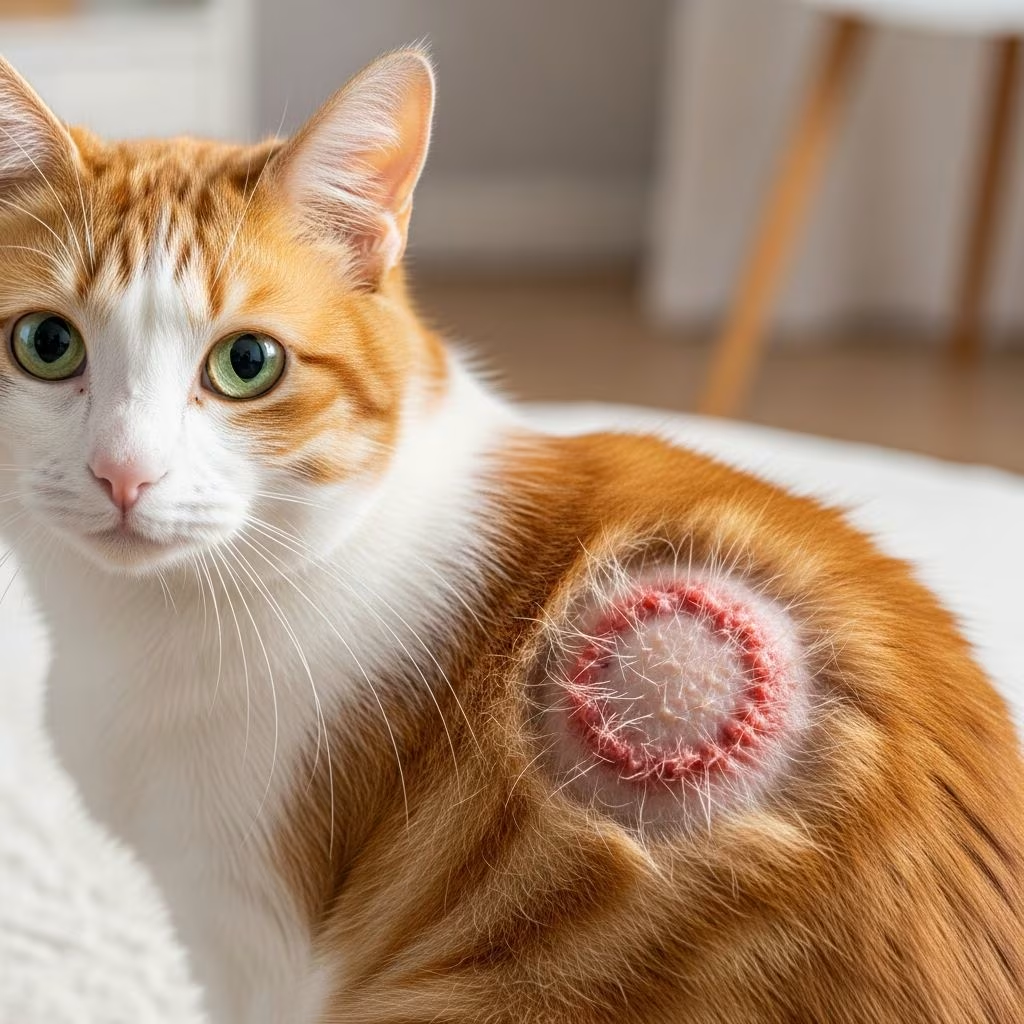
Despite living sheltered lives away from outdoor hazards, indoor cats remain susceptible to ringworm, a highly contagious fungal infection affecting the skin, hair, and nails. Caused by dermatophyte fungi rather than worms, this condition spreads easily through spores lingering on surfaces, other animals, or even human contact, posing risks even in clean homes.
Understanding the Nature of Feline Ringworm
Ringworm, scientifically known as dermatophytosis, thrives on keratin in a cat’s fur, skin, and claws. The primary culprit in felines is Microsporum canis, responsible for nearly all cases in cats, originating from infected animals or environmental sources.
These fungi produce resilient spores that survive for months or up to two years in damp environments, hitching rides on grooming tools, bedding, or clothing. Indoor settings, with their cozy carpets and shared furniture, can become ideal breeding grounds if spores enter via visitors or new pets.
How Does Ringworm Reach Indoor Cats?
House cats might seem insulated, but transmission occurs through indirect or direct pathways:
- Contact with asymptomatic carriers: Other pets or strays visiting the home can shed spores unnoticed.
- Contaminated household items: Shared brushes, blankets, or toys harbor fungi from previous exposures.
- Human vectors: Family members touching infected animals outside or in public spaces bring spores home on hands or clothes.
- Rare soil exposure: Microsporum gypseum from potted plants or tracked-in dirt.
Kittens, seniors, and immunocompromised cats face higher risks due to weaker defenses, while healthy adults may carry the fungus without symptoms, unknowingly spreading it.
Spotting the Signs: Symptoms in Indoor Cats
Manifestations vary, with some cats showing no outward signs yet remaining infectious. Common indicators include:
- Circular or patchy hair loss, often on the head, ears, legs, chest, or back.
- Scaly, crusty, or thickened skin patches, sometimes red or inflamed.
- Broken, stubby hairs around lesions, giving a stubbly appearance.
- Brittle, deformed, or discolored nails with rough bases.
- Excessive itching leading to scratching or over-grooming.
| Symptom | Common Locations | Severity Level |
|---|---|---|
| Patchy alopecia | Head, ears, limbs | Mild to moderate |
| Scaly lesions | Chest, spine | Moderate |
| Nail changes | Claws | Rare, severe if untreated |
| No symptoms (carrier) | Any | High contagion risk |
In severe cases, granulomas—raised, discharging nodules—form, signaling advanced infection. Prompt recognition prevents escalation.
Diagnostic Approaches for Accurate Identification
Veterinarians employ multiple tools since visual cues mimic allergies or acne:
- Physical exam: Checking for classic lesions.
- Wood’s lamp: UV light reveals glowing spores from certain fungi (not all).
- Fungal culture: Gold standard, growing samples from hair/skin over 1-3 weeks.
- PCR testing: Rapid DNA detection of the fungus.
- Microscopy: Examining hairs for spores.
These confirm the fungus type, guiding targeted therapy, as M. canis dominates feline cases.
Treatment Strategies: Medical and Home Care
Eradicating ringworm demands a multi-faceted approach, typically lasting 4-8 weeks:
- Topical therapies: Lime sulfur dips, miconazole/chlorhexidine shampoos kill surface spores. Clip hair around lesions to expose skin.
- Oral antifungals: Itraconazole or terbinafine for systemic infection, especially in multi-cat homes.
- Environmental decontamination: Vacuum daily, wash fabrics in hot water, disinfect with bleach (1:10 dilution). Spores resist many cleaners.
Isolate infected cats to curb spread. Monitor with follow-up cultures. Untreated, it worsens, spreads, and risks secondary bacterial infections.
Prevention Essentials for Indoor Cat Owners
Shield your home proactively:
- Maintain hygiene: Regular grooming, clean litter boxes, vacuum high-traffic areas.
- Quarantine newcomers: Test fosters or adoptions before integration.
- Limit visitors: Ask about pet exposures; wash hands post-outings.
- Boost immunity: Balanced diet, stress reduction, routine vet checkups for at-risk cats.
- Disinfect tools: Use separate brushes; bleach non-porous items.
Avoid over-reliance on flea preventives, as they don’t target fungi.
Zoonotic Risks: Protecting Your Family
Ringworm jumps to humans via direct contact or fomites, causing itchy, ring-shaped rashes, scalp alopecia (especially kids), or nail issues. Immunosuppressed individuals face higher risks. Treat pet promptly and practice hygiene: handwashing, no face-touching post-cat handling. Human cases resolve with OTC antifungals like clotrimazole, but consult doctors.
FAQs on Ringworm in Indoor Cats
Can healthy indoor cats get ringworm?
Yes, via spores on clothes, other pets, or items; carriers shed without symptoms.
How long is a cat contagious?
Until two negative cultures, usually 2-4 weeks with treatment; spores linger environmentally.
Is ringworm fatal in cats?
Rarely, but severe cases in kittens/seniors can lead to systemic issues if untreated.
Does clipping fur help?
Yes, reduces spore load and aids topical treatments.
Can vaccines prevent it?
Limited efficacy; focus on hygiene over vaccination.
Long-Term Management and Monitoring
Post-treatment, retest via culture to confirm clearance. Recheck environments seasonally, as spores persist. Multi-pet households require vigilant separation during outbreaks. Educate family on signs in humans/pets for early intervention. With diligence, indoor cats thrive ringworm-free.
References
- Ringworm in Cats – PetMD — PetMD. 2023. https://www.petmd.com/cat/conditions/skin/ringworm-in-cats
- Ringworm in Cats: Signs, Symptoms, Treatment | UrgentVet — UrgentVet. 2024. https://urgentvet.com/ringworm-in-cats-signs-symptoms-treatment/
- Ringworm Infection in Cats – Long Beach Animal Hospital — Long Beach Animal Hospital. 2023. https://lbah.com/feline/ringworm-infections-in-cats/
- What Is Ringworm in Cats? Symptoms and Treatment – GoodRx — GoodRx. 2024. https://www.goodrx.com/pet-health/cat/ringworm-in-cats
- Ringworm and Pets – CDPH — California Department of Public Health (.gov). 2023. https://www.cdph.ca.gov/Programs/CID/DCDC/Pages/Ringworm.aspx



