

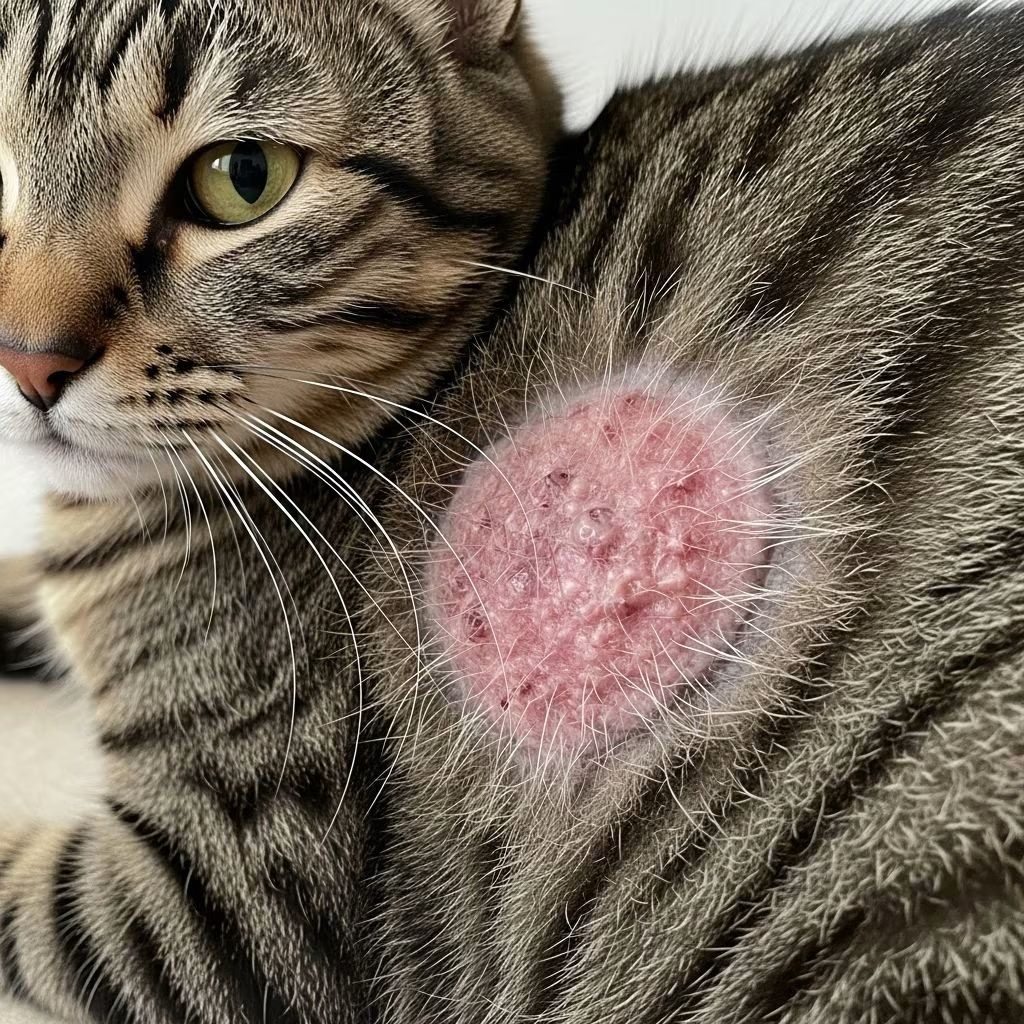
Ringworm, scientifically termed dermatophytosis, represents a prevalent fungal affliction in pets, particularly dogs and cats, manifesting as circular patches of hair loss, scaly skin, and irritation. Despite its misleading name, this condition stems from dermatophyte fungi rather than worms, thriving in warm, humid environments and spreading easily among animals and to humans.
Understanding the Fungal Culprits Behind Ringworm
The primary agents responsible for ringworm in pets belong to genera such as Trichophyton, Microsporum, and Epidermophyton. These fungi target keratin-rich tissues like skin, hair, and nails. In cats, Microsporum canis predominates, accounting for most cases, while dogs more commonly encounter Trichophyton mentagrophytes. These pathogens reside in soil, on infected animals, or contaminated objects, persisting for months in favorable conditions.
Pets with compromised immunity, young animals, or those in crowded settings like shelters face heightened risk. Fungi penetrate the outer skin layers, feeding on keratin and eliciting an immune response that forms the characteristic lesions.
Recognizing Early Signs in Your Pet
Initial symptoms emerge 1-3 weeks post-exposure, starting as small, scaly, discolored patches. Lesions expand into annular shapes with raised, red borders and clearer centers, often accompanied by itching, though some pets show minimal discomfort.
- Hair loss: Circular bald spots, especially on the head, legs, or trunk.
- Skin changes: Dry, brittle, or flaky skin with possible crusting or blistering.
- Nail involvement: Thickened, discolored, brittle claws in chronic cases.
- Scalp or facial effects: In cats, broken hairs and temporary bald patches mimicking allergies.
Severe cases may lead to widespread infection or secondary bacterial issues from scratching. Monitor for lethargy or fever, signaling complications.
How Ringworm Spreads in Pet Households
This infection transmits via direct contact with infected pets, humans, or fomites like bedding, brushes, and toys. Spores linger on surfaces for up to 18 months, infecting via minor skin abrasions. Zoonotic potential means pet owners risk contraction, especially children and immunocompromised individuals.
Common scenarios include multi-pet homes, kennels, grooming salons, or contact with stray animals. Warm, moist climates exacerbate outbreaks.
| Route | Examples | Risk Level for Pets |
|---|---|---|
| Direct Contact | Pet-to-pet, pet-to-human | High |
| Indirect (Fomites) | Shared bowls, blankets | Medium-High |
| Environmental | Soil, damp floors | Medium |
Diagnostic Approaches for Accurate Identification
Veterinarians diagnose via clinical exam, noting lesion morphology. Confirmation involves:
- Wood’s Lamp: Fluorescence under UV light for certain Microsporum strains.
- Microscopy: KOH prep revealing hyphae in hair/skin scrapings.
- Culture: Fungal growth on media over 1-3 weeks for species ID.
- Biopsy: Rare, for atypical presentations.
Differentiate from allergies, mange, or bacterial dermatitis to avoid mis treatment.
Treatment Strategies: From Topicals to Systemic Options
Therapy combines medical intervention, environmental decontamination, and isolation. Mild cases respond to topicals; extensive ones require orals.
Topical Antifungals
Apply creams twice daily for 2-4 weeks:
- Clotrimazole 1%
- Miconazole 2%
- Terbinafine 1%
- Ketoconazole 2%
Lime sulfur dips weekly aid in killing spores.
Oral Medications
For scalp/nail involvement or widespread disease:
- Terbinafine: 30-40 mg/kg daily for dogs, 4-6 weeks.
- Itraconazole or Fluconazole as alternatives.
Monitor liver function in long-term use. Treat all household pets and clean environs.
Environmental Cleaning Protocols
Disinfect with 1:10 bleach, accelerated hydrogen peroxide, or enilconazole. Vacuum daily, wash fabrics in hot water, discard irredeemables. Isolate infected pets until two negative cultures.
Prevention Tactics for Pet Owners
Proactive measures curb incidence:
- Hygiene: Regular baths, dry thoroughly.
- Quarantine: New pets for 2-3 weeks.
- Avoidance: Steer clear of infected animals/areas.
- Nutrition: Balanced diet bolsters immunity.
Annual vet checks catch subclinical cases.
Potential Complications and Long-Term Management
Untreated ringworm risks Majocchi’s granuloma (deep follicular invasion) or kerion (inflammatory scalp mass with pus/hair loss). Secondary infections cause cellulitis. Recurrence common if spores persist; chronic cases deform nails.
Prognosis excellent with compliance: resolution in 4-6 weeks. Persistent cases may need 12 weeks.
FAQs on Pet Ringworm
Is ringworm contagious to humans from pets?
Yes, highly zoonotic; handle with gloves, wash hands.
How long does treatment last?
2-4 weeks topicals, 4-12 weeks orals; complete full course.
Can ringworm resolve without treatment?
Rarely; often spreads or persists without intervention.
What home remedies work?
None reliably; avoid delays with unproven oils/dilutions.
Does vaccination exist?
Limited for high-risk cats; consult vet.
When to Consult a Veterinarian Urgently
Seek care for rapidly spreading lesions, nail involvement, lethargy, or failed OTCs. Early intervention prevents zoonosis and complications.
References
- Ringworm: Causes, Symptoms, Treatment and More — Healthline. 2022-01-10. https://www.healthline.com/health/ringworm
- Tinea Corporis – StatPearls — NCBI Bookshelf. 2023-07-17. https://www.ncbi.nlm.nih.gov/books/NBK544360/
- A to Z: Dermatophytosis (Ringworm) (for Parents) — KidsHealth. 2023. https://kidshealth.org/Partnership/en/parents/az-dermatophytosis.html
- Ringworm of the Body — UF Health. 2024. https://ufhealth.org/conditions-and-treatments/ringworm-of-the-body
- Ringworm (Tinea Corporis): What It Looks Like, Causes & Treatment — Cleveland Clinic. 2023-11-28. https://my.clevelandclinic.org/health/diseases/4560-ringworm
- Ringworm (body) – Symptoms & causes — Mayo Clinic. 2023-08-23. https://www.mayoclinic.org/diseases-conditions/ringworm-body/symptoms-causes/syc-20353780
- Ringworm and Fungal Nail Infections Basics — CDC. 2024-09-12. https://www.cdc.gov/ringworm/about/index.html



