

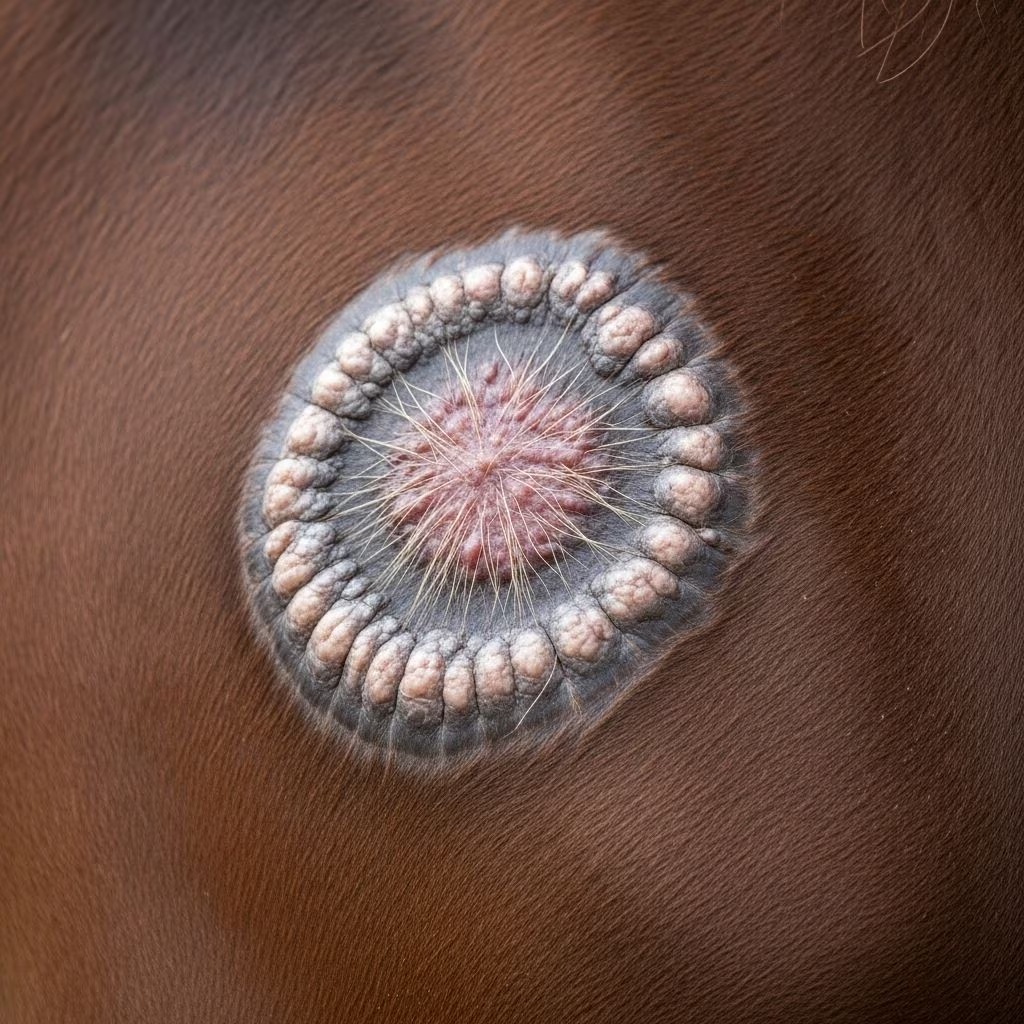
Fungal skin conditions known as ringworm, or dermatophytosis, represent a frequent challenge for horse owners, characterized by contagious infections that target the skin and hair. These infections, primarily driven by dermatophyte fungi, lead to noticeable lesions and demand prompt management to curb spread within stables and beyond.
Understanding the Nature of Equine Ringworm
Ringworm arises from fungi that thrive on keratin found in a horse’s skin, hair, and hooves. Unlike parasitic issues, this condition stems from environmental fungi rather than worms, despite its misleading name. Primary culprits include Trichophyton equinum and Trichophyton mentagrophytes, with potential involvement from other species like Microsporum. These pathogens flourish in moist, warm settings, making them prevalent during damp seasons or in crowded facilities.
The infection process begins when spores contact vulnerable skin, often abraded by tack or girth pressure. Fungi penetrate dead skin layers without invading living tissue deeply, relying on host inflammation to eventually halt progression. However, this natural containment can span weeks, prolonging contagion risks.
Recognizing Early Signs and Symptoms
Initial manifestations often appear subtle, mimicking minor irritations like rubs or bites, which complicates timely detection. Key indicators include:
- Circular patches of alopecia with scaly, crusty edges and broken hairs.
- Redness, raised lesions, or mild itching in affected zones.
- Common sites: girth, saddle region, neck, flanks, chest, or face.
As lesions evolve, they form distinctive rings, spreading via self-grooming or contact. Some horses show no discomfort, delaying owner awareness until multiple areas or animals are involved. Young, stressed, or immunocompromised equines face heightened susceptibility, with outbreaks surging in autumn or winter due to wet conditions.
Factors Fueling Ringworm Outbreaks
Several elements amplify infection likelihood:
- Environmental Moisture: Damp bedding, poor ventilation, or rainy weather fosters spore survival.
- Close Quarters: Overcrowding in barns promotes direct fungal transfer via shared brushes or rubbing.
- Stress and Nutrition: Weaning, transport, or dietary shortfalls weaken immunity.
- Contaminated Gear: Tack, blankets, and grooming tools harbor spores if not disinfected.
Humans and other animals can act as vectors, underscoring hygiene’s role in prevention.
Accurate Diagnosis Methods
Visual inspection alone risks confusion with conditions like rain scald, sarcoids, allergies, or bacterial pyoderma. Veterinarians employ:
- Microscopic Exam: Quick assessment of hair/scrapings for fungal elements.
- Culture Testing: Gold standard; grows fungi from samples over 7-21 days for species ID.
Early confirmation guides targeted therapy, averting unnecessary treatments.
Comprehensive Treatment Approaches
While robust immunity often resolves mild cases in 1-3 months, intervention accelerates healing and limits transmission. Strategies divide into topical, systemic, and supportive measures.
Topical Therapies
First-line options target lesions directly:
| Treatment Type | Examples | Application Frequency | Notes |
|---|---|---|---|
| Antifungal Shampoos/Dips | Miconazole, chlorhexidine | 2-3 times weekly | Cover whole body; rinse or no-rinse per label. |
| Enilconazole or Iodine Sprays | Antimycotic solutions | Every 3-4 days | Use gloves; dedicated sponge. |
| Creams/Ointments | Targeted antifungals | Daily on lesions | Clip hair first for penetration. |
Hair clipping exposes lesions, enhancing efficacy. Expect hair regrowth in 1-4 weeks.
Systemic Options for Severe Cases
Reserved for widespread or persistent infections:
- Griseofulvin: Oral for 10 days; inhibits fungal growth but risks liver toxicity—monitor enzymes, avoid in pregnant mares or liver-compromised horses.
- Terbinafine or Sodium Iodide: Alternatives with similar caveats; vet oversight essential.
Combine with topicals for synergy.
Supportive Care and Quarantine
Isolate infected horses immediately. Disinfect stalls with bleach (1:10 dilution), discard contaminated bedding, and launder gear at high heat. Limit handling; wear gloves.
Prevention Strategies for Barn Health
Proactive steps minimize risks:
- Maintain dry, clean environments with good airflow.
- Disinfect shared equipment weekly.
- Quarantine new arrivals for 3-4 weeks.
- Boost nutrition and reduce stress via balanced diets and routines.
- Monitor during high-risk seasons.
Vaccines exist in some regions but aren’t universally effective; hygiene trumps all.
Zoonotic Risks and Human Precautions
Ringworm transmits to people, especially children or immunocompromised individuals, causing similar itchy rings. Wash hands post-handling, avoid lesion contact, and seek medical advice if exposed. Treat horses promptly to safeguard all.
Prognosis and Long-Term Management
With treatment, most horses recover fully without scarring. Recurrence is rare in healthy adults but monitor foals and elders. Environmental cleanup prevents reintroduction.
Frequently Asked Questions (FAQs)
Is horse ringworm contagious to humans?
Yes, certain strains like T. mentagrophytes can infect people. Use protective gear and hygiene.
How long does ringworm last without treatment?
Typically 1-3 months, but risks spreading during this time.
Can I ride a horse with ringworm?
Avoid until cleared; tack spreads spores. Quarantine first.
What’s the best home remedy?
None reliable; vet-prescribed antifungals are essential. Avoid unproven remedies.
Does clipping hair help treatment?
Yes, improves topical access and reduces spore load.
Equine ringworm demands vigilance, blending veterinary care with diligent hygiene for swift resolution and herd protection. Consult professionals for tailored plans.
References
- Ringworm in Horses (Dermatophytosis) — UC Davis Center for Equine Health. 2023. https://ceh.vetmed.ucdavis.edu/health-topics/ringworm-horses-dermatophytosis
- Ringworm (Dermatophytosis) in Horses — Merck Veterinary Manual. 2023-10-17. https://www.merckvetmanual.com/horse-owners/skin-disorders-of-horses/ringworm-dermatophytosis-in-horses
- Ringworm in Horses — PetMD. 2024. https://www.petmd.com/horse/conditions/skin/ringworm-horses
- Ringworm in horses: signs, treatment and prevention — Horse & Hound. 2023. https://www.horseandhound.co.uk/plus/vet-library/equine-ringworm-in-horses-39758
- Ringworm (Girth Itch) in Horses — Mad Barn. 2024. https://madbarn.com/ringworm-girth-itch-in-horses/



