

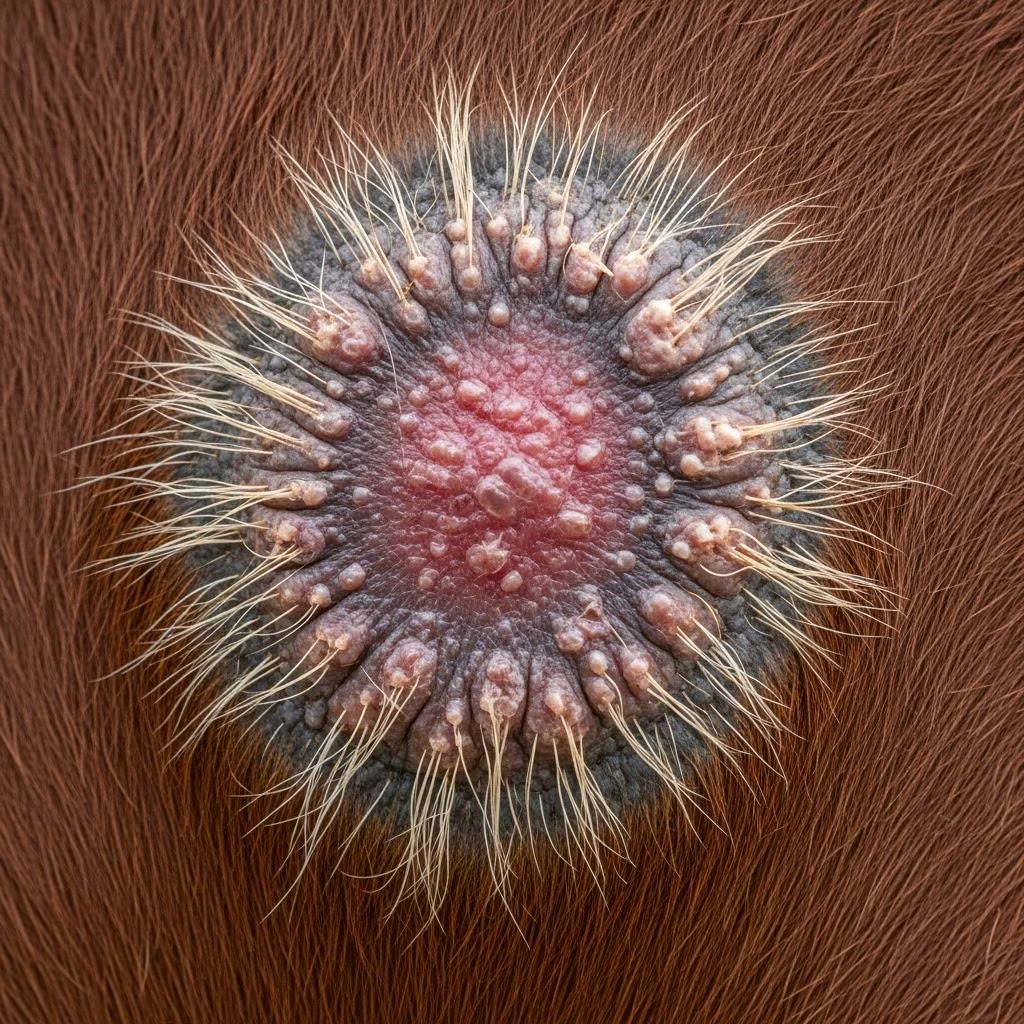
Ringworm, medically known as dermatophytosis, represents a prevalent fungal infection affecting the skin of horses. Caused by dermatophyte fungi, this condition manifests as characteristic circular patches of hair loss and scaly skin, posing risks of rapid spread within herds if not managed promptly. While often self-resolving, proactive intervention minimizes discomfort, accelerates recovery, and curbs transmission to other animals and humans.
Understanding the Nature of Equine Ringworm
Dermatophytosis arises from fungi such as Trichophyton or Microsporum species that thrive on keratin in hair, skin, and hooves. These organisms are highly contagious, spreading via direct contact with infected horses or contaminated fomites like brushes, blankets, and stall surfaces. Environmental persistence of spores exacerbates outbreaks, particularly in humid, crowded conditions common in stables or shows.
In horses, the infection typically incubates for 7-14 days, occasionally extending to four weeks before visible signs emerge. Unlike more pruritic cases in small animals, equine ringworm causes mild itching, progressing from raised, urticarial hair tufts to alopecic, grayish, flaky lesions often in ring-like patterns.
Common Clinical Manifestations
Horses display varied severity levels:
- Mild cases: Isolated small spots of hair loss with minimal rash.
- Moderate cases: Clustered larger patches, frequently under tack areas like girth or saddle regions where skin trauma facilitates entry.
- Severe cases: Extensive multifocal inflammation across the body, leading to discomfort and potential secondary bacterial issues.
Lesions favor high-contact zones: neck, shoulders, back, and legs. Hair regrowth post-resolution takes 1-4 weeks, but untreated cases may persist 1-3 months, fostering environmental contamination.
Factors Influencing Susceptibility and Spread
Young, stressed, or immunocompromised horses face heightened risk, as do those in dense populations like training facilities. Damaged skin from rubbing tack or minor injuries serves as an entry portal. Zoonotic potential underscores human handling precautions, with gloves essential to avert cross-infection.
| Risk Factor | Impact on Infection |
|---|---|
| Crowded stabling | Increases direct and fomite transmission |
| Shared grooming tools | Primary vector for spore dispersal |
| Humid environments | Promotes fungal spore survival |
| Immune stress | Worsens lesion severity and duration |
Diagnostic Approaches for Accurate Identification
Veterinary confirmation distinguishes ringworm from mimics like rain scald or pastern dermatitis. Initial assessment relies on hallmark circular alopecia with scaling.
Microscopic Examination: Pluck affected hairs, mount in 10% potassium hydroxide (KOH), warm gently, and scan for septate hyphae or arthroconidia under microscopy. Stains like Diff-Quik enhance fungal visibility, staining elements blue.
Culture and Advanced Tests: Fungal culture on dermatophyte test medium confirms species, guiding therapy. Wood’s lamp may fluoresce certain strains green, though not universally reliable in equines.
Biopsy is reserved for atypical presentations. Early diagnosis prevents herd-wide outbreaks.
Effective Treatment Strategies
While self-limiting, treatment curtails spread and symptom burden. Clip lesions, remove crusts with warm water, then apply therapies.
Topical Options (First-Line):
- Enilconazole (e.g., Imaverol™) diluted 1:50; apply whole-body sprays or washes 4x at 3-day intervals, no rinse. Safe for pregnant/ill horses.
- Lime sulfur dips (1:16-1:33) twice weekly; effective, leave-on.
- Chlorhexidine/ketoconazole or miconazole sprays on non-wash days.
- Alternative: Tea tree oil (25% in almond oil) for 15 days, showing full resolution in trials.
Systemic Therapies (Severe/Multiple Cases): Oral griseofulvin, terbinafine, or IV sodium iodide; monitor for hepatotoxicity via liver enzymes. Use judiciously due to side effects like birth defects.
Treatment duration: 2-4 weeks, with hair regrowth in 1-4 weeks. Prognosis excels for mild-moderate; guarded for severe.
Environmental and Isolation Protocols
Quarantine infected horses in isolated stalls/fields until clear (negative cultures). Disinfect with 1:40 bleach solution on stables, tack, gates. Sunlight’s UV kills spores; prioritize sunny turnout.
- Discard or sterilize shared equipment.
- Inspect in-contacts daily.
- Glove up; wash hands post-handling.
- Avoid premise moves until resolved.
Prevention Best Practices for Horse Owners
Proactive measures avert epidemics:
- Maintain hygiene: Clean tools between uses; rotate brushes.
- Monitor new arrivals: Quarantine 2-4 weeks.
- Optimize nutrition/immunity: Balanced diets reduce susceptibility.
- Seasonal vigilance: Peaks in fall/winter.
- Vaccination absence necessitates vigilant biosecurity.
Herd screening via periodic exams catches subclinical carriers.
Zoonotic Risks and Human Precautions
Horses transmit dermatophytes to humans, especially children/immunosuppressed. Lesions on hands/arms common in handlers. Wear gloves, long sleeves; launder clothes hot. Prompt horse treatment protects all.
Frequently Asked Questions (FAQs)
Can ringworm kill a horse?
No, it’s superficial and rarely systemic, though severe cases cause discomfort and secondary issues.
How long is a horse with ringworm contagious?
Until lesions resolve and cultures negative, typically 2-4 weeks with treatment; longer untreated.
Is ringworm in horses seasonal?
Often peaks fall/winter due to indoor crowding/humidity, but year-round possible.
Can I ride a horse with ringworm?
Avoid until treated; tack contamination spreads it, and lesions under saddle worsen.
Does ringworm resolve without vet care?
Yes, in 1-3 months, but risks spread and prolonged recovery; vet-guided treatment advised.
Long-Term Management and Monitoring
Post-treatment, surveil for recurrence; regrown hair may hide persistent foci. Annual herd checks in endemic areas. Integrate ringworm control into biosecurity plans alongside vaccines/deworming.
Research evolves: New topicals minimize systemic risks. Consult vets for tailored protocols matching farm dynamics.
References
- Preventing and managing dermatophytosis in the equine hospital — Veterinary Ireland Journal. 2015. https://www.veterinaryirelandjournal.com/large-animal/116-preventing-and-managing-dermatophytosis-in-the-equine-hospital
- Ringworm (Dermatophytosis) in Horses — Vetster. Accessed 2026. https://vetster.com/en/conditions/horse/ringworm-dermatophytosis
- Ringworm in Horses (Dermatophytosis) — UC Davis Center for Equine Health. Accessed 2026. https://ceh.vetmed.ucdavis.edu/health-topics/ringworm-horses-dermatophytosis
- Ringworm — Equine Disease Communication Center. Accessed 2026. https://www.equinediseasecc.org/ringworm
- Ringworm in Horses — PetMD. Accessed 2026. https://www.petmd.com/horse/conditions/skin/ringworm-horses



