

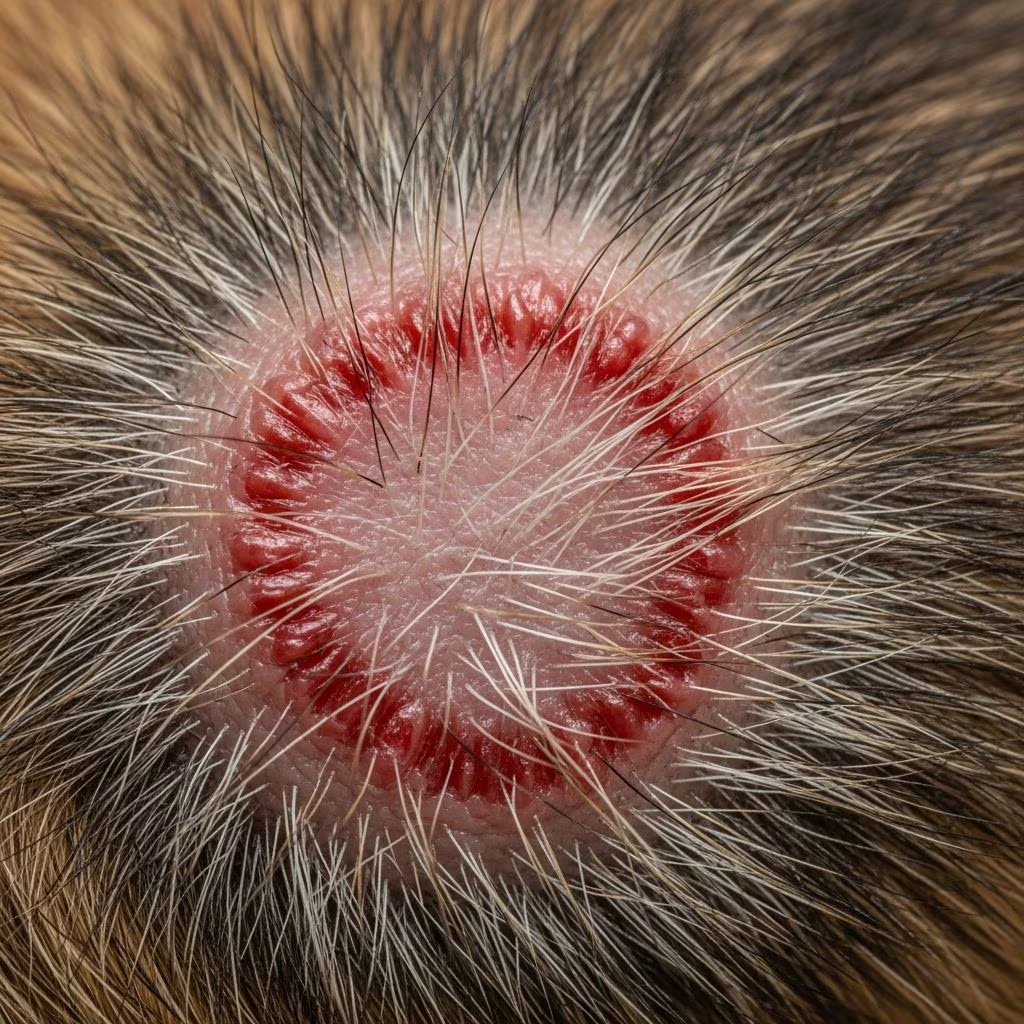
Ringworm is a common but highly contagious fungal infection affecting a dog’s skin, hair, and nails, caused by dermatophytes like Microsporum canis. Despite its name, it’s not a worm or parasite but a zoonotic fungus transmissible to humans and other animals, requiring prompt veterinary intervention for treatment.
What is ringworm in dogs?
Ringworm, medically termed dermatophytosis, thrives in warm, moist environments and spreads through direct contact with infected animals, spores in soil, or contaminated objects like bedding and grooming tools. Puppies, kittens, long-haired breeds, and immunocompromised dogs are most susceptible due to immature or weakened immune systems. The fungus invades keratin in hair, skin, and nails, leading to characteristic lesions.
In multi-pet households or kennels, outbreaks can spread rapidly if not addressed. Early recognition is crucial as untreated cases prolong contagiousness, sometimes up to 18-24 months in the environment.
Symptoms of ringworm in dogs
Initial signs often appear as small, circular areas of hair loss with scaly, red, inflamed skin, resembling a ring—hence the name. Lesions may itch mildly or not at all, but dogs can scratch, worsening spread. Common symptoms include:
- Circular bald patches, often on head, legs, or trunk
- Brittle, broken hairs or nails
- Scaly, crusty, or greasy skin
- Mild to moderate itching or discomfort
- Red, raised lesions that may ooze or become infected secondarily
Symptoms vary by infection severity; some dogs are asymptomatic carriers, shedding spores without visible signs, posing risks to others. Long-haired breeds may show less obvious patches until fur mats or breaks.
Causes of ringworm in dogs
Dermatophytes such as Microsporum canis (most common in dogs, 98% of cases), Trichophyton mentagrophytes, and Microsporum gypseum are primary culprits. Transmission occurs via:
- Direct contact with infected pets or wildlife (rodents, cattle)
- Indirect contact: spores on collars, brushes, furniture, floors lasting up to 18 months
- Environmental exposure in soil, especially warm/humid climates
Risk factors include overcrowding, poor hygiene, stress, poor nutrition, or concurrent illnesses suppressing immunity. No breed is immune, but young, elderly, or stressed dogs face higher odds.
Diagnosis of ringworm in dogs
Veterinarians diagnose via physical exam plus confirmatory tests, as symptoms mimic allergies, mange, or bacterial infections. Methods include:
- Wood’s lamp: UV light fluoresces apple-green on infected hairs (70-80% sensitivity for M. canis)
- Hair pluck microscopy: Reveals fungal spores/hyphae
- Fungal culture (gold standard): Grows fungus in 7-21 days on DTM media for species ID
- PCR testing: Rapid detection of fungal DNA
Multiple tests may be needed; cultures monitor treatment efficacy every 2-4 weeks until two consecutive negatives.
Treatment for ringworm in dogs
Treatment combines topical therapy, systemic antifungals, and environmental decontamination, lasting 4-12 weeks or longer based on severity, pet count, and household risks. Success rates exceed 90% with compliance; premature stopping risks recurrence.
Topical therapy: Reduces spore load and contagion.
- Medicated shampoos (miconazole/chlorhexidine like Malaseb, Sebazole): Bathe 2x/week
- Lime-sulfur dips: 2x/week, safe but smelly
- Creams/ointments (miconazole, clotrimazole): Localized lesions only; not standalone
- Clipping fur: Essential for long-haired dogs to expose lesions, prevent matting; dispose hair safely
Oral antifungals: Target systemic infection.
| Medication | Duration | Notes |
|---|---|---|
| Itraconazole/Fluconazole | Minimum 6 weeks | First-line; liver monitoring |
| Terbinafine/Griseofulvin | 6-12 weeks | Alternatives; GI side effects possible |
Combine therapies; test all household pets, even asymptomatic.
Environmental decontamination for ringworm
Spore survival demands rigorous cleaning to halt reinfection.
- Vacuum daily: Hard floors, carpets, furniture; seal/dispose bags
- Disinfect: 1:10 bleach, accelerated hydrogen peroxide, enilconazole on surfaces (avoid fabrics)
- Wash: Bedding, toys in hot water/dryer; replace unwashables
- Isolate: Infected pet to easy-clean area (bathroom, crate)
- Grooming tools: Discard or disinfect
Clean 2-3x/week for 1-2 months post-negative cultures.
Preventing ringworm in dogs
No vaccine exists; prevention focuses on hygiene and vigilance.
- Regular grooming/brushing; dispose hairs
- Quarantine new pets; vet check before intro
- Avoid high-risk areas (stray animals, dirty soil)
- Boost immunity: balanced diet, stress reduction
- Post-infection: Monthly cultures for carriers
Handwashing after pet contact, especially kids/immunocompromised.
Ringworm in dogs FAQs
Is ringworm in dogs contagious to humans?
Yes, highly zoonotic; children, elderly, immunocompromised at risk. Lesions appear similarly; consult doctor.
How long is a dog with ringworm contagious?
Until two negative cultures; typically 3-4 weeks with treatment, but spores linger.
Can ringworm go away on its own in dogs?
Possible in healthy adults (self-resolves 3-6 months), but risks spread; treat always.
How much does ringworm treatment cost for dogs?
Varies £200-£800+ (consults, meds, tests); multi-pet hikes costs.
Can I treat ringworm in my dog at home?
No; vet diagnosis/meds essential. OTC may worsen.
References
- Ringworm in Dogs: Signs, Symptoms, Treatment — American Kennel Club. 2023-05-15. https://www.akc.org/expert-advice/health/ringworm-in-dogs/
- Ringworm in Dogs | VCA Animal Hospitals — VCA Hospitals. 2024-02-10. https://vcahospitals.com/know-your-pet/ringworm-in-dogs
- Ringworm in Dogs – PetMD — PetMD. 2024-08-22. https://www.petmd.com/dog/conditions/skin/c_dg_dermatophytosis
- Ringworm and Pets – CDPH — California Department of Public Health (.gov). 2023-11-01. https://www.cdph.ca.gov/Programs/CID/DCDC/Pages/Ringworm.aspx



