

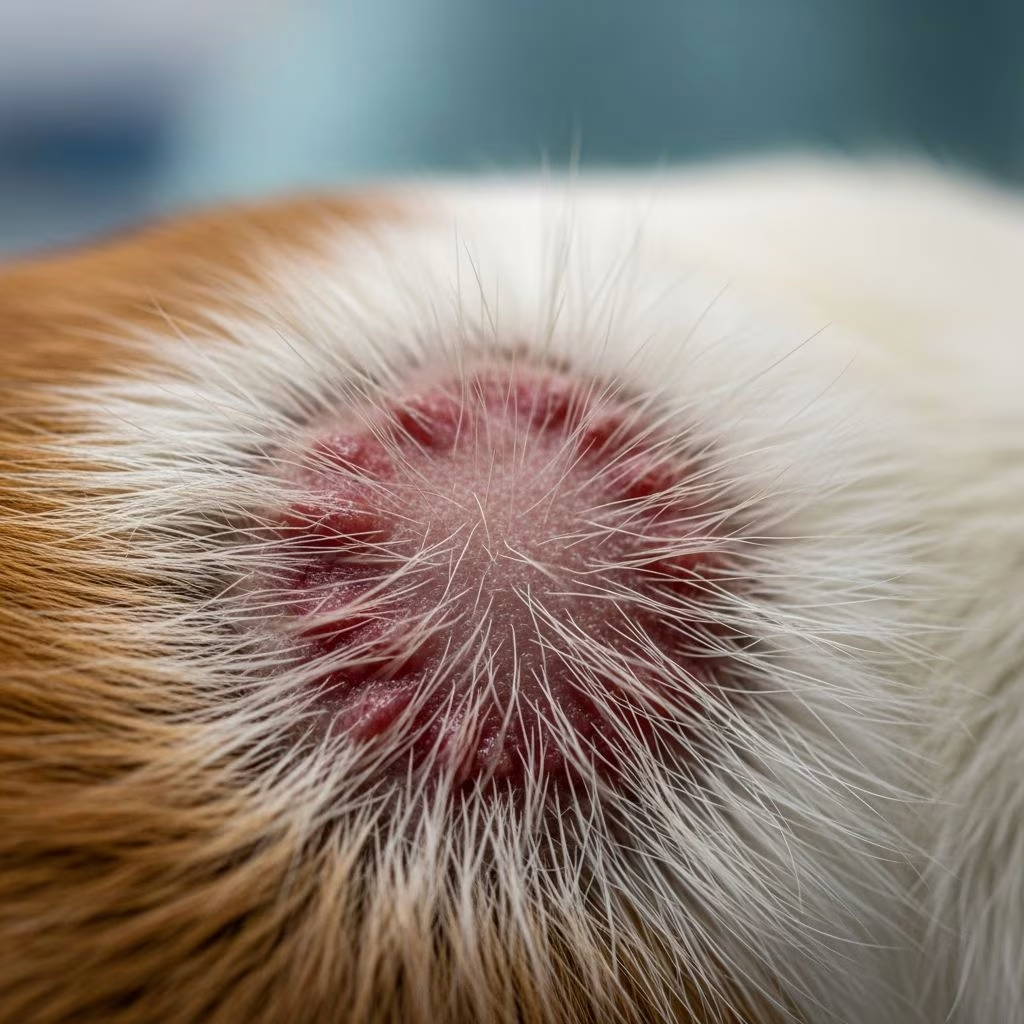
Understanding Ringworm in Dogs
Ringworm is a common fungal infection that affects dogs of all ages and breeds. Despite its name, ringworm is not caused by a worm but rather by dermatophytes, which are microscopic fungi that infect the skin, hair, and nails of dogs. This condition is highly contagious and can spread to other pets and humans, making prompt diagnosis and treatment essential. Understanding the causes, symptoms, and treatment options can help pet owners protect their dogs and prevent the spread of this fungal infection throughout their household.
What Causes Ringworm in Dogs?
Ringworm is caused by dermatophyte fungi that feed on keratin, the protein found in hair, nails, and the outer layer of skin. In dogs, approximately 70% of ringworm cases are caused by the fungus Microsporum canis. These fungi thrive in warm, moist environments and can survive on contaminated surfaces, bedding, grooming tools, and other objects. Dogs can contract ringworm through direct contact with infected animals, contaminated environments, or rarely, from soil. The infection spreads when fungal spores come into contact with broken or irritated skin, making dogs with compromised immune systems or existing skin conditions more susceptible to infection.
Symptoms and Signs of Ringworm in Dogs
The symptoms of ringworm in dogs can vary depending on the severity of the infection and the areas affected. It can take up to three weeks from the time a dog becomes infected before symptoms become noticeable. Pet owners should watch for the following signs:
Common Symptoms Include:
- Circular areas of hair loss, often with a red and crusty edge
- Raised, crusty bumps around hair follicles
- Broken hair and a poor-quality hair coat
- Dry, scaly skin or areas of excessive dandruff
- Inflamed areas of skin
- Darkened patches of skin
- Itchiness, scratching, or excessive grooming
- Bare patches appearing on the dog’s skin
- Inflamed nail beds or darkened, dry, deformed, or brittle nails
The most commonly affected areas on dogs include the face, ears, tail, and feet. As the infection progresses, large areas of alopecia (hair loss) can develop as infected hairs break off. In severe cases, the entire body can become affected if left untreated. The dermatophytes gradually spread outward from the originally infected hair follicle, infecting surrounding hairs and spreading the infection across the dog’s skin.
Diagnosis of Ringworm in Dogs
Accurate diagnosis is crucial for effective treatment. Veterinarians use multiple diagnostic methods to confirm ringworm and rule out other skin conditions. The most common diagnostic approaches include:
Diagnostic Methods:
- Wood’s Lamp Examination: A special ultraviolet light is used to examine infected hairs. Some fungal species fluoresce under this light, helping veterinarians identify ringworm.
- Fungal Culture: Hair or skin cell samples are collected and sent to a laboratory for fungal culture, which is the most accurate diagnostic method.
- Direct Microscopic Examination: Hair or skin scrapings are examined under a microscope to detect fungal elements, allowing for early diagnosis.
- Physical Examination: Your veterinarian will perform a thorough physical exam to assess the extent of the infection and identify all affected areas.
During the diagnostic process, your veterinarian will consider the severity of the case, the number of pets in the household, and whether there are children or immunocompromised adults present, as these factors influence the treatment plan.
How is Ringworm in Dogs Treated?
The most effective approach to treating ringworm in dogs involves a combination of topical therapy, oral medications, and environmental decontamination. Treatment plans are customized based on the severity of the infection and the specific circumstances of each case. Most dogs require a multi-pronged treatment strategy for complete recovery.
Topical Treatment for Ringworm
Topical therapy plays a crucial role in ringworm treatment by reducing shedding into the environment, helping prevent new lesions from developing, and killing fungal spores. While topical therapy is occasionally used alone for mild cases, it is more commonly used in combination with oral medication.
Antifungal Creams and Ointments:
Various creams and ointments are available for localized areas affected by ringworm. Common antifungal ingredients include miconazole (Micaved®), terbinafine (Lamisil®), and clotrimazole (Otomax® or Otibiotic®). These products are applied directly to affected areas as directed by your veterinarian. It is extremely important to only use preparations that have been specifically provided or recommended by your veterinarian.
Medicated Shampoos:
Medicated shampoos containing antifungal medications combined with disinfectants are among the most common topical treatments for ringworm in dogs. These shampoos typically contain ingredients such as chlorhexidine and miconazole, or other antifungal agents like enilconazole or econazole. Dogs are typically bathed with fungicidal shampoo twice weekly, though your veterinarian will provide specific instructions based on your dog’s condition.
Lime-Sulfur Dips:
Lime-sulfur dips are highly effective topical treatments that can be used twice weekly. Of the available topical treatments, lime-sulfur dips are more effective than antifungal shampoos alone. These dips can be administered at home or at your veterinarian’s office. However, they are quite messy and odorous, so many pet owners prefer to have this treatment performed at their veterinary clinic.
Hair Clipping and Shaving:
Shaving the hair in small areas may be sufficient if only one or two areas are affected. However, if there is more generalized disease, your veterinarian may recommend clipping all of your dog’s hair to speed up treatment and improve the effectiveness of topical medications. Hair removal allows topical treatments to penetrate more effectively and reduces the number of fungal spores in the environment.
Topical treatment usually takes several weeks to several months to fully eliminate the infection, but it helps prevent environmental contamination from progressing.
Oral Treatment for Ringworm
In most cases of ringworm, effective treatment requires the administration of an oral antifungal drug. Oral therapy is usually used in conjunction with topical therapy and helps fight the infection by making the fungus unable to reproduce and spread. Anti-fungal oral medications need to be administered for a minimum of six weeks, though in some cases treatment could take several months to take full effect.
Commonly Prescribed Oral Antifungals:
The most commonly used drugs for treating ringworm in dogs are itraconazole (Itrafungol®, Sporanox®) and terbinafine (Lamisil®), since they have fewer side effects. Griseofulvin (Fulvicin®, Gris-Peg®) may also be used, although it carries a greater risk of side effects. Other systemic treatments include ketaconazole and fluconazole. Your veterinarian will work with you to find the right product and medication for your pet based on their health profile and diagnosis.
It is crucial not to abruptly stop treatment or discontinue medication sooner than recommended, as the infection may recur. Most experts recommend continuing treatments until the fungus can no longer be detected using diagnostic tests, which can take between four and eight weeks.
Environmental Decontamination
For treatment to be successful, all environmental contamination must also be eliminated. Ringworm spores can survive on surfaces, bedding, grooming tools, and other household items for extended periods. Environmental decontamination measures include:
- Washing all bedding in hot water regularly
- Disinfecting grooming tools and toys with antifungal cleaners
- Vacuuming affected areas frequently to remove hair and spores
- Cleaning and disinfecting any surfaces the infected dog has contacted
- Separating the infected dog from other pets when possible to prevent transmission
- Disposing of contaminated items that cannot be effectively disinfected
Monitoring Treatment Progress
Ringworm cultures will be done periodically after the start of treatment to determine if your pet is still infected. These follow-up tests help ensure that treatment is working effectively and allow your veterinarian to adjust the treatment plan if necessary. Regular monitoring is essential to confirm that the infection has been completely eliminated before discontinuing treatment.
Treatment Considerations for Multi-Pet Households
If you have other pets in the house, it is important to keep the infected animal separated to prevent transmission. In some cases, your veterinarian may recommend treating all animals together with preventive antifungal therapy, even if they do not show symptoms. This decision depends on the specific circumstances of your household and the susceptibility of your other pets.
Managing Ringworm in Dogs with Bacterial Involvement
Bacterial skin infections can resemble ringworm and the two often occur together. If your veterinarian has identified bacterial involvement as part of your dog’s skin infection, they may also prescribe antibiotics as part of your dog’s comprehensive treatment plan. This combined approach addresses both the fungal and bacterial components of the infection.
Frequently Asked Questions About Ringworm in Dogs
Q: Is ringworm life-threatening to dogs?
A: Ringworm is not a life-threatening disease, but it is very contagious and does require intervention from a veterinarian for proper diagnosis and treatment.
Q: How long does it take to treat ringworm in dogs?
A: Treatment typically takes between four to eight weeks, though some cases may require several months depending on the severity of the infection and the individual dog’s response to treatment.
Q: Can humans catch ringworm from dogs?
A: Yes, ringworm is contagious to humans, making it very important that any cases of ringworm should be treated by a veterinarian and proper hygiene measures should be maintained.
Q: What should I do if my dog shows signs of ringworm?
A: Contact your veterinarian immediately for diagnosis and treatment. Early intervention helps prevent the spread of infection to other pets and household members.
Q: Are certain dogs more susceptible to ringworm?
A: Dogs with compromised immune systems, existing skin conditions, or young and elderly dogs may be more susceptible to ringworm infection.
Q: Can ringworm recur after treatment?
A: Yes, if treatment is stopped prematurely or environmental decontamination is incomplete, ringworm may recur. It is essential to complete the full course of treatment as recommended by your veterinarian.
References
- Ringworm in Dogs: Signs, Symptoms, Treatment — American Kennel Club (AKC). 2024. https://www.akc.org/expert-advice/health/ringworm-in-dogs/
- Ringworm in Dogs — VCA Animal Hospitals. 2024. https://vcahospitals.com/know-your-pet/ringworm-in-dogs
- Ringworm in Dogs: Symptoms & Treatments — Vets for Pets. 2024. https://www.vets4pets.com/pet-health-advice/dog-advice/ringworm-in-dogs/
- Ringworm in Dogs – Symptoms & Treatment — Perth Vet Care. 2024. https://perthvetcare.com.au/pet-library/ringworm-in-dogs/
- Ringworm in Dogs — PetMD. 2024. https://www.petmd.com/dog/conditions/skin/c_dg_dermatophytosis
- Ringworm in Dogs: Treatment and Diagnosis — Blue Cross. 2024. https://www.bluecross.org.uk/advice/dog/health-and-injuries/ringworm-in-dogs
- Ringworm (Dermatophytosis) in Dogs – Merck Veterinary Manual — Merck Veterinary Manual. 2024. https://www.merckvetmanual.com/dog-owners/skin-disorders-of-dogs/ringworm-dermatophytosis-in-dogs



