

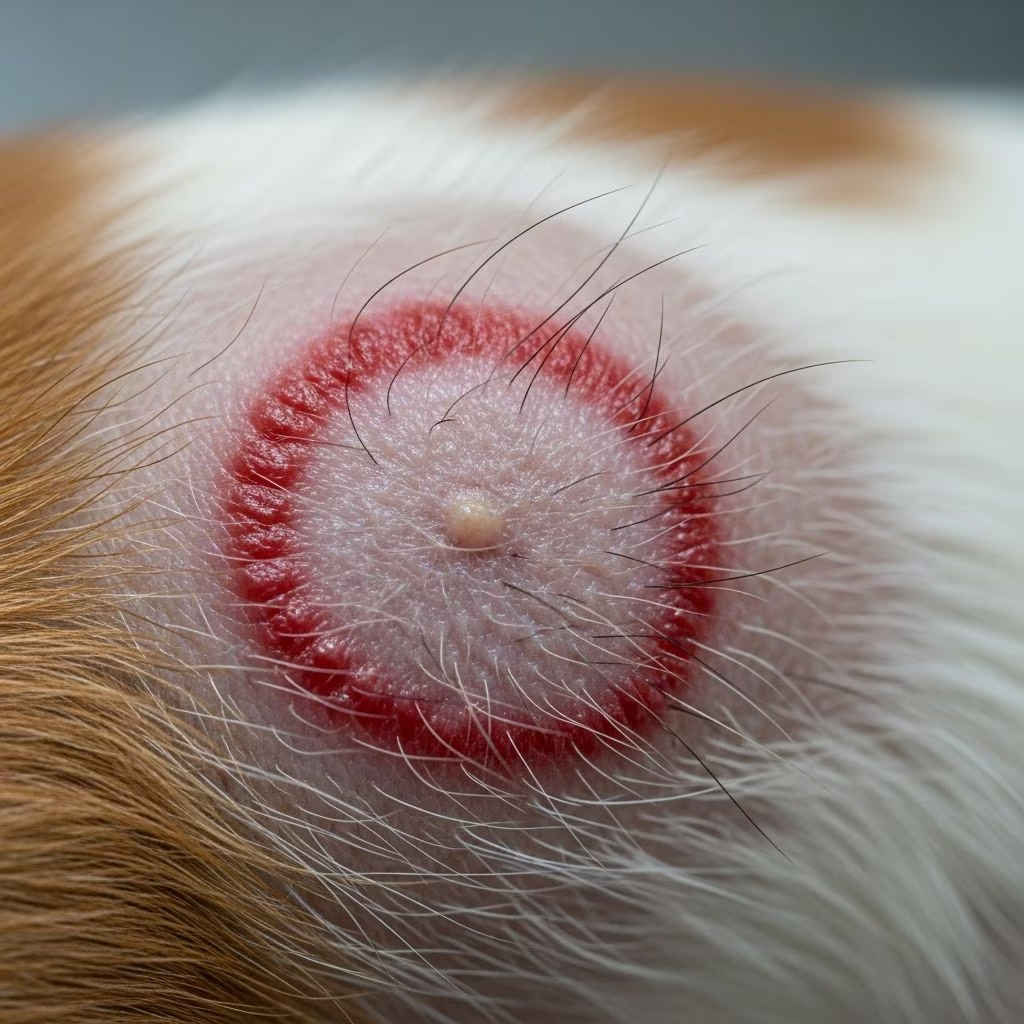
Understanding Ringworm in Dogs
Ringworm is a common fungal infection that affects dogs of all ages and breeds. Despite its name, ringworm is not caused by a worm but rather by a fungus called a dermatophyte. This infection can spread to other pets in your household and potentially to humans, making early detection and treatment essential. Understanding the signs, symptoms, and treatment options can help you manage this condition effectively and prevent it from spreading.
Ringworm infections in dogs are caused by fungal organisms that thrive in warm, moist environments. The infection typically manifests on the skin and hair of affected dogs, creating characteristic circular patches. While ringworm is generally not life-threatening, it can cause significant discomfort and requires proper veterinary care to resolve completely.
Signs and Symptoms of Ringworm
Recognizing the signs of ringworm is the first step toward getting your dog proper treatment. The symptoms can vary depending on the severity of the infection and the individual dog’s immune response. Here are the primary indicators to watch for:
- Circular hair loss: The most distinctive sign of ringworm is circular or patchy areas of baldness on your dog’s skin
- Dry, brittle hair: Affected hair becomes fragile and breaks easily
- Scaly or crusty skin: The infected areas may appear scaly, resembling dandruff, or develop crusts and scabs
- Inflamed skin: Red, irritated skin may develop around the affected areas
- Brittle claws: Nails can become rough, discolored, and brittle
- Itchiness: While not always present, some dogs may experience mild to moderate itching
- Darkened or reddened skin: The skin beneath the hair loss may appear darker or unusually red
Interestingly, ringworm is not usually intensely itchy, which distinguishes it from other skin conditions. However, the visible damage to the coat and skin can be quite alarming for pet owners. If you notice any of these symptoms, it is important to schedule a veterinary appointment promptly.
How Ringworm Is Diagnosed
Proper diagnosis is crucial for effective treatment. Your veterinarian will use several diagnostic methods to confirm ringworm and rule out other skin conditions that may appear similar.
Diagnostic Methods
The diagnosis process typically includes the following approaches:
- Physical examination: Your vet will carefully inspect the affected areas, looking for characteristic circular patches, hair loss, redness, crusting, and scaling
- Wood’s lamp examination: A special ultraviolet light called a Wood’s lamp may be used to examine the infected hairs. Some types of ringworm glow under this light, though not all fungal infections will show this characteristic
- Fungal culture: A sample of hair or skin cells may be collected and sent to a laboratory for fungal culture. This test can identify the specific fungus causing the infection and help determine the most effective treatment
- Microscopic examination: Hair and skin samples may be examined under a microscope to identify fungal elements
Your veterinarian may use one or a combination of these methods to make an accurate diagnosis. The fungal culture is considered the gold standard for confirming ringworm, as it definitively identifies the causative organism.
Treatment Options for Ringworm
Treatment for ringworm in dogs typically involves a comprehensive approach that combines multiple strategies. The specific treatment plan will depend on the severity of the infection, the number of pets in your household, and whether there are children or immunocompromised individuals in your home.
Three-Step Treatment Approach
Most veterinarians recommend a treatment protocol that includes:
- Topical therapy (creams, ointments, or medicated shampoos)
- Oral medications (antifungal drugs taken by mouth)
- Environmental decontamination (cleaning the home and removing fungal spores)
Topical Therapy
Topical treatments are essential components of ringworm management. Your veterinarian will likely recommend one or more of the following topical options:
Medicated Shampoos: The most common topical treatment involves bathing your dog twice weekly with an antifungal shampoo. These shampoos often contain antifungal medications such as enilconazole, econazole, or miconazole, frequently combined with chlorhexidine, a disinfectant that enhances effectiveness. Popular products include Malaseb or Sebazole Shampoo. These shampoos work to decrease the number of dermatophytes on your dog’s skin and hair while reducing the risk of transmission.
Creams and Ointments: For localized infections affecting only one or two small areas, antifungal creams or ointments may be applied directly to the affected skin. However, research indicates that ointments alone are generally not as effective as shampoos for treating ringworm in dogs.
Hair Management: Your veterinarian may recommend clipping long-haired dogs to speed up treatment and promote healing. For dogs with minimal affected areas, shaving may be limited to those specific regions. It is important to use clippers rather than scissors to avoid accidentally cutting the skin. Remove and safely dispose of all clipped hair, as it may contain fungal spores.
Topical therapy typically needs to continue for several weeks to several months, depending on the extent of the infection and your dog’s response to treatment.
Oral Medications
Oral antifungal medications are usually prescribed in conjunction with topical treatments, especially for severe or widespread infections. These systemic treatments are designed to target the fungus in areas where topical treatments cannot effectively reach, such as within the hair follicles.
Common Oral Antifungal Medications: Veterinarians commonly prescribe medications such as itraconazole, ketoconazole, fluconazole, and terbinafine. These medications work from within the body to eliminate the fungal infection systemically.
Treatment with oral medications typically needs to continue for a minimum of six weeks, and in some cases may extend for several months. Most experts recommend continuing treatment until fungal culture or PCR tests show that the fungus can no longer be detected, which may take between four to eight weeks for most cases.
Important Treatment Guidelines: It is crucial not to abruptly stop treatment or discontinue medications sooner than recommended by your veterinarian, as the infection may recur or persist.
Environmental Decontamination
Environmental decontamination is a critical component of successful ringworm treatment. Fungal spores can survive in the environment and reinfect your dog or spread to other pets and family members if not properly addressed.
Cleaning Strategies: Many pet owners find it helpful to temporarily confine their infected dog to a room with hard flooring that is easy to clean. This containment reduces the spread of fungal spores throughout the home. In these designated areas, you should:
- Regularly mop floors with a disinfectant recommended by your veterinarian
- Eliminate stray hairs from infected dogs promptly
- Wash and disinfect all bedding, toys, and grooming tools
- Regularly clean pet blankets and bedding from your dog’s quarters
- Remove any pet hair from furniture and surfaces
If complete containment is not possible, implement a daily vacuuming schedule using a pet hair vacuum and regularly remove hair from furniture and other surfaces. All materials removed from your dog’s environment should be carefully disposed of to prevent accidental exposure to fungal spores.
Monitoring Treatment Progress
Regular monitoring is essential to ensure treatment is effective and to determine when it is safe to discontinue medications. Your veterinarian will likely recommend periodic fungal cultures to track the progress of treatment. Ideally, fungal cultures should be performed every two to three weeks after starting treatment to confirm that the fungal organisms are being eliminated.
Treatment should not be stopped until follow-up testing shows that fungal organisms are no longer present and your veterinarian gives you specific instructions to discontinue medications. Premature cessation of treatment can result in recurrence of the infection or incomplete resolution.
Prevention of Ringworm in Dogs
While most dogs do not require ringworm prevention on a regular basis, if your pet has had ringworm or you have multiple pets, implementing preventive measures is important to avoid reinfection or transmission.
Prevention Strategies
- Environmental cleanliness: Maintain a clean home environment by regularly vacuuming and disinfecting common areas where your pets spend time
- Bedding and blankets: Regularly wash and sanitize your dog’s bedding, blankets, and other items they contact frequently
- Grooming tools: Clean and disinfect all grooming brushes, combs, and tools regularly. Dispose of any hair removed during grooming promptly
- Pet isolation: If you suspect ringworm in any pet, isolate the affected animal from other pets and family members while treatment is ongoing
- Regular monitoring: Watch all pets in your household for signs of ringworm, especially if one pet has been infected
- Veterinary guidance: Follow all instructions provided by your veterinarian to fully cleanse the environment and prevent reinfection
Silent Carriers and Household Considerations
It is important to understand that pets can be silent carriers of ringworm, meaning they are infected but not showing any visible signs. Once one pet in your household has been diagnosed with ringworm, all other pets should be tested by your veterinarian. In some cases, your veterinarian may recommend treating all animals in the household together, even if they are not showing symptoms.
Ringworm can potentially transmit to humans, particularly those with weakened immune systems or young children. Proper hygiene practices, including regular hand washing after handling an infected pet, can help reduce this risk.
Recovery and Prognosis
In healthy dogs, ringworm infection is typically self-limiting, meaning it can eventually resolve on its own. However, professional veterinary treatment significantly accelerates recovery and reduces the time needed for the infection to resolve. With proper care and consistent treatment, most dogs recover completely from ringworm and regain healthy skin and coat.
Recovery time varies depending on factors such as the severity of the infection, the extent of affected areas, your dog’s immune system, and treatment adherence. Some cases may resolve within a few weeks, while more severe infections may require several months of treatment.
Frequently Asked Questions
Q: Will ringworm go away on its own?
While ringworm can eventually clear up on its own in healthy dogs, professional veterinary treatment is recommended to speed recovery, reduce discomfort, and prevent transmission to other pets and family members.
Q: Can humans get ringworm from dogs?
Yes, ringworm can potentially spread from dogs to humans. People with weakened immune systems are at higher risk. Practice good hygiene, including hand washing, after handling an infected dog.
Q: How long does ringworm treatment take?
Treatment typically continues for several weeks to several months. Most cases show improvement within four to eight weeks when using combined topical and oral medications, but treatment should continue until fungal cultures confirm complete elimination of the fungus.
Q: Should I isolate my dog with ringworm?
It is recommended to isolate an infected dog from other pets and limit contact with family members during treatment to reduce transmission risk. Keeping the dog in an easily cleaned area can also help prevent environmental contamination.
Q: What happens if I stop treatment early?
Stopping treatment prematurely can result in recurrence of the infection or incomplete resolution. Always continue treatment as directed by your veterinarian until follow-up testing confirms the fungus is eliminated.
References
- Ringworm in Dogs: Signs, Symptoms, Treatment — American Kennel Club. https://www.akc.org/expert-advice/health/ringworm-in-dogs/
- Ringworm in Dogs — VCA Animal Hospitals. https://vcahospitals.com/know-your-pet/ringworm-in-dogs
- Ringworm in Dogs – Symptoms & Treatment — Perth Vet Care. https://perthvetcare.com.au/pet-library/ringworm-in-dogs/
- Ringworm in Dogs — PetMD. https://www.petmd.com/dog/conditions/skin/c_dg_dermatophytosis
- Ringworm and Pets — California Department of Public Health. https://www.cdph.ca.gov/Programs/CID/DCDC/Pages/Ringworm.aspx



