

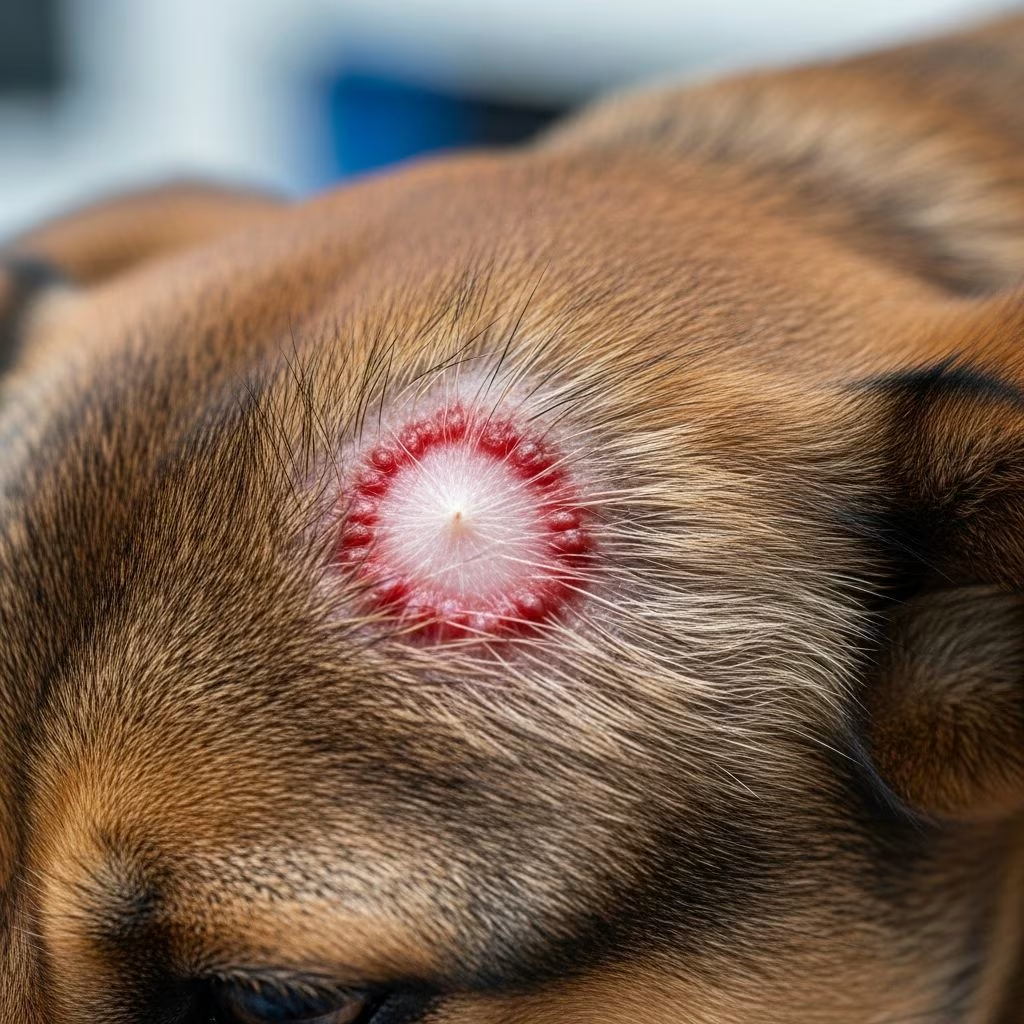
Ringworm in Dogs: A Comprehensive Guide to Treatment and Management
Ringworm, medically known as dermatophytosis, is a common fungal infection that affects dogs of all ages and breeds. Despite its name, ringworm is not caused by a worm but rather by a fungus that infects the skin, hair, and nails of affected animals. About 70% of ringworm cases in dogs are caused by the fungus Microsporum canis, making it one of the most prevalent dermatological conditions veterinarians encounter. While ringworm is not life-threatening, it is highly contagious to other pets and humans, requiring prompt veterinary intervention and proper treatment protocols.
Understanding Ringworm Infection in Dogs
Ringworm affects dogs through dermatophyte fungi that feed on hair, nails, and dead skin cells. The infection typically begins when the fungus infects a single hair shaft, gradually spreading to surrounding hairs. This progressive pattern leads to the characteristic circular lesions that give the condition its distinctive appearance. The fungal spores are extremely resilient and can survive in the environment for extended periods, making ringworm one of the most challenging fungal infections to eliminate completely.
The incubation period for ringworm can last up to three weeks before symptoms become visible on an infected dog. During this time, an infected animal may already be shedding spores and transmitting the infection to other pets and people without any visible signs of disease. This asymptomatic transmission period makes ringworm particularly problematic in multi-pet households.
Clinical Signs and Symptoms
Recognizing the signs of ringworm is essential for early detection and treatment. The most common areas affected by ringworm in dogs include the face, ears, tail, and feet, though the infection can spread to other body areas as the condition progresses. Dog owners should watch for the following clinical manifestations:
- Circular areas of hair loss often with a red and crusty edge
- Bare patches of alopecia that may become noticeable when petting your dog
- Broken hair and poor coat quality
- Raised, crusty bumps around hair follicles and acne-like lesions
- Dry, scaly skin or excessive dandruff formation
- Itchiness causing scratching, licking, or excessive grooming behaviors
- Inflamed areas of skin with redness and irritation
- Darkened patches of skin in affected regions
- Nail involvement including deformed, brittle, or broken nails
In severe cases, large areas of alopecia can develop as infected hairs break off, and the entire body may become affected if left untreated. Some dogs develop secondary bacterial infections alongside the fungal infection, which can complicate treatment and require additional therapeutic interventions.
Diagnosis of Ringworm
Proper diagnosis is crucial before beginning any treatment regimen. Veterinarians employ several diagnostic methods to confirm ringworm infection:
- Fungal culture – Hair and skin scrapings are cultured to identify the specific fungal organism; this is the most accurate diagnostic method
- Wood’s lamp examination – Infected hairs are examined under ultraviolet light, which may reveal fluorescent patterns characteristic of certain ringworm species
- Direct microscopic examination – Hair samples and skin scales are examined under a microscope to detect fungal elements
- Physical examination – Visual assessment of skin lesions and affected areas
Fungal cultures typically take one to two weeks to produce results, making them slower than other diagnostic methods. However, they provide definitive identification of the causative organism and allow veterinarians to tailor treatment protocols accordingly.
How is Ringworm in Dogs Treated?
Successful ringworm treatment in dogs requires a comprehensive, multi-faceted approach. The most effective treatment strategy combines topical therapy, systemic (oral) medication, and environmental decontamination. The specific treatment plan depends on the severity of infection, the number of pets in the household, and whether immunocompromised individuals or children live in the home. Treatment duration typically extends from a minimum of six weeks to several months, depending on the organism involved and the individual dog’s response.
Topical Treatment for Canine Ringworm
Topical therapy forms the foundation of ringworm treatment and aims to decrease the number of dermatophytes present on the dog’s hair and skin while reducing transmission risk to other animals and people. Topical treatment alone may occasionally be sufficient for mild, localized infections, but it is most commonly used in conjunction with oral medication for optimal results.
Medicated Shampoos
The most common topical treatment involves twice-weekly bathing using specialized anti-fungal shampoos. These shampoos typically contain anti-fungal medications combined with disinfectants to enhance effectiveness. Common active ingredients include:
- Miconazole (Micaved®)
- Terbinafine (Lamisil®)
- Clotrimazole (Otomax® or Otibiotic®)
- Enilconazole
- Econazole
These medications are frequently combined with chlorhexidine, a powerful disinfectant that enhances the anti-fungal properties of the shampoo. The chlorhexidine-miconazole combination has proven particularly effective in managing ringworm infections.
Lime-Sulfur Dips
Lime-sulfur dips represent one of the most effective topical treatments available for ringworm, though they are more challenging to administer than shampoos. These dips can be applied at home or at a veterinary hospital and are typically used twice weekly in conjunction with other treatments. While highly effective at eliminating fungal spores, lime-sulfur dips are notoriously messy, malodorous, and can temporarily discolor light-colored coats, leading many pet owners to prefer professional application at their veterinarian’s office.
Creams and Ointments
For localized ringworm infections affecting only one or two small areas, veterinarians may recommend topical creams and ointments containing miconazole, terbinafine, or clotrimazole. These preparations are applied directly to affected skin areas and are particularly useful for dogs with limited infection sites. However, creams and ointments require careful application and must be used only as recommended by the veterinarian.
Hair Clipping and Shaving
Clipping or shaving infected areas significantly accelerates healing and improves the effectiveness of topical medications. For dogs with only one or two affected areas, shaving just those regions using scissors may be sufficient. For more generalized disease affecting multiple body areas, veterinarians typically recommend clipping all of the dog’s hair to maximize treatment effectiveness and reduce environmental contamination. It is essential to use only clippers and techniques recommended by your veterinarian to avoid worsening the condition.
Topical treatment typically requires application for several weeks to several months to completely eliminate the infection. Pet owners must follow their veterinarian’s instructions precisely, as inconsistent application can lead to treatment failure and infection recurrence.
Oral Medications for Ringworm Treatment
In most cases of ringworm, effective treatment requires the administration of oral anti-fungal medication. Oral therapy attacks the fungal infection at its source within the hair follicles, areas where topical treatments cannot effectively penetrate. These systemic medications work by preventing the fungus from reproducing and spreading throughout the infected tissues.
Commonly Prescribed Oral Anti-Fungals
Veterinarians have several effective oral anti-fungal options available, each with different efficacy profiles and potential side effects:
- Itraconazole (Itrafungol®, Sporanox®) – Preferred option with fewer side effects
- Terbinafine (Lamisil®) – Another preferred option with good efficacy and fewer side effects
- Griseofulvin (Fulvicin®, Gris-Peg®) – Effective but carries greater risk of adverse effects
- Ketoconazole – Alternative systemic treatment option
- Fluconazole – Additional systemic medication choice
Itraconazole and terbinafine are typically favored due to their superior efficacy and lower incidence of adverse reactions. Griseofulvin, though effective, has fallen somewhat out of favor because it carries a higher risk of gastrointestinal and hepatic side effects.
Treatment Duration and Monitoring
Oral anti-fungal medications require consistent administration for a minimum of six weeks, with many cases requiring treatment for considerably longer periods. Most veterinarians recommend continuing treatment until fungal cultures confirm that the organism can no longer be detected, a process that typically takes four to eight weeks but can extend longer in stubborn cases.
It is critically important that pet owners do not abruptly stop treatment or discontinue medication sooner than recommended. Premature cessation of therapy significantly increases the risk of infection recurrence. Your veterinarian will conduct periodic fungal cultures to monitor treatment progress and determine when it is safe to discontinue medication.
Managing Side Effects
Gastrointestinal upset represents the most common side effect associated with oral anti-fungal medications. Pet owners should monitor their dogs for vomiting, diarrhea, decreased appetite, or other digestive disturbances. If side effects occur, veterinarians can adjust dosages, switch to alternative medications, or recommend administration with food to minimize gastrointestinal irritation.
Environmental Decontamination
A critical but often overlooked aspect of ringworm treatment involves eliminating fungal spores from the environment. Ringworm spores are remarkably resilient and can persist on surfaces, bedding, grooming tools, and household items for extended periods. Comprehensive environmental decontamination includes:
- Regular cleaning of food and water bowls, toys, and other items the infected dog contacts
- Disinfection of hard surfaces using appropriate anti-fungal disinfectants
- Frequent washing of bedding, blankets, and other fabric items at high temperatures
- Cleaning of grooming tools and brushes with disinfectant solutions
- Vacuuming of carpeted areas to remove shed hairs and fungal spores
- Isolation of infected animals to limit spore distribution throughout the home
Multi-Pet Households and Treatment Considerations
In households with multiple pets, ringworm presents particular challenges. The treatment plan must account for the number of animals present and the infection status of other household members. In some cases, veterinarians recommend treating all animals in the home prophylactically, even if some show no visible signs of infection. This approach helps prevent transmission and accelerates disease resolution. In other cases, strict isolation of the infected animal is preferred to prevent spread to unaffected pets.
When Bacterial Infection Complicates Ringworm
Bacterial skin infections can resemble ringworm clinically and frequently occur alongside fungal infections. If your veterinarian identifies bacterial involvement, they may prescribe antibiotics as part of your dog’s comprehensive treatment plan. Addressing both fungal and bacterial components is essential for optimal healing and preventing complications.
Treatment Monitoring and Follow-Up
Regular monitoring throughout the treatment course is essential to ensure effectiveness and detect any complications early. Veterinarians will conduct periodic fungal cultures to assess treatment progress and confirm elimination of the infectious organism. These follow-up appointments typically occur every 2-4 weeks, depending on the severity of infection and individual case factors. Treatment should continue until fungal cultures confirm complete eradication of the organism.
Frequently Asked Questions About Ringworm in Dogs
Q: Is ringworm contagious to humans?
A: Yes, ringworm is contagious to humans. This zoonotic infection can be transmitted through direct contact with infected animals or contaminated surfaces. People with compromised immune systems, children, and elderly individuals face higher transmission risk. Practice good hygiene, including hand washing after handling infected dogs, and avoid sharing bedding or towels.
Q: How long does ringworm treatment typically take?
A: Treatment duration varies but typically requires a minimum of six weeks to several months. Most cases resolve within 4-8 weeks with consistent treatment, though some stubborn infections may require longer therapy. Continuing treatment until fungal cultures confirm eradication is essential.
Q: Can ringworm clear up on its own without treatment?
A: In healthy animals, ringworm can eventually be self-limiting, but systemic treatment significantly reduces the time needed for resolution. Moreover, untreated ringworm poses transmission risks to other pets and household members, making professional veterinary treatment essential.
Q: Should I isolate my infected dog from other pets?
A: Isolation decisions depend on your specific situation. Your veterinarian will provide recommendations based on the infection severity and your household composition. In some cases, prophylactic treatment of all household pets is recommended, while in others, isolation is preferred.
Q: What should I do about my home if my dog has ringworm?
A: Implement thorough environmental decontamination by regularly cleaning and disinfecting surfaces, washing bedding frequently at high temperatures, vacuuming carpeted areas, and disinfecting grooming tools and bowls. This prevents spore persistence and reduces transmission risk.
Q: Are there any side effects from oral anti-fungal medications?
A: The most common side effects include gastrointestinal upset such as vomiting and diarrhea. If your dog experiences side effects, contact your veterinarian immediately to discuss adjusting dosages or switching medications.
References
- Ringworm in Dogs: Signs, Symptoms, Treatment — American Kennel Club. 2024. https://www.akc.org/expert-advice/health/ringworm-in-dogs/
- Ringworm (Dermatophytosis) in Dogs – Merck Veterinary Manual — Merck & Co., Inc. 2024. https://www.merckvetmanual.com/dog-owners/skin-disorders-of-dogs/ringworm-dermatophytosis-in-dogs
- Ringworm in Dogs | Symptoms & Treatments — Vets for Pets. 2024. https://www.vets4pets.com/pet-health-advice/dog-advice/ringworm-in-dogs/
- Ringworm in Dogs – Symptoms & Treatment — Perth Vet Care. 2024. https://perthvetcare.com.au/pet-library/ringworm-in-dogs/
- Ringworm in Dogs – PetMD — PetMD. 2024. https://www.petmd.com/dog/conditions/skin/c_dg_dermatophytosis
- Ringworm in Dogs | Treatment and Diagnosis — Blue Cross. 2024. https://www.bluecross.org.uk/advice/dog/health-and-injuries/ringworm-in-dogs
- Ringworm – Signs, Diagnosis and Treatment — Vetwest Animal Hospitals. 2024. https://www.vetwest.com.au/pet-library/ringworm-signs-diagnosis-and-treatment/



