

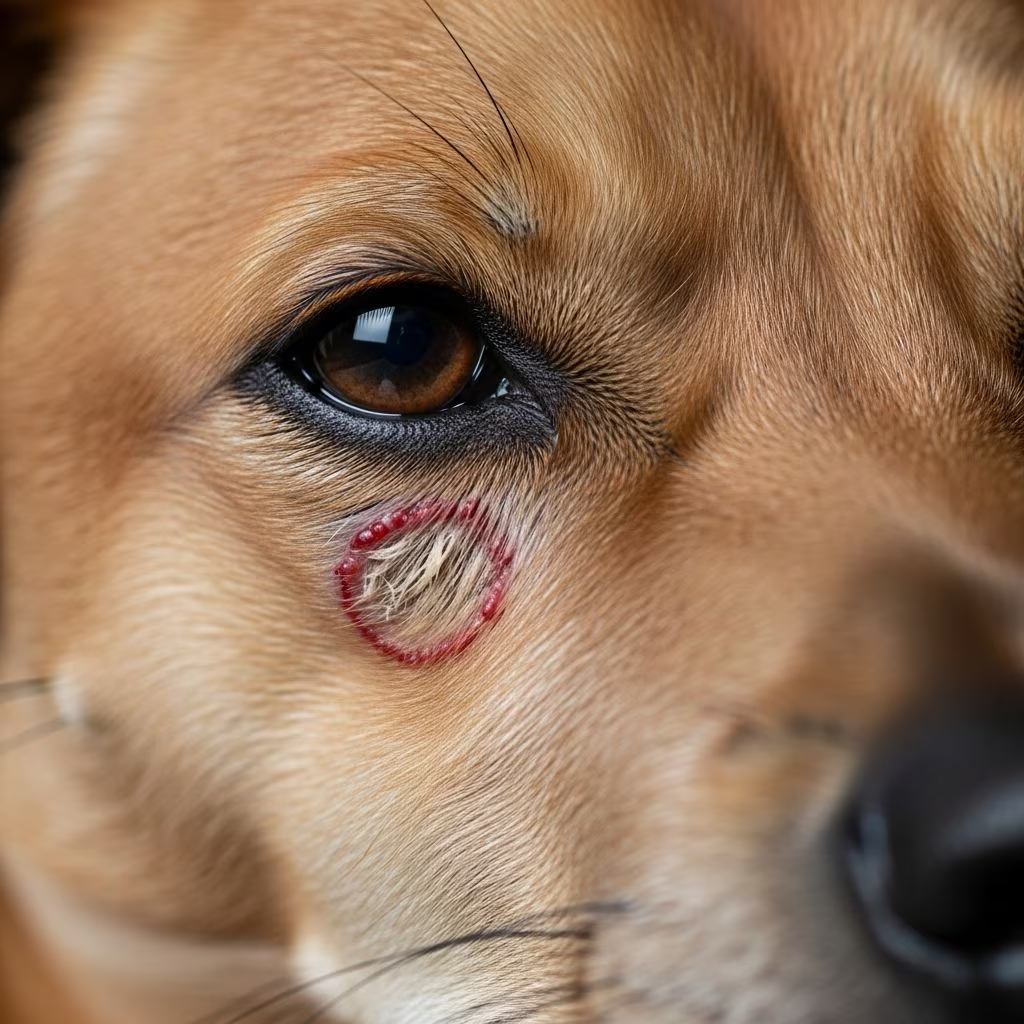
Ringworm is a common fungal infection that affects dogs of all ages and breeds. Despite its name, ringworm is not caused by a worm but rather by dermatophytes—microscopic fungi that feed on keratin in the skin, hair, and nails. This contagious infection can spread to other animals and humans, making prompt recognition and treatment essential for protecting your entire household.
Understanding Ringworm in Dogs
Ringworm, medically known as dermatophytosis, is caused by fungal organisms that thrive in warm, moist environments. The infection typically appears as circular patches of hair loss, scaling, and inflammation on the skin. While many owners associate ringworm with a visible ring-shaped lesion, the infection can present in various ways depending on the severity and the dog’s immune response.
Dogs contract ringworm through direct contact with infected animals, contaminated environments, or infected soil. The condition is zoonotic, meaning it can transfer between animals and humans, making it a concern for household members as well.
Recognizing Ringworm Symptoms
Early detection of ringworm is crucial for effective treatment and preventing spread. Understanding the signs helps pet owners seek veterinary care promptly. Common symptoms include:
- Circular patches of hair loss, typically starting on the head, ears, or limbs
- Scaly, red, or inflamed skin in affected areas
- Brittle or broken fur and nails
- Itching or discomfort in affected areas
- Crusting or oozing from lesions
- Nail infections or thickened, brittle nails
It’s important to note that some infected dogs may show no visible symptoms while still carrying the fungus. These silent carriers can transmit the infection to other animals and people without displaying any signs themselves.
Diagnosis and Professional Assessment
Many skin conditions in dogs can resemble ringworm, so veterinary diagnosis is essential. Your veterinarian may use several diagnostic methods to confirm ringworm, including fungal culture, Wood’s lamp examination (which causes some ringworm fungi to fluoresce under ultraviolet light), or PCR testing. Fungal cultures are particularly important because they help determine the specific fungal species involved and establish a baseline for monitoring treatment progress.
Treatment Options for Ringworm
Treating ringworm in dogs usually consists of three coordinated steps: topical therapy, oral medications, and environmental decontamination. The specific treatment plan depends on the infection’s severity, the dog’s overall health, and whether the infection is localized or widespread.
Topical Therapy
Topical treatments are applied directly to affected areas and help reduce the number of fungal spores on the dog’s skin and fur. Your veterinarian will probably recommend topical therapy as part of a comprehensive treatment strategy.
Medicated Shampoos: The most common topical treatment involves bathing your dog twice weekly with medicated shampoos containing antifungal medications like enilconazole, econazole, or miconazole combined with disinfectants such as chlorhexidine. Bathing is a critical part of treatment as it removes and kills fungal spores on your dog’s fur. These products work best when used consistently as directed by your veterinarian, and treatment typically continues for several weeks to several months.
Creams and Ointments: For lesions on difficult-to-wash areas such as the head and ears, miconazole creams can be applied directly. However, it’s important to note that ointments or other topically applied medications alone have not been shown to be effective against ringworm infections without supplementary treatment. Always use only preparations specifically recommended by your veterinarian.
Lime-Sulfur Dips: Your veterinarian may recommend lime-sulfur dips used twice weekly alongside shampoo treatments. These dips provide additional antifungal protection and help eliminate fungal spores more effectively.
Coat Clipping: For dogs with very long coats, your veterinarian may recommend clipping the hair around affected areas to speed up treatment and improve the effectiveness of topical medications. However, shaving dogs with very long coats is not recommended because shaving can cause microtrauma to the skin, making the dog more susceptible to infection. Instead, careful clipping with proper clippers (not scissors) helps prevent accidental skin cuts while removing contaminated hair.
Oral Medications
Systemic antifungal treatment targets the fungus in places where topical treatments cannot reach, such as deep within hair follicles. In most cases, oral and topical measures are recommended together for optimal effectiveness.
Common oral antifungal medications include itraconazole, ketoconazole, fluconazole, and terbinafine, available as tablets. Treatment protocols vary, but most experts recommend continuing medications until diagnostic tests show the fungus can no longer be detected. This process typically takes between four and eight weeks. Your veterinarian will work with you to find the right medication based on your dog’s health status and response to treatment, as different antifungals have varying costs and potential side effects, with gastrointestinal issues being the most common.
It’s critical not to abruptly stop treatment or discontinue it sooner than recommended by your veterinarian, as premature cessation can lead to infection recurrence.
Environmental Decontamination
For treatment to be successful, all environmental contamination must be eliminated. Ringworm fungal spores can survive in the environment for up to two years, making thorough decontamination essential for preventing reinfection and transmission to other animals and household members.
Effective environmental decontamination involves:
- Regular vacuuming of all floors and furniture, particularly areas where your dog spends time
- Washing all bedding, blankets, and soft furnishings in hot water regularly
- Disinfecting other common areas where pets spend time
- Disposing of contaminated pet hair from grooming brushes immediately
- Cleaning and disinfecting all tools and items the infected dog contacts
- Removing pet hair from floors and furniture carefully, as it may contain fungal spores
Taking time to eliminate environmental contamination reduces the risk of transmitting the disease to other animals and people, and can significantly reduce the duration of treatment if using fungal culture or PCR testing as a benchmark for when to discontinue treatment.
Preventing Spread of Ringworm
While your dog undergoes treatment, minimizing the risk of infection spread is crucial. Key prevention measures include:
- Regularly cleaning and disinfecting your home, particularly areas where the infected dog rests
- Isolating your infected pet from other animals in the household
- Practicing good hand hygiene after touching your infected pet
- Washing hands thoroughly before and after handling the infected dog
- Keeping the infected dog’s grooming tools separate from other pets’ tools
- Wearing gloves when handling infected areas or contaminated bedding
If you have multiple pets, consult with your veterinarian about whether all animals should be treated together or if selective treatment is appropriate for your situation.
Recovery and Monitoring
Treatment generally continues for weeks to months and should not be stopped until follow-up testing confirms that fungal organisms are cleared and your veterinarian approves discontinuation. Ideally, fungal cultures should be performed every 2-3 weeks after starting treatment to monitor progress.
It’s important to recognize that pets can be silent carriers of ringworm—infected without showing symptoms. Once a pet is diagnosed, all other pets in the home should be tested to identify potential carriers. This ensures comprehensive management of the infection within your household.
Preventing Ringworm in Dogs
Prevention strategies differ from those used for other conditions like fleas, as there are no standard preventive treatments or vaccines for ringworm. However, you can reduce infection risk through several practices:
- Regularly inspect your dog for any signs of skin issues, especially if they frequently interact with other animals or play in communal spaces
- When introducing a new pet to your home, have them checked by a veterinarian to ensure they’re not bringing ringworm or other infections
- Minimize your dog’s exposure to infected animals and contaminated environments
- Maintain proper hygiene when visiting environments where ringworm may be present
- Keep your dog’s immune system strong through proper nutrition and regular veterinary care
The best ways to prevent reinfection of ringworm are to fully cleanse the environment of your home and disinfect any tools and bedding that animals regularly come into contact with, while following your veterinarian’s instructions carefully.
Natural Home Remedies Considerations
While some pet owners prefer natural treatment approaches, ringworm home remedies are generally only beneficial in the mildest cases, such as a single localized lesion. Natural remedies should never replace professional veterinary care, especially for moderate to severe infections. Always consult your veterinarian before attempting any home treatment, as improper care may worsen the infection or delay recovery.
When to Seek Veterinary Care
Contact your veterinarian if you notice:
- Circular patches of hair loss on your dog’s skin
- Scaling or inflammation in affected areas
- Brittle or broken nails
- Signs of itching or discomfort
- Any skin condition that doesn’t improve with regular grooming
Early veterinary intervention improves treatment outcomes and reduces the risk of spreading infection to other animals and household members.
Frequently Asked Questions
Q: Can ringworm in dogs spread to humans?
A: Yes, ringworm is zoonotic and can transfer from dogs to humans. Good hand hygiene and proper handling of infected pets minimize this risk.
Q: How long does ringworm treatment take?
A: Treatment typically continues for weeks to months, with most cases requiring four to eight weeks of oral medication combined with topical therapy. Treatment should continue until follow-up testing confirms fungal clearance.
Q: Can ringworm clear up on its own?
A: In healthy animals, ringworm infection is usually self-limiting and may clear on its own. However, veterinary treatment significantly reduces healing time and prevents spread to other animals and people.
Q: Should I isolate my dog during ringworm treatment?
A: Yes, isolating your infected pet from other animals during treatment helps prevent transmission. Consult your veterinarian about the appropriate isolation period based on your specific situation.
Q: What should I do with my dog’s bedding during treatment?
A: Wash all bedding regularly in hot water and disinfect other areas where your dog spends time. This removes fungal spores and helps prevent reinfection and transmission.
Q: Can I treat ringworm with just topical medications?
A: Topical treatments alone are generally not sufficient. The most effective approach combines topical therapy with oral antifungal medications.
References
- Ringworm in Dogs: Symptoms, Causes and Treatment — Veg. Accessed January 2026. https://www.veg.com/post/ringworm-in-dogs
- Ringworm in Dogs — VCA Animal Hospitals. Accessed January 2026. https://vcahospitals.com/know-your-pet/ringworm-in-dogs
- Ringworm in Dogs: Signs, Symptoms, Treatment — American Kennel Club. Accessed January 2026. https://www.akc.org/expert-advice/health/ringworm-in-dogs/
- Ringworm – Signs, Diagnosis and Treatment — Vetwest. Accessed January 2026. https://www.vetwest.com.au/pet-library/ringworm-signs-diagnosis-and-treatment/
- Ringworm in Dogs – Symptoms & Treatment — Perth Vet Care. Accessed January 2026. https://perthvetcare.com.au/pet-library/ringworm-in-dogs/
- Ringworm in Dogs — PetMD. Accessed January 2026. https://www.petmd.com/dog/conditions/skin/c_dg_dermatophytosis
- Ringworm and Pets — California Department of Public Health (CDPH). Accessed January 2026. https://www.cdph.ca.gov/Programs/CID/DCDC/Pages/Ringworm.aspx
- Ringworm in Dogs — People’s Dispensary for Sick Animals (PDSA). Accessed January 2026. https://www.pdsa.org.uk/pet-help-and-advice/pet-health-hub/conditions/ringworm-in-dogs/



