
Ringworm in Dogs: Symptoms, Diagnosis, and Treatment
Complete guide to recognizing, diagnosing, and treating ringworm infections in dogs effectively.
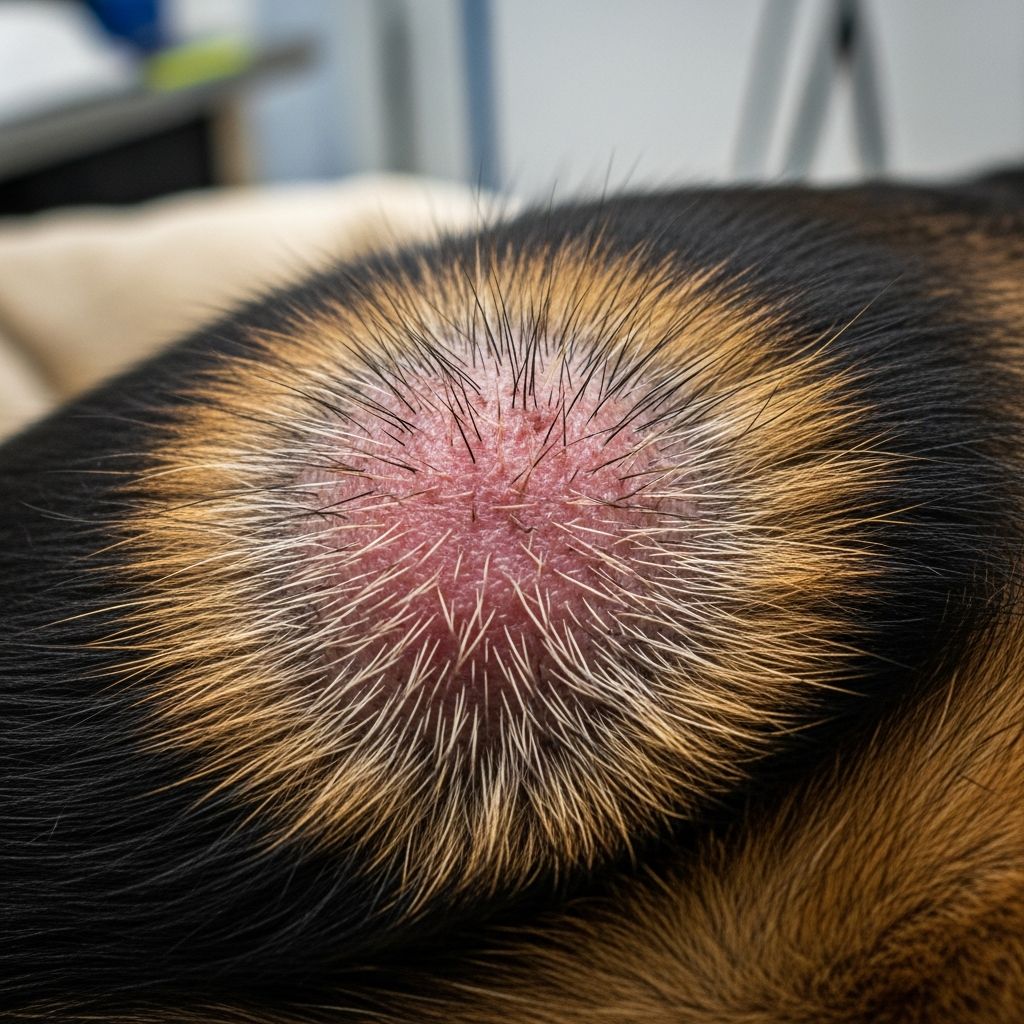
Understanding Ringworm in Dogs
Ringworm is a common fungal skin infection that affects dogs of all ages and breeds, though certain populations are more susceptible than others. Despite its name, ringworm is not caused by a worm at all but rather by a fungal infection affecting the top layers of the skin and hair. This condition is highly contagious and can spread from dogs to other animals and to humans, making early detection and treatment essential for household health and pet well-being.
The fungal spores that cause ringworm thrive in warm, damp environments such as soil, kennels, and grooming facilities. Dogs can contract ringworm through direct contact with infected animals or by spending time in contaminated environments where infected animals have shed fungal spores. Understanding the nature of this infection is the first step toward protecting your canine companion and preventing its spread throughout your household.
What Causes Ringworm in Dogs?
Ringworm in dogs is caused by three primary fungal species, each accounting for a specific percentage of cases. Microsporum canis is responsible for approximately 70 percent of ringworm infections in dogs, making it the most common culprit. Microsporum gypseum accounts for about 20 percent of cases, while Trichophyton mentagrophytes causes the remaining 10 percent of infections.
Dogs become infected through various pathways. Direct contact with another infected animal is a common transmission route, but dogs don’t necessarily need to touch an infected animal to contract the disease. Ringworm spores can persist in environments for extended periods, contaminating kennels, daycares, grooming facilities, and veterinary clinics. Dogs who spend considerable time outdoors digging in soil face increased infection risk, as ringworm spores naturally inhabit soil environments. Additionally, dogs with compromised skin due to scratching from allergies or other skin conditions are particularly vulnerable to infection.
Recognizing the Symptoms of Ringworm
Ringworm symptoms in dogs can vary significantly between individual animals and depend on the severity of the infection. Some dogs may remain asymptomatic while still carrying and shedding infectious spores, making ringworm particularly challenging to identify in some cases.
Common clinical signs of ringworm include:
- Patches of hair loss or broken hairs
- Red, inflamed skin
- Scaly or scabbed patches of skin
- Dry, flaky skin
- Rash or skin lesions of various shapes and sizes
- Brittle or abnormal nail growth
- Acne-like bumps on the skin
- Itchy skin (though less common than with other skin conditions)
Ringworm lesions typically appear on the face, ear tips, tail, and feet but can develop anywhere on the body. Contrary to the condition’s name, the lesions are not always circular or ring-shaped as they commonly appear in humans; canine lesions may present in various configurations. The skin lesions usually begin as small patches and gradually expand. Importantly, many infected dogs show no visible symptoms whatsoever, yet they can still transmit the infection to other animals and people through shed hair and skin flakes.
Diagnosis of Ringworm in Dogs
Obtaining an accurate diagnosis from a veterinarian is crucial before beginning treatment, as ringworm symptoms closely resemble numerous other canine skin conditions. Each skin condition requires a specific treatment protocol, and treating the wrong condition could delay proper care and allow the infection to progress.
Veterinarians employ several diagnostic methods to confirm ringworm infection. A Wood’s lamp examination, where ultraviolet light is used to examine the skin, may reveal characteristic fluorescence in some cases, though not all ringworm fungi fluoresce under this light. Fungal culture remains the most definitive diagnostic method, where samples of hair and skin are collected and cultured in a laboratory to identify the specific fungal species causing the infection. This process typically takes one to three weeks for results.
Your veterinarian may also perform a microscopic examination of plucked hairs and skin cells, though this method is less sensitive than fungal culture. Once ringworm is confirmed through testing, your vet will develop a comprehensive treatment plan tailored to your dog’s specific condition and circumstances.
Treatment Options for Canine Ringworm
Treating ringworm in dogs requires a multifaceted approach combining medication, environmental management, and pet isolation. While ringworm can theoretically resolve on its own in healthy dogs, this is rare and not recommended because of the contagious nature of the infection and its potential to spread to household members and other pets.
Antifungal Medications
The most effective ringworm treatment combines topical therapy with systemic therapy for comprehensive results. Oral antifungal medications work from within the dog’s system to combat the fungal infection, with treatment duration typically ranging from several weeks to several months depending on the infection’s severity and the individual dog’s response.
Topical treatments include medicated shampoos, creams, dips, sprays, and ointments applied directly to affected areas. These treatments help eliminate surface fungal spores and reduce lesion severity. Many dogs require a combination of oral medication and topical treatments for optimal results, as this approach addresses the infection both systemically and locally.
Hair Clipping and Environmental Management
Clipping hair from around ringworm lesions helps reduce the fungal spore load on the dog’s body. This practice, combined with rigorous home cleaning, is essential for preventing reinfection and transmission.
Environmental decontamination is absolutely critical to successful ringworm treatment. Ringworm spores are extremely hardy and can survive in the environment for weeks or even months, creating opportunities for reinfection of the treated dog or infection of other household members.
Effective home cleaning measures include:
- Thoroughly vacuuming all rugs, upholstery, curtains, and soft furnishings
- Mopping hard floors with appropriate cleaners
- Disinfecting all hard surfaces, including pet carriers, grooming tools, and furniture, with bleach solutions
- Washing all pet beds, leashes, blankets, toys, and human bedding in hot water
- Changing heating and air conditioning filters frequently
Pet Isolation and Precautions
Isolating the infected dog as much as possible during treatment helps prevent transmission to other pets and family members. Minimize direct contact with the affected dog, and practice thorough hand hygiene, including washing hands regularly after handling the infected pet or their belongings. This precaution is especially important in households with young children, elderly individuals, or immunocompromised family members, who face higher risk of contracting ringworm from infected pets.
Treatment Duration and Timeline
The timeline for complete ringworm recovery varies considerably depending on multiple factors. Complete elimination of ringworm typically requires a minimum of six weeks and often extends several months. Some cases may persist for even longer, particularly if the dog is repeatedly exposed to contaminated environments or if the infection is not treated aggressively from the start.
Dogs with ringworm remain contagious for approximately three weeks when aggressive treatment is implemented. However, infections last longer and remain contagious for extended periods if only minimal treatment measures are taken or if prescribed protocols are not followed consistently. Your veterinarian may conduct periodic fungal cultures during and after treatment to confirm that the infection has been fully eliminated. Two consecutive negative fungal cultures indicate successful treatment completion.
It’s essential to follow your veterinarian’s treatment recommendations completely and not discontinue medication prematurely. Stopping treatment too early can result in symptom recurrence and prolonged infection duration. Some dogs may require alternative antifungal medications if the initial treatment proves ineffective despite appropriate administration and environmental management.
Risk Factors and Prevention
Certain dogs face higher ringworm infection risk. Puppies under one year old, senior dogs, and dogs with compromised immune systems are particularly susceptible. Some breeds, such as Yorkshire Terriers, show greater predisposition to ringworm infection than other breeds. Dogs with existing skin conditions or broken skin from excessive scratching due to fleas or allergies are at increased risk, as the compromised skin barrier provides easier entry for fungal spores.
Prevention strategies include maintaining broad-spectrum parasite prevention to reduce flea-related skin damage, promptly treating any allergies or skin conditions your dog develops, and limiting your dog’s exposure to potentially contaminated environments such as heavily used dog parks or inadequately maintained grooming facilities. Regular grooming and maintaining your dog’s skin and coat health through proper nutrition also contributes to disease prevention.
Zoonotic Concerns: Can Humans Get Ringworm From Dogs?
Ringworm is classified as a zoonotic disease, meaning it can transmit from animals to humans. However, humans are more likely to contract ringworm from other infected humans than from their pets. When transmission does occur from dogs to humans, it typically affects individuals with compromised immune systems, very young children, or elderly family members. Practicing good hygiene, including frequent hand washing after handling an infected dog or their belongings, significantly reduces transmission risk to household members.
Prognosis and Recovery
Most dogs recover successfully from ringworm when treated appropriately and consistently. However, symptoms may recur if treatment is discontinued prematurely, if the treatment approach is not sufficiently aggressive, or if the dog has an underlying condition that compromises immune function. In rare cases, despite appropriate treatment, ringworm infection persists, necessitating alternative antifungal medications or adjusted treatment protocols.
Frequently Asked Questions About Canine Ringworm
Q: Can ringworm in dogs heal on its own?
A: While ringworm infections in healthy dogs are theoretically self-limiting and may resolve without treatment, this is rare in practice. Due to ringworm’s highly contagious nature, veterinary treatment, home disinfection, and pet isolation are strongly recommended to prevent spread to other household members and pets and to resolve the infection more quickly.
Q: How long does ringworm treatment take?
A: Successful ringworm treatment typically requires a minimum of six weeks, with many cases taking several months for complete resolution. Dogs may remain contagious for about three weeks with aggressive treatment, but infections last longer without consistent, thorough treatment measures.
Q: Can I treat my dog’s ringworm at home?
A: While home treatment components are essential—including medication administration, medicated bathing, environmental disinfection, and pet isolation—you must first obtain a veterinary diagnosis to ensure accurate identification and appropriate treatment. Many skin conditions resemble ringworm, and each requires different treatment protocols.
Q: What’s the fastest way to treat ringworm on a dog?
A: The fastest approach involves aggressive treatment combining oral antifungal medications, topical treatments like medicated shampoos, hair clipping around lesions, rigorous home disinfection, and strict pet isolation. Working closely with your veterinarian and following their recommendations precisely is essential for optimal results.
Q: Are certain dog breeds more susceptible to ringworm?
A: Yes, some breeds such as Yorkshire Terriers show greater susceptibility to ringworm than other breeds. Additionally, puppies, senior dogs, and dogs with compromised immune systems face increased infection risk regardless of breed.
References
- What to Do If Your Dog Has Ringworm — Vetster. 2024. https://vetster.com/en/wellness/what-to-do-if-your-dog-has-ringworm
- How to Treat Ringworm in Dogs — Vetster. 2024. https://vetster.com/en/wellness/how-to-treat-ringworm-in-dogs
- Ringworm in Dogs — VCA Animal Hospitals. 2024. https://vcahospitals.com/know-your-pet/ringworm-in-dogs
- All About Ringworm in Dogs — Zoetis Petcare. 2024. https://www.zoetispetcare.com/blog/article/ringworm-in-dogs
- Ringworm in Dogs (Canis) — Vetlexicon. 2024. https://www.vetlexicon.com/canis/dermatology/client-factsheets/ringworm/
Similar Articles








Read full bio of medha deb




