

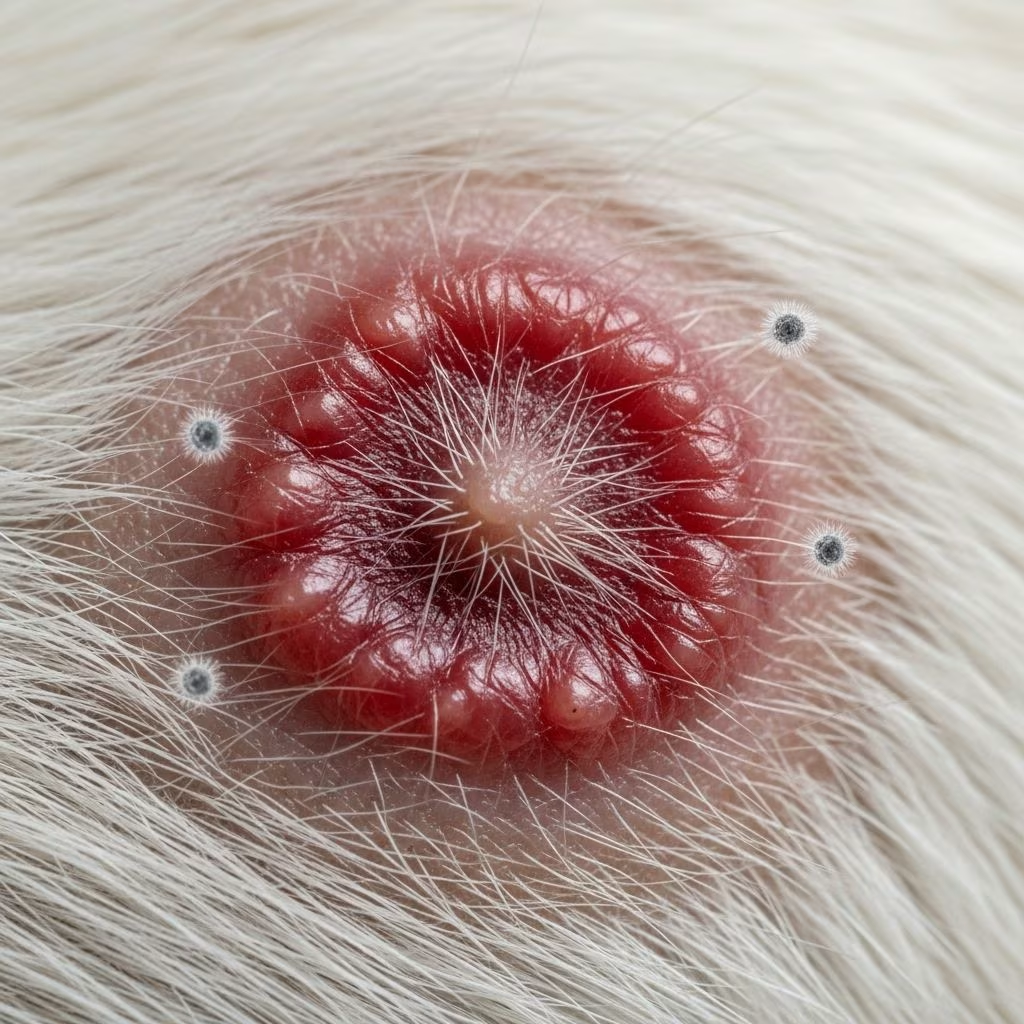
Ringworm in dogs, scientifically known as dermatophytosis, is a misleadingly named fungal infection that targets the skin, hair, and nails. Despite its name suggesting a parasitic worm, it is caused by dermatophyte fungi that thrive on keratin in these tissues. This condition is highly contagious, spreading easily between animals and to humans, making prompt recognition and management essential for pet owners.
Understanding the Nature of Canine Ringworm
The term “ringworm” originates from the characteristic circular lesions with raised, red edges that resemble a worm coiled under the skin. In reality, these are patches of fungal growth leading to hair breakage and loss. Common culprits include Microsporum canis (responsible for about 70% of cases in dogs), Microsporum gypseum (around 20%), and Trichophyton mentagrophytes (about 10%). These fungi are zoonotic, meaning they can transfer to people, often appearing as athlete’s foot or ring-shaped rashes on human skin.
Dogs of all ages can contract ringworm, but puppies, seniors, and those with weakened immune systems are at higher risk. Breeds like Yorkshire Terriers, Boston Terriers, and Jack Russell Terriers show increased susceptibility, possibly due to genetic factors or skin characteristics. Long-haired breeds may harbor the fungus without obvious signs, acting as silent carriers.
Recognizing Symptoms in Your Dog
Early detection hinges on spotting subtle changes in your dog’s coat and skin. Initial signs often include small, circular areas of hair loss (alopecia) with scaly, reddened skin. These patches may expand, developing a defined border between infected and healthy areas. Unlike many skin issues, ringworm is typically not intensely itchy or painful, though mild discomfort can occur as lesions grow.
- Bald, circular spots: Commonly on the head, legs, belly, or paws, 1-2 inches in diameter.
- Scaly or crusty skin: Dry, flaky texture around the lesion edges.
- Brittle nails: In severe cases, claws may become deformed or discolored.
- Mild redness or inflammation: Without significant swelling or pus.
- Secondary issues: If untreated, bacterial infections can complicate the picture.
In some dogs, especially short-haired breeds, lesions are more focal and noticeable, while others might show generalized thinning of the coat. Environmental exposure, like digging in soil harboring M. gypseum, often precedes outbreaks.
How Ringworm Spreads to Dogs
This fungus spreads via direct contact with infected animals, including cats (a major reservoir), or indirectly through spores lingering on fomites. Spores can survive for 18 months in cool, dry environments, contaminating bedding, brushes, toys, carpets, and furniture. Dogs pick it up from soil, shared kennels, or grooming tools.
| Transmission Route | Examples | Risk Level |
|---|---|---|
| Direct Contact | Infected pets, humans | High |
| Indirect Contact | Bedding, collars, floors | High |
| Environmental | Soil, grass in parks | Medium |
| Asymptomatic Carriers | Healthy-looking animals | High |
Compromised immunity from stress, poor nutrition, or concurrent illness lowers defenses, allowing spores to invade via minor skin abrasions.
Diagnostic Approaches for Accurate Identification
Veterinarians employ multiple tools to confirm ringworm, as symptoms mimic allergies, mange, or bacterial dermatitis. A Wood’s lamp examination uses ultraviolet light to detect fluorescence in M. canis-infected hairs (apple-green glow), though it’s not foolproof—negative results don’t rule it out, and not all fungi fluoresce.
More definitive is the fungal culture on dermatophyte test medium (DTM), where hair samples grow fungi in 7-21 days, revealing species. PCR tests offer rapid results, while microscopy of skin scrapings or hair mounts shows fungal elements like spores around shafts (ectothrix pattern).
- Wood’s Lamp: Quick screening, 50-70% sensitivity for M. canis.
- Fungal Culture: Gold standard, identifies species.
- PCR: Fast, lab-based confirmation.
- Skin Biopsy: Rare, for atypical cases.
Treatment Strategies: Medical and Home Care
Treatment combines systemic antifungals, topicals, and environmental decontamination. Oral medications like itraconazole, fluconazole, or terbinafine (4-8 weeks) target deep infections, especially widespread ones. Topical lime sulfur dips (twice weekly) or miconazole/chlorhexidine shampoos reduce spore load on the coat.
Clip hair around lesions (wear gloves), bathe weekly, and isolate the dog. Vacuum daily and disinfect with bleach (1:10 dilution) or accelerated hydrogen peroxide cleaners—spores resist many household products.
| Treatment Type | Examples | Duration | Notes |
|---|---|---|---|
| Oral Antifungals | Itraconazole, Griseofulvin | 4-8 weeks | Monitor liver function |
| Topical | Lime sulfur dips, Shampoos | Weekly | Reduces contagion |
| Environmental | Bleach, Vacuuming | Ongoing | Dispose of vacuum bag |
Follow-up cultures ensure clearance before resuming normal contact. Avoid over-the-counter creams alone—they’re insufficient for pets.
Preventing Ringworm Outbreaks in Multi-Pet Homes
Proactive steps minimize risk: Quarantine new pets for 2-3 weeks, perform pre-adoption skin checks, and avoid high-risk environments like crowded shelters. Maintain hygiene with regular grooming, clean bedding weekly, and boost immunity via balanced diet and wellness exams.
- Screen shelter adoptions with Wood’s lamp.
- Disinfect grooming tools after each use.
- Wash hands post-handling suspect animals.
- Limit soil exposure for digging breeds.
For breeders/kennels, routine cultures prevent silent spread.
Risks to Humans and Family Safety
As a zoonosis, ringworm jumps to humans via contact with lesions or spores, especially children, elderly, and immunocompromised individuals. Human symptoms mirror canine ones: itchy rings on arms, legs, or torso. Treat pet aggressively and seek medical care if exposed—human antifungals like terbinafine resolve it quickly.
Practice hygiene: Gloves during treatment, separate laundry, no shared surfaces.
Common Myths and Misconceptions Debunked
Myth 1: Ringworm is a worm. Fact: Purely fungal.
Myth 2: It only affects kittens. Fact: Common in dogs too, any age.
Myth 3: Home remedies suffice. Fact: Vets prescribe systemic drugs.
FAQs on Ringworm in Dogs
Q: Can my dog get ringworm from grass?
A: Yes, soil-borne species like M. gypseum thrive outdoors.
Q: How long is my dog contagious?
A: Until two negative cultures, typically 3-4 weeks post-treatment.
Q: Is ringworm fatal?
A: Rarely, but untreated cases cause discomfort and secondary infections.
Q: Can vaccines prevent it?
A: No vaccines for dogs; focus on hygiene.
Q: What if my dog has no symptoms but tests positive?
A: Treat as carrier to prevent spread.
References
- Things to Know about Ringworm in Dogs — Hastings Veterinary Hospital. 2023. https://hastingsvet.com/things-to-know-about-ringworm-in-dogs/
- Ringworm (Dermatophytosis) in Dogs — Merck Veterinary Manual. 2024. https://www.merckvetmanual.com/dog-owners/skin-disorders-of-dogs/ringworm-dermatophytosis-in-dogs
- Ringworm in Dogs — PetMD. 2024. https://www.petmd.com/dog/conditions/skin/c_dg_dermatophytosis
- Fungal Infections in Pets: The Truth About Ringworm in Dogs and Cats — Pooler Veterinary Hospital. 2023. https://poolervet.com/ringworm-in-dogs-and-cats-causes-symptoms-guide/
- Don’t let ringworm put you through the wringer — Texas A&M VMBS News. 2023. https://vetmed.tamu.edu/news/pet-talk/dont-let-ringworm-put-you-through-the-wringer/
- Dermatophytosis (Ringworm) Information for Dog Owners — Ohio State University College of Veterinary Medicine. 2020. https://vet.osu.edu/sites/default/files/documents/Dermatophytosis%20(Ringworm)%2020200123.pdf
- Don’t let ringworm run rings around your veterinary patients — dvm360. 2023. https://www.dvm360.com/view/don-t-let-ringworm-run-rings-around-your-veterinary-patients



