

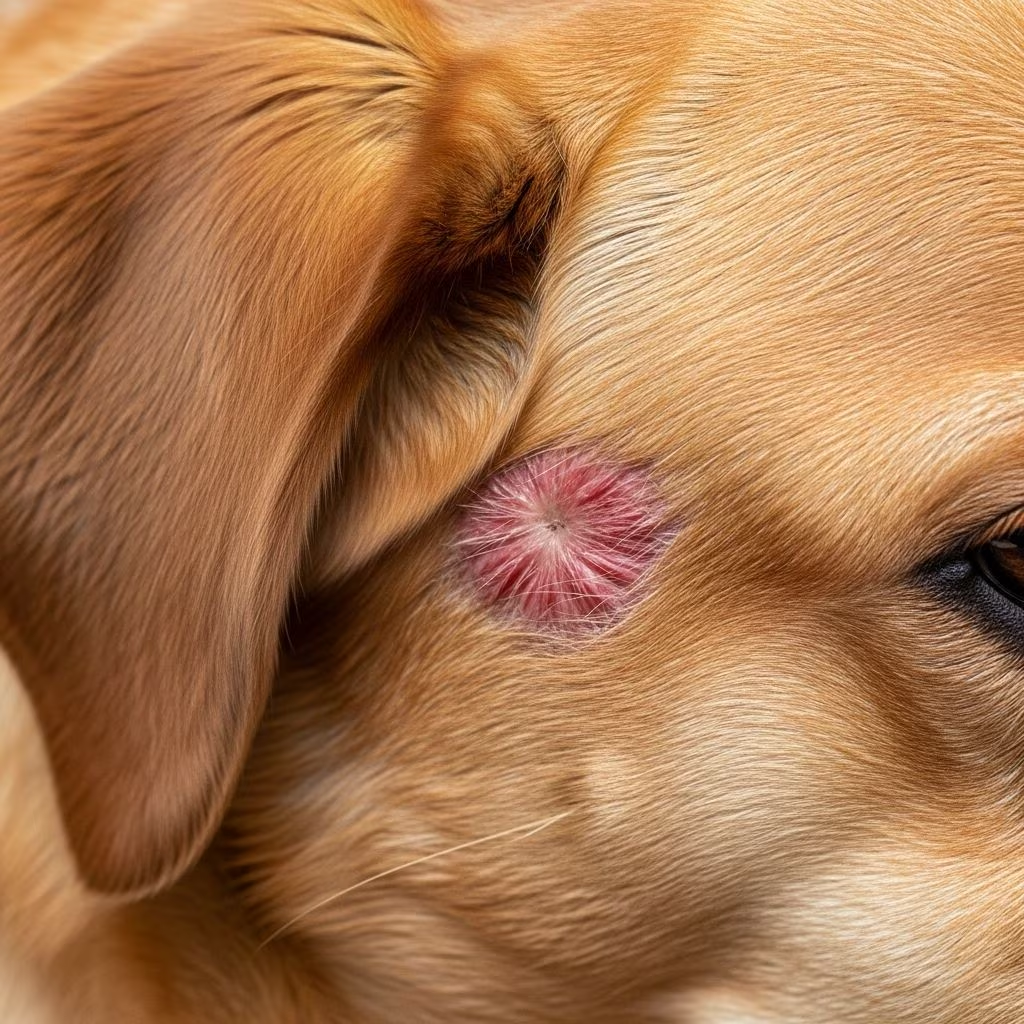
Ringworm, medically termed dermatophytosis, represents a prevalent fungal infection impacting the skin, hair, and nails of dogs. This condition arises from dermatophyte fungi, primarily Microsporum canis, which accounts for roughly 70% of cases in canines, alongside Microsporum gypseum and Trichophyton mentagrophytes. Unlike its name suggests, ringworm stems not from a worm but from these microscopic fungi that thrive on keratin in hair and skin.
What Causes Ringworm in Dogs?
Dermatophytes invade the superficial layers of a dog’s skin, targeting dead keratinized tissues. The chief culprit, M. canis, dominates infections in dogs, with transmission occurring mainly through direct contact with infected animals or contaminated objects like bedding, grooming tools, or furniture—known as fomites. Damage to the skin barrier, such as from scratches or allergies, facilitates entry, with an incubation period of 1-3 weeks before lesions appear.
Young puppies, immunocompromised dogs, or specific breeds like Yorkshire Terriers face heightened susceptibility, where infections can persist and spread extensively. The fungus produces spores that shed into the environment, rendering grooming areas, carpets, and yards potential hotspots for reinfection.
Recognizing Symptoms of Ringworm
Clinical signs vary but typically manifest as circular patches of alopecia with erythematous, crusty borders, often on the face, ears, tail base, and paws. Affected dogs may exhibit:
- Broken or dull hair shafts leading to patchy baldness
- Dry, flaky skin resembling excessive dandruff
- Inflammatory lesions or acne-like pustules
- Hyperpigmented skin areas
- Mild to moderate pruritus prompting scratching or chewing
- Brittle, discolored nails or paronychia (inflamed nail beds)
In severe cases, widespread hair loss exposes vulnerable skin to secondary bacterial invasions. Notably, some dogs act as asymptomatic carriers, harboring spores without visible symptoms, posing risks to household pets and humans.
How Ringworm Spreads: Transmission Risks
This zoonotic pathogen jumps between species effortlessly. Direct animal-to-animal contact during play or shared spaces accelerates spread, while indirect transmission via spore-laden fomites persists in environments for months. Humans, particularly children and immunocompromised individuals, risk ringworm lesions from petting infected dogs.
Veterinary clinics and kennels amplify outbreaks if hygiene lapses. Spores withstand standard cleaning, necessitating targeted disinfection protocols.
Accurate Diagnosis Methods
Visual inspection alone proves unreliable due to mimicking conditions like bacterial pyoderma, scabies, or endocrine disorders. Key diagnostics include:
- Wood’s Lamp Examination: Detects fluorescence in 72% of M. canis cases, glowing apple-green under UV light after 5-18 days post-infection.
- Direct Microscopy: Reveals fungal elements in hair or scrapings via potassium hydroxide prep.
- Fungal Culture (DTM): Gold standard; grows colonies in 1-3 weeks, identifying species.
- PCR Testing: Rapid RealPCR panels confirm dermatophytes in 1-3 days, ideal for carriers or treated pets.
Combining tests enhances accuracy; follow-up cultures or PCR every 2-3 weeks monitor clearance.
Treatment Strategies for Effective Cure
Spontaneous resolution may occur in 9-12 months for healthy adults, but treatment averts environmental contamination and zoonotic spread. A multimodal approach yields best outcomes:
Topical Therapies
Twice-weekly antifungal baths or dips target spores on the coat. Lime sulfur dips excel in efficacy, though odorous; chlorhexidine-antifungal shampoos serve as alternatives. Avoid clipping long-haired dogs to prevent microtrauma.
Systemic Antifungals
Oral agents like itraconazole, terbinafine, or fluconazole, dosed for 6-10 weeks minimum, eradicate deep infections. Veterinary selection balances efficacy, cost, and side effects (often GI upset).
Treatment persists until two consecutive negative cultures/PCR, spaced 1-3 weeks, confirm resolution.
Environmental Decontamination Essentials
Pet treatment alone fails; spores linger. Protocols include:
- Vacuum daily, dispose bags promptly.
- Clean with 1:10 bleach (post-detergenting), accelerated hydrogen peroxide, or enilconazole foggers.
- Wash fabrics in hot water; discard irredeemables.
- Isolate infected pets until cleared.
Test all household pets, as silent carriers perpetuate cycles.
Prevention Tips for Dog Owners
Proactive measures curb incidence:
- Quarantine new pets; screen via culture/PCR.
- Maintain skin health to bolster barriers.
- Disinfect multi-pet homes routinely.
- Educate on zoonotic risks; wash hands post-handling.
Special Considerations by Breed and Age
| Breed/Age Group | Risk Level | Management Notes |
|---|---|---|
| Yorkshire Terriers | High | Oral meds often required; prolonged therapy. |
| Puppies <1 year | High | Immunosuppression heightens spread. |
| Healthy Adults | Moderate | May self-resolve; treat to limit contagion. |
| Immunocompromised | Very High | Aggressive combo therapy essential. |
Frequently Asked Questions (FAQs)
Can ringworm in dogs transfer to humans?
Yes, it’s zoonotic; lesions appear on contact areas like arms. Prompt pet treatment protects families.
How long does treatment last?
Typically 6-10 weeks, extended until negative tests confirm clearance.
Is clipping fur helpful?
Not for long coats; risks worsening infection via skin trauma.
Will it resolve without meds?
Possibly in months, but risks widespread shedding and household spread.
How to clean my home?
Bleach solution (1:10) after soaping surfaces; vacuum thoroughly.
Monitoring Progress and Follow-Up
Regular vet check-ins with diagnostic repeats ensure success. Persistent positives may indicate fomite carriage; rebath and retest. Post-cure, vigilance prevents recurrence in high-risk settings.
References
- Diagnosis and management of dermatophytosis with the Ringworm (Dermatophyte) RealPCR™ Panel — IDEXX Laboratories. 2023. https://www.idexx.com/files/ringworm-pcr-panel.pdf
- Ringworm in Dogs — PetMD. 2024. https://www.petmd.com/dog/conditions/skin/c_dg_dermatophytosis
- Ringworm (Dermatophytosis) in Dogs — Merck Veterinary Manual. 2025. https://www.merckvetmanual.com/dog-owners/skin-disorders-of-dogs/ringworm-dermatophytosis-in-dogs



