

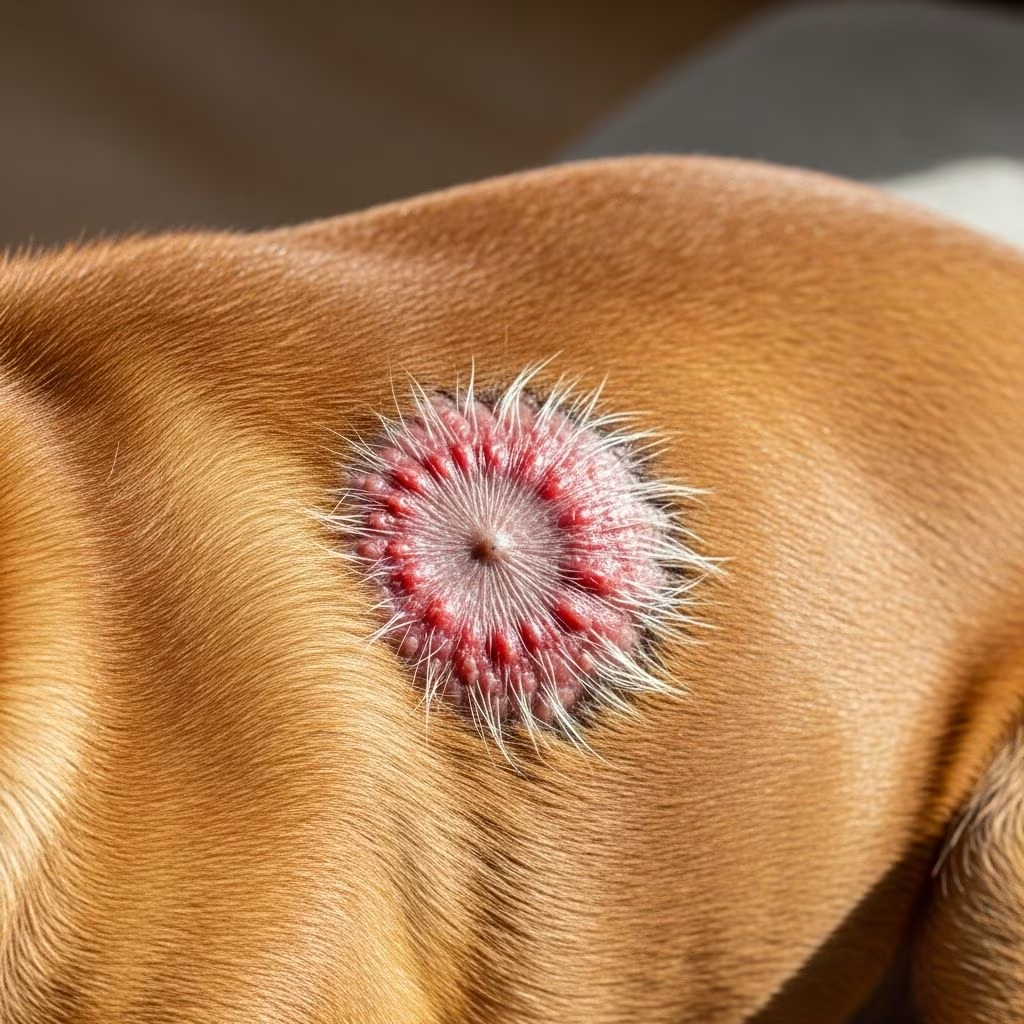
Ringworm represents a prevalent fungal infection affecting canine skin, hair, and nails, often mistaken for a parasitic condition despite its name. This dermatophytosis thrives in warm, moist environments and spreads easily among pets and humans, necessitating prompt veterinary intervention for resolution.
Understanding the Nature of Canine Ringworm
The infection stems from dermatophytes, primarily Microsporum canis, Trichophyton mentagrophytes, and Microsporum gypseum, which feed on keratin in a dog’s outer skin layers. Unlike true worms, these fungi produce spores that persist in surroundings, complicating eradication. Puppies, seniors, and dogs with weakened immunity face higher risks, as do those in crowded shelters or multi-pet homes.
Factors like poor nutrition, stress, or concurrent illnesses exacerbate susceptibility. The fungus invades hair follicles, leading to breakage and characteristic lesions, while dormant spores enable asymptomatic carriers to unknowingly transmit it.
Recognizing Early Warning Signs
Initial symptoms vary by infection extent and fungal strain. Common indicators include:
- Circular patches of hair loss with raised, scaly edges resembling a ring.
- Brittle, dry hair that breaks easily around affected zones.
- Red, inflamed skin that may develop crusty scabs or dandruff-like flakes.
- Mild to intense itching, prompting excessive scratching or chewing.
- Darkened or hyperpigmented skin in chronic cases.
- Nail bed involvement, causing brittle claws or painful inflammation.
Lesions often appear on the head, legs, or trunk first, expanding if untreated. Some dogs show no discomfort, delaying owner detection until spread occurs.
Diagnostic Approaches by Veterinarians
Professional diagnosis confirms ringworm, ruling out allergies, mange, or bacterial infections. Vets conduct:
- Wood’s lamp examination: Fluorescent glow from certain strains under UV light.
- Microscopic hair analysis: Reveals fungal spores or hyphae.
- Fungal culture: Gold standard, growing samples over 1-4 weeks for species identification.
- Skin scrapings or biopsies: For deeper evaluation in atypical presentations.
Household pets require screening, as silent carriers perpetuate cycles. Early testing guides tailored therapies.
Comprehensive Treatment Protocols
Resolution demands a multimodal strategy addressing the dog, environment, and contacts. Duration spans 4-8 weeks minimum, extending to months for severe cases. Key components include:
Topical Applications
Direct therapies target lesions:
- Antifungal shampoos (e.g., miconazole, chlorhexidine combos) used 2-3 times weekly to reduce spore load.
- Lime sulfur dips: Highly effective, applied weekly despite odor, penetrating follicles deeply.
- Creams or ointments on localized spots, paired with e-collars to prevent licking.
Clipping fur around lesions aids penetration but avoid full shaves on long coats to prevent skin trauma.
Systemic Oral Antifungals
For widespread infections, pills like itraconazole, fluconazole, or terbinafine attack fungi internally. Administered daily for 6+ weeks, monitored via bloodwork for liver effects. Combination with topicals yields 90-95% success rates.
Environmental Remediation
Spore survival up to 18-24 months demands rigorous cleaning:
| Area | Cleaning Method | Frequency |
|---|---|---|
| Bedding & Toys | Hot wash (140°F+), dry thoroughly or discard | Weekly |
| Floors & Furniture | Vacuum daily, mop with 1:10 bleach or accelerated hydrogen peroxide | Daily/Weekly |
| Grooming Tools | Disinfect or dispose | Immediately |
| Isolation Zone | Confine dog to easy-clean rooms (tile floors) | Throughout treatment |
Discard vacuums if possible; otherwise, empty bags outside post-use.
Potential Complications and Monitoring
Untreated ringworm leads to secondary bacterial infections, chronic baldness, or systemic spread in immunocompromised dogs. Treatment monitoring involves biweekly cultures until two negatives confirm clearance. Relapse risks rise if therapy stops prematurely.
Humans, especially children and elderly, risk zoonotic transmission via contact. Handwashing, gloves during care, and laundry separation minimize cross-infection.
Proven Prevention Tactics
Avoidance focuses on hygiene and vigilance:
- Maintain clean, dry living spaces with regular grooming to remove loose hair.
- Quarantine new pets for 2-3 weeks, culturing if needed.
- Boost immunity via balanced diets rich in omega-3s and probiotics.
- Avoid high-risk venues like puppy mills during outbreaks.
- Annual vet checks for at-risk breeds (e.g., long-haired like Yorkshire Terriers).
Post-recovery, sustain protocols 4 weeks to prevent reinfestation.
Myths and Facts Clarified
| Myth | Fact |
|---|---|
| Ringworm comes from dirt. | It’s fungal, thriving regardless of cleanliness; spreads via spores. |
| Over-the-counter creams suffice. | Vet-prescribed antifungals required; OTC often ineffective alone. |
| Shaving cures it quickly. | Helps topicals but risks injury; not standalone fix. |
| It’s not serious. | Highly contagious, treatable but persistent without full protocol. |
Frequently Asked Questions
Can ringworm resolve without treatment?
Rarely; most cases persist or worsen, risking spread. Veterinary care accelerates recovery.
Is ringworm painful for dogs?
Often itchy rather than painful, though nail involvement can cause discomfort.
How long is a dog contagious?
Until two negative cultures, typically 3-4 weeks into treatment.
Does breed influence risk?
Long-coated breeds face higher detection challenges, but all susceptible.
Can vaccines prevent it?
No vaccines approved; focus on hygiene and prompt treatment.
What if multiple pets are exposed?
Test and treat all, isolating infected ones.
References
- Ringworm in Dogs: Signs, Symptoms, Treatment — American Kennel Club. 2023-10-15. https://www.akc.org/expert-advice/health/ringworm-in-dogs/
- Dog Ringworm – Signs to Look For & How It’s Treated — Guilford Jamestown Veterinary Hospital. 2024-05-15. https://www.guilfordjamestownvet.com/site/blog-greensboro-vet/2024/05/15/dog-ringworm
- Ringworm – signs, diagnosis and treatment — Vetwest Animal Hospitals. 2024-01-20. https://www.vetwest.com.au/pet-library/ringworm-signs-diagnosis-and-treatment/
- Ringworm in Dogs: Treatment, Symptoms, and Causes — GoodRx. 2024-08-12. https://www.goodrx.com/pet-health/dog/ringworm-in-dogs
- Ringworm (Dermatophytosis) in Dogs — PetMD. 2024-11-05. https://www.petmd.com/dog/conditions/skin/c_dg_dermatophytosis
- Ringworm in dogs — Blue Cross. 2023-07-10. https://www.bluecross.org.uk/advice/dog/health-and-injuries/ringworm-in-dogs



