

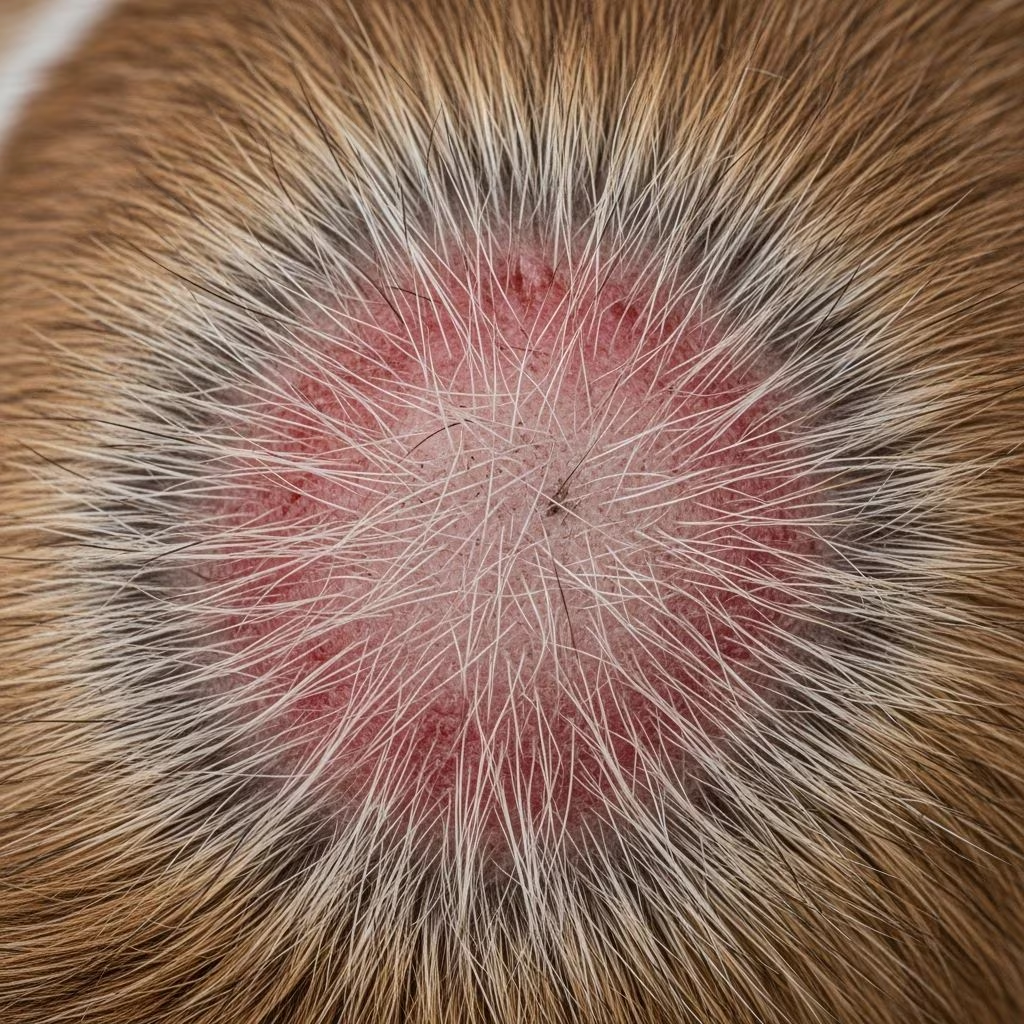
Ringworm, despite its name, is not caused by a worm but by fungi known as dermatophytes that infect a dog’s skin, hair, and nails. This condition, medically termed dermatophytosis, is highly contagious to other animals and humans, necessitating prompt veterinary attention for effective management.
Understanding the Nature of Canine Ringworm
The primary culprit behind most ringworm cases in dogs is Microsporum canis, responsible for approximately 70% of infections. These fungi thrive on keratin, a protein found in hair, skin, and claws, leading to characteristic lesions. Unlike true worms, ringworm spreads through direct contact with infected animals, contaminated environments, or even soil harboring fungal spores. Dogs with weakened immune systems, young puppies, seniors, or those in crowded settings like kennels face higher risks. Healthy adult dogs may sometimes resolve mild infections naturally, but treatment accelerates recovery and curbs transmission.
Recognizing Early Warning Signs
Early detection hinges on spotting subtle changes in your dog’s coat and skin. Common indicators include:
- Circular or patchy bald spots, often with raised, red, crusty borders
- Dry, brittle hair that breaks easily, contributing to further spread
- Scaly, flaky skin resembling severe dandruff
- Inflamed, scabby lesions, particularly on the face, ears, paws, or tail
- Rough, deformed, or discolored claws
- Occasional itchiness, though many cases remain non-pruritic
These symptoms typically appear on the head, legs, trunk, or extremities. In long-haired breeds, signs may hide beneath the coat until advanced. Darkened skin patches or excessive grooming can also signal trouble. If multiple pets show similar issues, suspect a household outbreak.
Diagnostic Approaches by Veterinarians
Vets employ several tests for confirmation, as visual inspection alone can mimic allergies or bacterial infections. Key methods include:
- Wood’s Lamp Examination: Ultraviolet light reveals fluorescent glow in some fungal strains, offering quick preliminary insight.
- Microscopic Analysis: Hairs or skin scrapings checked for fungal elements.
- Fungal Culture: Gold standard; samples grown in a lab over 1-4 weeks to identify the dermatophyte definitively.
Follow-up cultures monitor treatment progress, ensuring clearance before discontinuation.
Comprehensive Treatment Strategies
Treatment combines topical applications, systemic antifungals, and rigorous environmental cleanup, tailored to infection severity, pet count, and household vulnerabilities like children or immunocompromised individuals. Full resolution often spans 4-8 weeks or longer.
Topical Therapies: First Line of Defense
Direct skin treatments reduce spore shedding and limit spread. Options encompass:
- Medicated shampoos with miconazole, chlorhexidine, or enilconazole (e.g., Malaseb), used 2x weekly.
- Lime-sulfur dips, highly effective but pungent, applied biweekly.
- Creams/ointments like clotrimazole or terbinafine for localized spots.
- Clipping fur from affected areas, especially in long-coated dogs, to enhance penetration and ease decontamination.
Topicals alone suffice for mild, isolated cases but pair best with orals for generalized infections.
Systemic Oral Antifungals: Targeting the Source
Oral drugs attack fungi internally, reaching hair follicles beyond topical reach. Common prescriptions:
| Medication | Examples | Notes |
|---|---|---|
| Itraconazole | Itrafungol, Sporanox | Fewer side effects; preferred first-line. |
| Terbinafine | Lamisil | Effective, minimal GI upset. |
| Fluconazole/Ketoconazole | Various | Alternatives; monitor liver function. |
| Griseofulvin | Fulvicin | Effective but higher side effect risk. |
Administer for minimum 6 weeks, guided by culture results. Bloodwork may track organ health.
Environmental Decontamination Essentials
Fungal spores linger in bedding, carpets, and furniture for months, fueling reinfection. Critical steps:
- Daily Cleaning: Vacuum thoroughly, dispose bags immediately.
- Disinfectants: 1:10 bleach solution on hard surfaces; let sit 10 minutes.
- Washables: Hot water (140°F+) with antifungal additives for fabrics.
- Isolate infected pets; consider fostering others temporarily.
- Limit shared spaces until two consecutive negative cultures.
Full household treatment may be advised for multi-pet homes.
Preventive Measures for Long-Term Protection
Proactive steps minimize outbreaks:
- Quarantine new pets for 2-4 weeks.
- Maintain hygiene: regular baths, grooming.
- Avoid high-risk environments like shelters without precautions.
- Boost immunity via balanced diet, vaccinations, parasite control.
- Educate family on handwashing post-handling.
Breeds like Yorkshire Terriers warrant extra vigilance due to susceptibility.
Risks to Humans and Other Pets
Zoophilic strains like M. canis readily jump species, causing ringworm in children, elderly, or immunocompromised people—often as itchy, annular scalp or body lesions. Other dogs, cats, livestock at risk. Prompt isolation and treatment break the cycle.
FAQs on Ringworm in Dogs
Q: Is ringworm painful for dogs?
A: Rarely; most cases lack significant discomfort beyond mild scaling or nail changes.
Q: Can I treat ringworm at home without a vet?
A: No—self-treatment risks incomplete cure, prolonged shedding, and resistance. Vet diagnosis ensures targeted therapy.
Q: How long until my dog is non-contagious?
A: Typically after 2-3 negative cultures, around 4-6 weeks with compliant treatment.
Q: Does ringworm resolve without meds?
A: Possible in healthy adults (self-limiting), but risks environmental persistence and spread.
Q: What’s the cost of treatment?
A: Varies; consult vet. Involves diagnostics ($50-200), meds ($100-500+), follow-ups.
Monitoring Progress and Follow-Up Care
Regular vet check-ins with cultures gauge efficacy. Watch for side effects like vomiting from orals or skin irritation from topicals. Post-cure, maintain clean habits to prevent recurrence. With diligence, most dogs recover fully, regrowing healthy coats within months.
References
- Ringworm in Dogs: Signs, Symptoms, Treatment — American Kennel Club. 2023. https://www.akc.org/expert-advice/health/ringworm-in-dogs/
- Ringworm in Dogs — VCA Animal Hospitals. 2023. https://vcahospitals.com/know-your-pet/ringworm-in-dogs
- Ringworm in Dogs – Symptoms & Treatment — Perth Vet Care. 2023. https://perthvetcare.com.au/pet-library/ringworm-in-dogs/
- Ringworm (Dermatophytosis) in Dogs — Merck Veterinary Manual. 2023. https://www.merckvetmanual.com/dog-owners/skin-disorders-of-dogs/ringworm-dermatophytosis-in-dogs



