

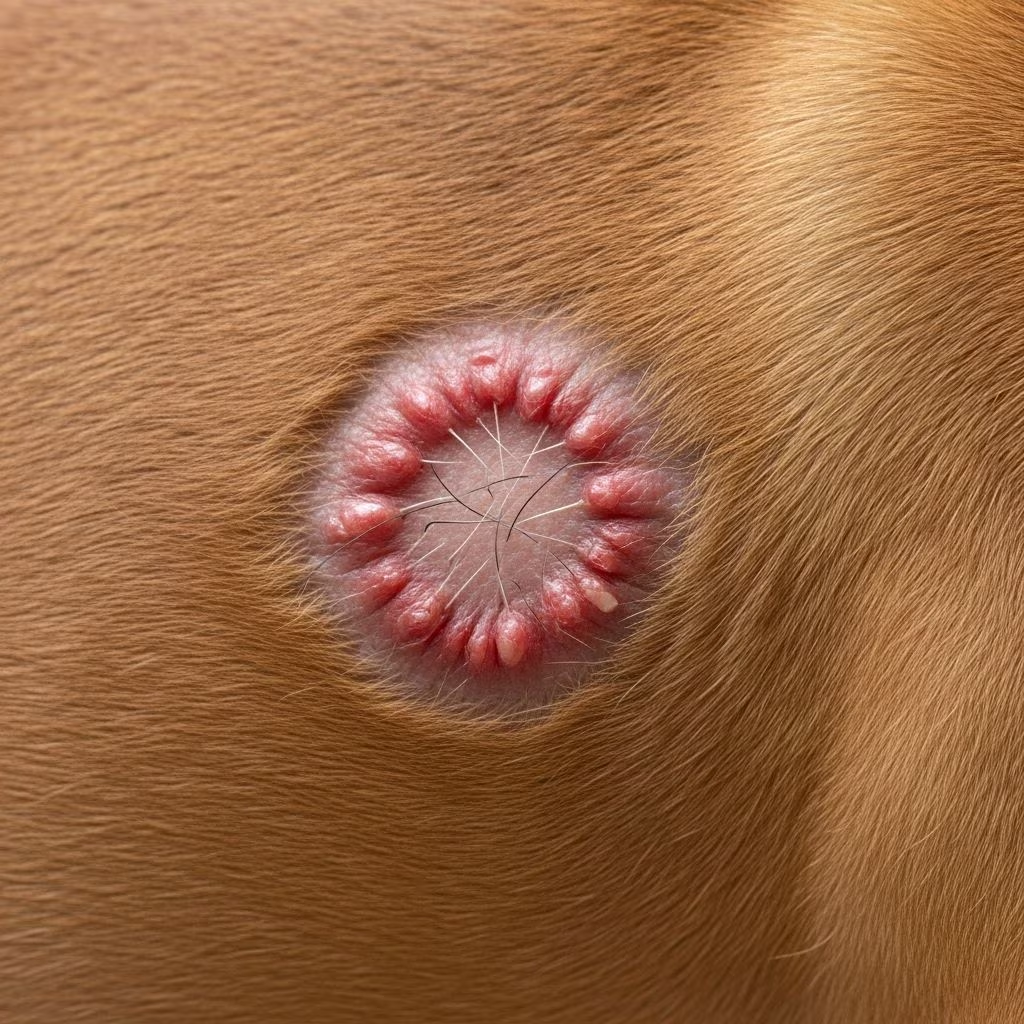
Ringworm represents a prevalent fungal issue in canines, impacting skin, fur, and claws through dermatophyte fungi. Despite its name, no actual worm is involved; instead, it stems from microscopic organisms thriving in warm, moist settings.
Understanding the Fungal Culprits Behind Ringworm
The primary fungi responsible for ringworm in dogs include Microsporum canis, which accounts for roughly 70% of cases, Microsporum gypseum at about 20%, and Trichophyton mentagrophytes making up the remaining 10%. These pathogens target the outer skin layers, hair shafts, and occasionally nail beds, where they feed on keratin—a tough protein abundant in these areas.
Microsporum canis frequently jumps between dogs and humans, heightening household risks. Soil-dwelling M. gypseum infects via environmental exposure, while T. mentagrophytes often traces back to rodents or contaminated items. Young puppies, seniors, or dogs with weakened immunity face higher susceptibility due to compromised skin barriers.
Pathways of Transmission: How Infection Spreads
Dogs acquire ringworm through direct physical contact with infected animals, including fellow pets, wildlife, or even people showing mild symptoms. Spores—tiny fungal reproductive units—persist in the environment for extended periods, up to 18 months on fabrics or surfaces.
- Shared bedding, grooming tools, or toys transfer spores effortlessly.
- Contaminated soil or grass during outdoor play poses risks, especially in multi-pet settings.
- Stray animals or kennel environments amplify exposure chances.
- Human-to-dog transmission occurs via petting infected skin or handling spores unknowingly.
Once on a dog’s body, spores germinate under ideal conditions like humidity and poor ventilation, leading to active infection within 7-14 days.
Spotting the Signs: Symptoms to Watch For
Early detection hinges on recognizing subtle changes. Common indicators include:
- Circular bald spots with raised, red edges.
- Scaly, flaky, or crusty patches resembling dandruff.
- Brittle, broken hairs that snap easily.
- Mild to severe itching, prompting excessive scratching or licking.
- Thickened, darkened skin in prolonged cases.
- Rough, distorted nails if claws are involved.
Affected areas often appear on the head, ears, legs, or tail. Unlike allergies, lesions maintain a distinctive ring-like pattern, though multiple sites can merge into larger irregular zones. Some dogs remain asymptomatic carriers, shedding spores without visible issues.
Diagnostic Approaches for Accurate Identification
Veterinarians employ several techniques to confirm ringworm, as symptoms mimic allergies, mange, or bacterial infections.
| Method | Description | Accuracy |
|---|---|---|
| Wood’s Lamp Exam | UV light reveals fluorescent glow in some M. canis cases. | Moderate; not all strains fluoresce. |
| Microscopic Analysis | Hair/skin scrapings checked for fungal elements. | Quick but less definitive. |
| Fungal Culture | Gold standard; samples grown in lab over 1-3 weeks. | High; identifies exact fungus. |
Physical exams focus on lesion patterns. Periodic cultures during treatment monitor progress.
Comprehensive Treatment Strategies
Effective management combines topical applications, oral drugs, and environmental decontamination. Treatment spans 4-8 weeks minimum, with follow-up cultures ensuring clearance.
Topical Therapies for Surface Control
These target visible lesions directly:
- Medicated shampoos with miconazole, chlorhexidine, or ketoconazole, used 2-3 times weekly.
- Lime-sulfur dips twice weekly; strong odor but highly effective.
- Creams like clotrimazole or terbinafine for localized spots.
Clipping fur around lesions aids penetration; full-body clipping for widespread cases reduces spore load.
Systemic Oral Medications
For moderate-severe infections:
- Itraconazole or terbinafine: Preferred for fewer side effects; daily dosing.
- Griseofulvin: Effective but monitors liver function due to risks.
Duration: 6+ weeks; never discontinue early to avoid relapse. Blood tests track organ health.
Environmental Decontamination Essentials
Since spores linger, home cleaning is crucial:
- Vacuum daily, dispose bags immediately.
- Wash fabrics in hot water with bleach (if colorfast).
- Disinfect surfaces with 1:10 bleach or accelerated hydrogen peroxide.
- Isolate infected pets; launder hands post-handling.
Discard heavily contaminated items if possible.
Prevention Tactics for a Ringworm-Free Home
Proactive steps minimize risks:
- Maintain short trims on long-haired breeds.
- Regular baths with antifungal shampoos in high-risk areas.
- Avoid contact with strays or infected animals.
- Boost immunity via balanced diet, vaccinations, stress reduction.
- Quarantine new pets for 2-4 weeks.
Healthy skin serves as a natural barrier.
Risks to Humans and Other Pets
Highly zoonotic; children, elderly, immunocompromised face greater threats. Lesions on arms/hands from petting. Treat pet promptly to break cycle; human cases need physician care. Multi-pet homes require simultaneous treatment.
Potential Complications and When to Seek Urgent Care
Untreated ringworm spreads, causes secondary bacterial infections, or persists chronically in vulnerable dogs. Watch for lethargy, appetite loss indicating systemic involvement. Rush to vet if lesions expand rapidly or fever develops.
Frequently Asked Questions (FAQs)
Can ringworm resolve without treatment?
Possibly in mild cases, but risks recurrence and spread; vet intervention speeds recovery.
Is ringworm painful for dogs?
Often itchy rather than painful; scratching worsens damage.
How long is a dog contagious?
Until two negative cultures; typically 3-4 weeks with treatment.
Are home remedies effective?
Over-the-counter shampoos help mildly, but consult vet for prescriptions.
Does breed affect susceptibility?
Yorkshire Terriers and long-haired breeds prone due to coat density.
Long-Term Management and Monitoring
Post-treatment, monthly cultures for 3 months confirm clearance. Rechecks every 6 months for at-risk dogs. Nutrition with omega-3s supports skin health.
References
- Fungal Infections in Pets: The Truth About Ringworm in Dogs and Cats — Pooler Vet. 2023. https://poolervet.com/ringworm-in-dogs-and-cats-causes-symptoms-guide/
- Ringworm in Dogs — VCA Animal Hospitals. 2024. https://vcahospitals.com/know-your-pet/ringworm-in-dogs
- Ringworm (Dermatophytosis) in Dogs — Merck Veterinary Manual. 2025. https://www.merckvetmanual.com/dog-owners/skin-disorders-of-dogs/ringworm-dermatophytosis-in-dogs
- Ringworm and Pets — California Department of Public Health (CDPH). 2024. https://www.cdph.ca.gov/Programs/CID/DCDC/Pages/Ringworm.aspx
- Ringworm in Dogs: Symptoms, Causes and Treatment — VEG. 2023. https://www.veg.com/post/ringworm-in-dogs



