

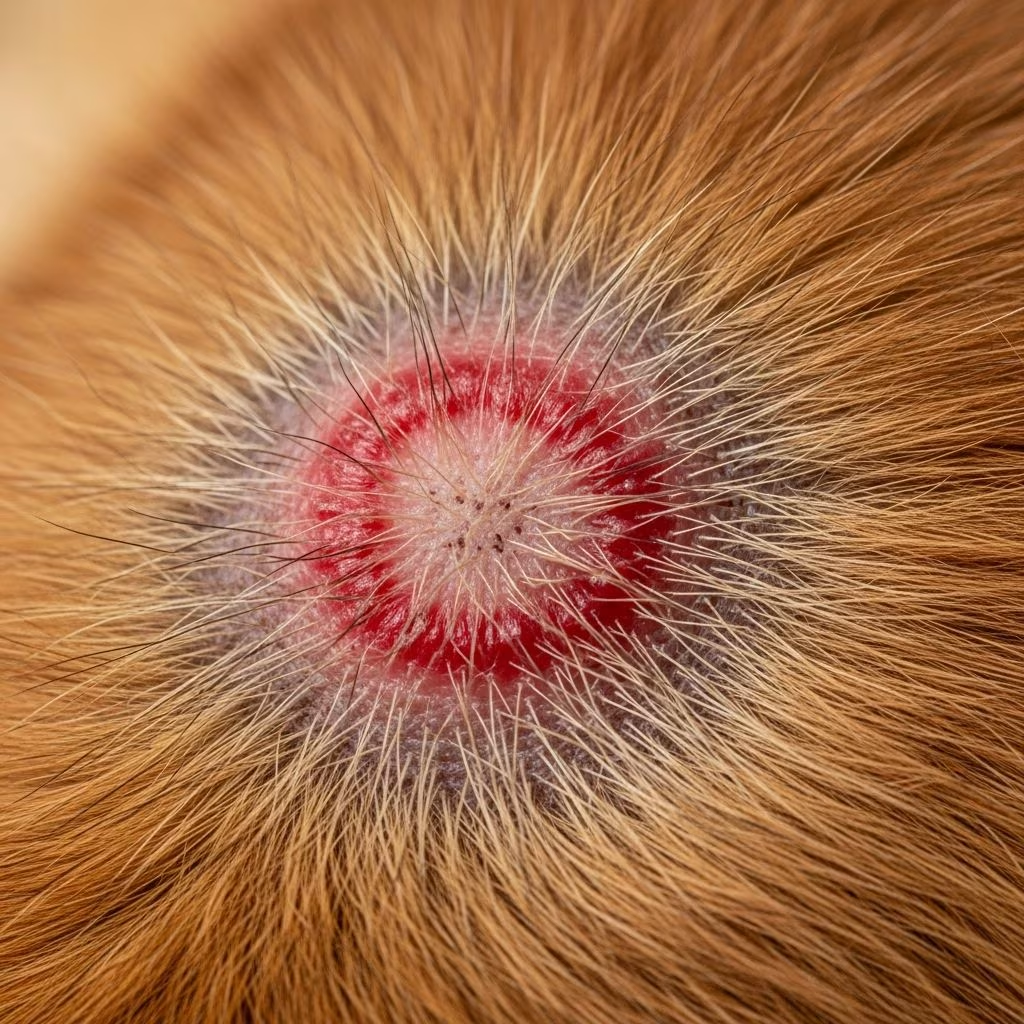
Ringworm, despite its name suggesting a worm infestation, is actually a highly contagious fungal infection affecting a dog’s skin, hair, and sometimes nails. Caused by dermatophytes, it poses risks not only to pets but also to humans and other animals in the household. Early detection and proper management are crucial for swift recovery and preventing spread.
Understanding the Nature of Canine Ringworm
This condition, medically termed dermatophytosis, thrives in warm, moist environments and targets keratin-rich structures like hair shafts and claws. In dogs, it disrupts normal skin function, leading to visible lesions that can worsen without intervention. Unlike bacterial infections, ringworm spores can persist in the environment for extended periods, complicating eradication efforts.
Common Culprits Behind Dog Ringworm Infections
Several fungi are responsible, with Microsporum canis accounting for approximately 70% of cases in dogs. Other strains include Microsporum gypseum from soil exposure and Trichophyton mentagrophytes from rodent contact. These pathogens invade hair follicles, producing enzymes that break down keratin, allowing proliferation.
- Microsporum canis: Most prevalent, often zoonotic (transmissible to humans).
- Microsporum gypseum: Soil-borne, common in outdoor dogs.
- Trichophyton mentagrophytes: Linked to small mammal interactions.
Recognizing Early Warning Signs
Symptoms vary by infection severity and location but typically appear on the head, ears, paws, or tail. Owners often notice changes before severe discomfort sets in, as ringworm is not always itchy.
| Symptom | Description | Common Locations |
|---|---|---|
| Circular hair loss | Bald patches with raised, scaly edges | Face, legs, trunk |
| Brittle, dry hair | Hair breaks easily, resembling dandruff | Generalized coat |
| Inflamed skin | Red, scabby, or crusty areas | Affected patches |
| Nail changes | Rough, deformed, or discolored claws | Paws |
| Overgrooming | Excessive licking or scratching | Lesion sites |
Monitor for darkened skin or acne-like bumps, which signal advancing infection. Prompt veterinary consultation is essential upon observing these signs.
Risk Factors Making Dogs Vulnerable
Puppies, seniors, and those with weakened immunity—due to stress, poor nutrition, or concurrent illnesses—are prime targets. Crowded kennels, grooming salons, or multi-pet homes accelerate transmission via direct contact or shared items. Environmental factors like high humidity exacerbate spore survival.
Diagnostic Approaches for Accurate Identification
Veterinarians employ multiple tools for confirmation, as symptoms mimic allergies or bacterial issues. A physical exam precedes specialized tests.
- Wood’s Lamp: Ultraviolet light reveals fluorescent glow in some Microsporum cases.
- Microscopy: Examines hair/scrapings for fungal elements.
- Fungal Culture: Gold standard; grows samples over 1-4 weeks to identify species.
Periodic cultures during treatment track progress.
Comprehensive Treatment Strategies
Effective management combines medical therapies with hygiene protocols, tailored to infection extent and household dynamics. Treatment spans 4-8 weeks minimum, often longer for severe cases.
Topical Applications for Localized Control
Direct treatments limit spore shedding. Clip hair around lesions to expose skin, then apply.
- Antifungal creams (miconazole, clotrimazole, terbinafine).
- Medicated shampoos (chlorhexidine-miconazole blends) used 2-3 times weekly.
- Lime-sulfur dips: Highly effective, applied twice weekly; strong odor but safe.
Full-body clipping aids generalized infections.
Systemic Antifungals for Internal Eradication
Oral drugs target deep infections, combined with topicals for best outcomes.
| Medication | Common Brands | Duration | Notes |
|---|---|---|---|
| Itraconazole | Itrafungol, Sporanox | Minimum 6 weeks | Fewer side effects |
| Terbinafine | Lamisil | 6+ weeks | Effective for widespread cases |
| Griseofulvin | Fulvicin, Gris-Peg | Up to months | Higher GI risks |
Vet monitoring prevents liver issues via blood tests.
Environmental Decontamination Essentials
Spore persistence demands rigorous cleaning, as 50% of household pets may asymptomatically carry it.
- Vacuum daily; dispose bags promptly.
- Wash fabrics in hot water with bleach (1:10 dilution).
- Disinfect hard surfaces with bleach solution.
- Isolate infected dog; treat all in-home pets if needed.
Launder bedding weekly; limit dog to non-carpeted areas.
Preventive Measures for Long-Term Protection
Avoidance is key. Maintain hygiene, quarantine new pets, and ensure balanced diets bolstering immunity. Regular vet check-ups catch issues early.
- Quarantine newcomers for 2-4 weeks.
- Clean grooming tools after use.
- Minimize soil/rodent exposure.
Zoonotic Risks and Human Precautions
Highly transmissible to humans, especially children/immunocompromised. Wash hands post-handling; wear gloves during treatment. Lesions in people appear similarly.
Potential Complications and Prognosis
Untreated, secondary bacterial infections or chronic shedding occur. With compliance, 90%+ cure rates within months. Breeds like Yorkshire Terriers may require extended therapy.
Frequently Asked Questions (FAQs)
Is ringworm painful for dogs?
Usually not; mild itching may occur, but most dogs remain comfortable.
How long is a dog contagious with ringworm?
Until two consecutive negative cultures, typically 3-4 weeks into treatment.
Can ringworm resolve without treatment?
Possible in healthy adults, but risks spread; treatment accelerates recovery.
Are over-the-counter remedies safe?
No; use only vet-prescribed products to avoid toxicity.
Does ringworm affect all dog breeds equally?
Long-haired breeds spread it more readily; no breed immunity.
References
- Ringworm in Dogs: Signs, Symptoms, Treatment — American Kennel Club. 2023-10-15. https://www.akc.org/expert-advice/health/ringworm-in-dogs/
- Ringworm in Dogs — VCA Animal Hospitals. 2024-01-22. https://vcahospitals.com/know-your-pet/ringworm-in-dogs
- Dog Ringworm – Signs to Look For & How It’s Treated — Guilford Jamestown Veterinary Hospital. 2024-05-15. https://www.guilfordjamestownvet.com/site/blog-greensboro-vet/2024/05/15/dog-ringworm
- Ringworm in Dogs: Symptoms, Causes and Treatment — VEG ER for Pets. 2023-11-08. https://www.veg.com/post/ringworm-in-dogs
- Ringworm (Dermatophytosis) in Dogs — PetMD. 2024-02-10. https://www.petmd.com/dog/conditions/skin/c_dg_dermatophytosis
- Ringworm (Dermatophytosis) in Dogs — Merck Veterinary Manual. 2025-01-05. https://www.merckvetmanual.com/dog-owners/skin-disorders-of-dogs/ringworm-dermatophytosis-in-dogs



