

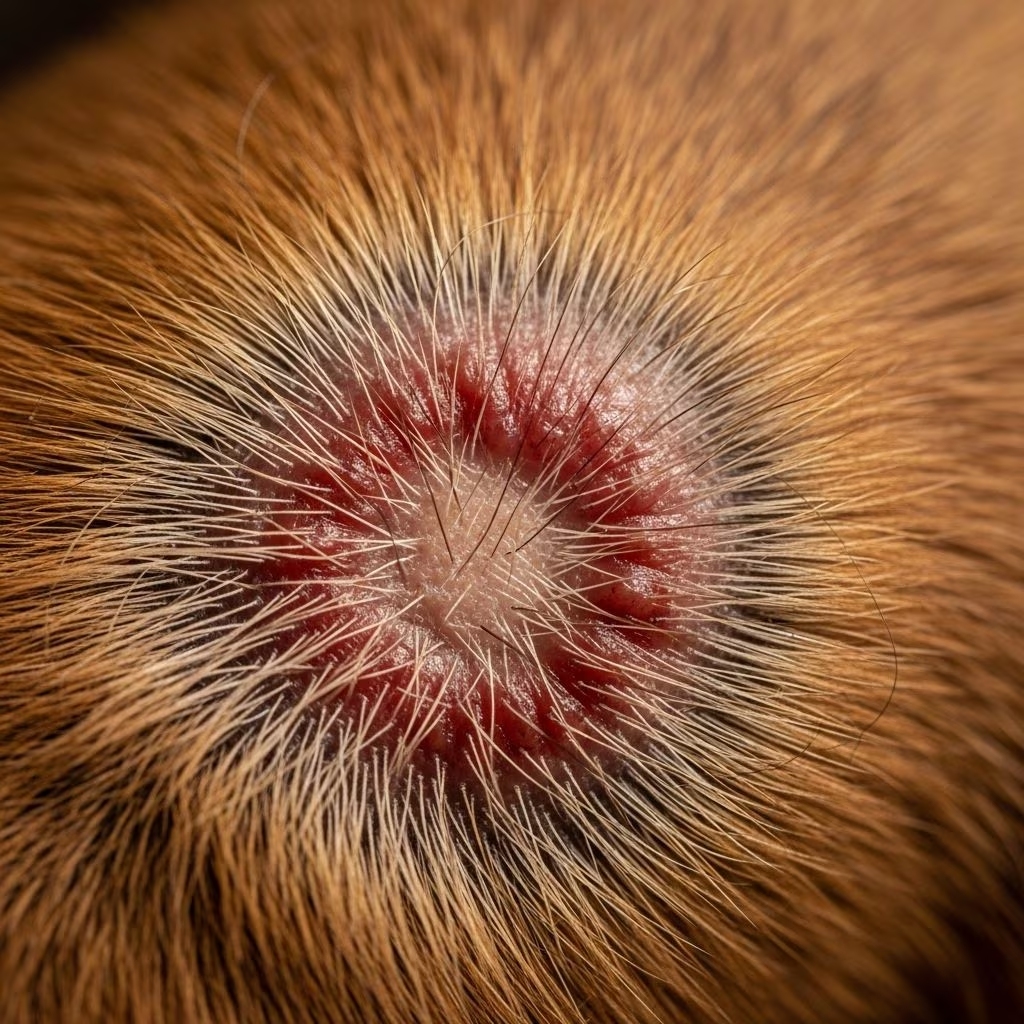
Ringworm is a common fungal infection affecting a dog’s skin, hair, and nails, caused by dermatophytes like Microsporum canis, not a worm despite its name. It is highly contagious to other pets and humans, requiring prompt veterinary diagnosis and treatment to prevent spread.
What is ringworm in dogs?
Ringworm, medically termed dermatophytosis, results from fungi invading keratin in the skin, hair, and nails. These dermatophytes thrive in warm, moist environments and spread via direct contact with infected animals, contaminated objects, or soil. In dogs, it often presents as self-limiting in healthy individuals but demands intervention to curb transmission risks, especially to immunocompromised people or children.
The infection disrupts hair follicles, leading to characteristic lesions. Puppies, long-haired breeds, and dogs with weakened immunity are more susceptible. Globally, Microsporum canis accounts for most canine cases, highlighting its zoonotic potential.
Symptoms of ringworm in dogs
Early signs include small, circular patches of hair loss with scaly, red, or inflamed skin, often mistaken for allergies. Lesions may expand, showing raised edges and central healing, forming the classic “ring.” Affected areas can itch, leading to scratching that worsens spread.
- Brittle, broken, or dull hair in patches
- Circular or irregular alopecia (hair loss)
- Scaly, crusty, or greasy skin
- Red, inflamed lesions, sometimes pustules
- Brittle or deformed nails
- Mild itching or discomfort
Symptoms vary by infection extent; mild cases show few spots, while severe ones cover large areas. Silent carriers exist—dogs harboring fungus without visible signs, underscoring household testing needs.
Causes of ringworm in dogs
Dermatophytes such as Microsporum canis (most common in dogs), Microsporum gypseum, and Trichophyton mentagrophytes cause ringworm. Spores survive months in environments, spreading via contaminated fur, bedding, grooming tools, or soil.
Risk factors include:
- Contact with infected animals (strays, kennels, grooming salons)
- Crowded or unsanitary conditions
- Weakened immunity (stress, illness, age)
- Long or dense coats trapping spores
- Humid climates favoring fungal growth
Zoonotic transmission occurs through petting or sharing spaces, emphasizing hygiene.
How is ringworm diagnosed in dogs?
Veterinarians use multiple methods for accurate diagnosis, as symptoms mimic allergies, mange, or bacterial infections.
- Wood’s Lamp: UV light reveals apple-green fluorescence in 50-70% Microsporum canis cases; not definitive.
- Direct Exam: Microscope reveals fungal hyphae in hair/skin scrapings.
- Fungal Culture: Gold standard; hair samples grow fungus in 7-21 days for species ID.
- PCR Testing: Rapid DNA detection, increasingly used.
- Biopsy: Rare, for atypical cases.
Follow-up cultures every 2-4 weeks monitor treatment efficacy.
Treatment for ringworm in dogs
Treatment combines topical, systemic therapies, and decontamination, lasting 4-8 weeks or until cultures clear. Never stop early to avoid recurrence.
Topical therapy
Reduces spore load and contagion.
- Medicated Shampoos: Chlorhexidine + miconazole (e.g., Malaseb) twice weekly; lather 10 minutes.
- Lime Sulfur Dips: Twice weekly; smells but effective.
- Creams/Ointments: For localized lesions; avoid widespread use.
- Clipping: Shave affected areas; full body for severe cases, avoiding trauma in long coats.
Oral (systemic) medications
Targets deep follicles; common drugs:
| Drug | Dosage Frequency | Duration | Notes |
|---|---|---|---|
| Itraconazole | Daily | 4-8 weeks | First-line; liver monitoring |
| Terbinafine | Daily | 4-8 weeks | Fewer side effects |
| Fluconazole/Ketoconazole | Daily | 4-8 weeks | Alternatives; GI upset possible |
Vet selects based on health, cost, monitoring.
Environmental decontamination
Crucial; spores linger 18-24 months.
- Vacuum daily, dispose bags.
- Wash bedding/toys in hot water + bleach (1:10 dilution).
- Disinfect with bleach solution or accelerated hydrogen peroxide.
- Isolate infected pets.
- Launder human clothes post-handling.
Recovery from ringworm in dogs
With compliance, 80-95% recover in 4-12 weeks. Monitor via cultures; continue until two negatives. New hair regrows slowly. Complications rare but include secondary infections. Silent carriers require household testing.
Prevention of ringworm in dogs
- Regular grooming, hair disposal.
- Avoid high-risk areas without checks.
- Quarantine new pets; vet exam.
- Boost immunity via nutrition/stress reduction.
- Clean environment routinely.
No vaccine exists; hygiene is key.
Frequently Asked Questions (FAQs)
Is ringworm in dogs contagious to humans?
Yes, highly zoonotic; children, elderly, immunocompromised at risk. Practice hygiene.
How long does ringworm last in dogs?
Self-limits in 2-4 months untreated, but treatment shortens to 4-8 weeks.
Can ringworm go away on its own in dogs?
Possible in healthy dogs, but treatment prevents spread.
What kills ringworm spores in the environment?
Bleach (1:10), lime sulfur, vacuuming.
Should I shave my dog’s fur for ringworm?
Clip affected areas; vet advises for widespread.
How do I know ringworm treatment is working?
Via follow-up fungal cultures every 2-4 weeks.
References
- Ringworm in Dogs: Symptoms, Causes and Treatment — Veg.com. 2023. https://www.veg.com/post/ringworm-in-dogs
- Ringworm in Dogs — VCA Animal Hospitals. 2024-01-15. https://vcahospitals.com/know-your-pet/ringworm-in-dogs
- Ringworm in Dogs: Signs, Symptoms, Treatment — American Kennel Club (AKC). 2023-11-20. https://www.akc.org/expert-advice/health/ringworm-in-dogs/
- Ringworm – signs, diagnosis and treatment — Vetwest. 2024. https://www.vetwest.com.au/pet-library/ringworm-signs-diagnosis-and-treatment/
- Ringworm in Dogs – Symptoms & Treatment — Perth Vet Care. 2023. https://perthvetcare.com.au/pet-library/ringworm-in-dogs/
- Ringworm in Dogs — PetMD. 2025-05-10. https://www.petmd.com/dog/conditions/skin/c_dg_dermatophytosis
- Ringworm and Pets — California Department of Public Health (CDPH). 2024. https://www.cdph.ca.gov/Programs/CID/DCDC/Pages/Ringworm.aspx



