

Ringworm in Cats: Understanding a Common Fungal Infection
Ringworm is a common fungal infection that affects cats of all ages and breeds. Despite its misleading name, ringworm is not caused by a worm but by a fungus that infects the skin, hair, and nails. This highly contagious condition can spread rapidly between cats and can also be transmitted to humans and other animals. Understanding the basics of ringworm, including its causes, symptoms, and treatment options, is essential for any cat owner. Early detection and proper treatment can significantly reduce the duration of the infection and minimize the risk of spreading the disease to other pets and family members.
What Is Ringworm?
Ringworm, medically known as dermatophytosis, is a fungal infection caused by dermatophyte fungi. The most common species affecting cats are Microsporum canis, Microsporum gypseum, and Trichophyton mentagrophytes. These fungi thrive on the keratin found in the outer layer of skin, hair, and nails. The infection gets its common name from the characteristic circular appearance of the lesions, which often resemble a ring-shaped pattern on the skin.
Cats can contract ringworm through direct contact with an infected animal, contaminated objects, or spores in the environment. The fungus can survive on surfaces for extended periods, making environmental contamination a significant factor in transmission. Kittens, senior cats, and cats with compromised immune systems are at higher risk of developing ringworm, though any cat can be affected.
Symptoms and Signs of Ringworm in Cats
Recognizing the symptoms of ringworm is crucial for early intervention. The presentation of ringworm can vary depending on the individual cat and the severity of the infection. Here are the primary signs to watch for:
Circular Hair Loss and Skin Lesions
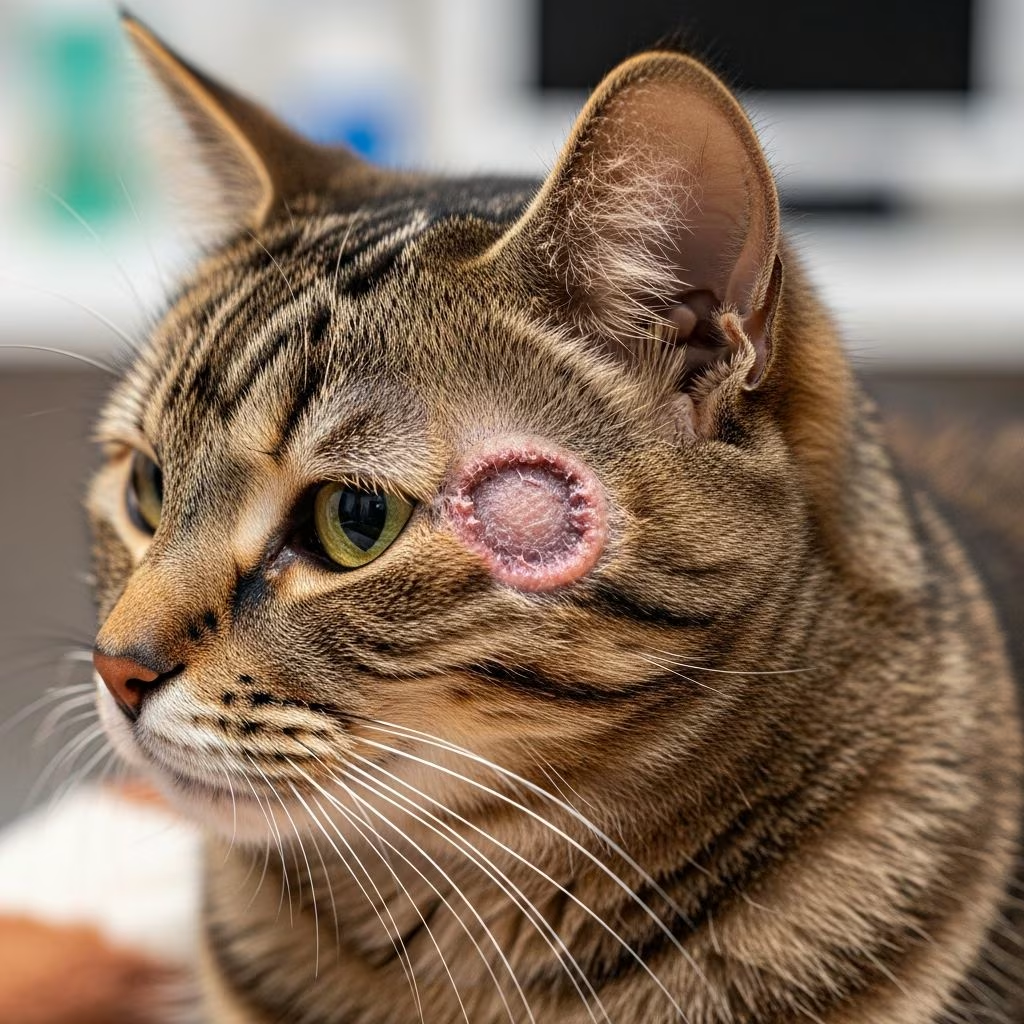
The most distinctive sign of ringworm is the appearance of circular or irregular patches of hair loss, known as alopecia. These lesions typically have a well-defined border and may appear scaly or inflamed. In many cases, the affected areas develop a red, irritated margin with scaling or crusting. The hair loss may be accompanied by broken hair shafts rather than complete hair removal from the root.
Itching and Discomfort
While some cats with ringworm may show minimal itching, others may experience significant discomfort. Affected cats might excessively groom the infected areas, leading to further hair loss and potential secondary skin infections. You may notice your cat scratching, licking, or biting at the affected patches more frequently than normal.
Other Symptoms
Additional signs of ringworm may include scaling and flaking of the skin, nail infections (where nails become brittle or deformed), and in severe cases, widespread skin involvement. Some cats may also develop crusted lesions or pustules on the affected areas. In immunocompromised cats or those with systemic involvement, the infection may progress to multiple areas of the body.
Diagnosing Ringworm in Cats
Accurate diagnosis of ringworm requires professional veterinary evaluation. While the characteristic appearance of lesions may suggest ringworm, definitive diagnosis typically involves multiple diagnostic methods.
Visual Examination
Your veterinarian will begin with a thorough visual examination of your cat’s skin and coat. They will look for the characteristic circular lesions with red, scaly borders. However, visual examination alone is not sufficient for diagnosis, as other skin conditions can present similarly.
Wood’s Lamp Test
A Wood’s lamp, also called a fluorescent lamp, is a diagnostic tool that emits ultraviolet light at a specific wavelength. When this light is directed at fungal infections caused by certain dermatophytes, particularly some strains of Microsporum canis, the affected areas may fluoresce with a characteristic blue-green color. However, not all ringworm cases will fluoresce under a Wood’s lamp, so this test is primarily used as an initial screening tool. A positive Wood’s lamp result is strongly suggestive of ringworm, but a negative result does not rule out the condition.
Fungal Culture
Fungal culture is considered the gold standard diagnostic method for ringworm. During this test, your veterinarian will collect samples of hair and skin scrapings from the affected areas and place them on a specialized culture medium, typically Sabouraud agar. The samples are then incubated in a laboratory to allow the fungus to grow. A positive culture provides definitive confirmation of ringworm and identifies the specific fungal species involved. This information can be useful in determining the most effective treatment approach. While fungal culture is the most accurate diagnostic method, results can take anywhere from a few days to three weeks, depending on the growth rate of the fungus.
Microscopic Examination
Your veterinarian may also examine plucked hairs and skin cells under a microscope to look for fungal spores and structures. This can provide quick preliminary results and help guide initial treatment decisions while awaiting culture confirmation.
Treatment Options for Ringworm in Cats
Treating ringworm in cats requires a comprehensive, multi-faceted approach. Successful treatment involves a combination of topical therapy, systemic oral medication, and environmental decontamination. The specific treatment plan will depend on the extent of the infection, the cat’s overall health status, and whether other animals are present in the household.
Topical Therapy
Topical antifungal treatments are applied directly to the affected areas of the skin. These medications come in various forms, including creams, ointments, and medicated shampoos. Common topical treatments include miconazole shampoo combined with chlorhexidine, lime sulfur solution, and enilconazole rinses. Topical therapy is most effective for cats with a limited number of localized lesions. These treatments help kill the fungus on the skin’s surface and promote healing. It is essential to follow your veterinarian’s instructions carefully regarding application frequency and duration, as inconsistent use can prolong the infection.
Systemic Oral Medication
For cats with more extensive involvement or when topical treatments alone are insufficient, oral antifungal medications are prescribed. The most commonly used systemic antifungals are itraconazole and terbinafine. These medications work from within the body to eliminate the fungal infection throughout the skin and hair. Oral medications are particularly important for treating cats in multi-pet households or those with widespread lesions. It is crucial to complete the full prescribed course of treatment, even if symptoms improve, as premature discontinuation can result in treatment failure and recurrence of the infection.
Duration of Treatment
Ringworm treatment is typically a lengthy process. Most cases require a minimum of four to six weeks of combined topical and systemic therapy, though some infections may take several months to resolve completely. Treatment is generally continued until the cat tests negative on consecutive fungal cultures, typically spaced one to three weeks apart. Your veterinarian will monitor your cat’s progress with periodic fungal cultures to determine when treatment can be safely discontinued.
Environmental Decontamination
One of the most critical components of ringworm treatment is thorough environmental decontamination. Fungal spores can persist on surfaces for extended periods, and failure to adequately decontaminate the environment can lead to treatment failure and reinfection. Here are essential steps for environmental control:
Cleaning and Disinfection
Regularly clean and disinfect all areas where your cat spends time. This includes bedding, furniture, litter boxes, food and water bowls, and grooming supplies. Fungal spores can survive on these surfaces, potentially reinfecting your cat or transmitting the infection to other animals. Wash all fabric items, including cat bedding and blankets, in hot water. Vacuum carpets and upholstered furniture thoroughly to remove fungal spores.
Instrument Sterilization
If your cat’s hair requires clipping to facilitate treatment, all clipping instruments must be properly sterilized. Use chemical or heat sterilization methods before and after use. Clipped fur should be wrapped and carefully disposed of to prevent spore dispersal. Ideally, any hair clipping should be done in your cat’s own home environment rather than in a veterinary clinic to minimize contamination risk in shared facilities.
Grooming Tool Management
Grooming tools such as brushes, combs, and nail clippers should be disinfected regularly. Consider using separate grooming tools for an infected cat to prevent cross-contamination with other pets.
Special Considerations for Multi-Pet Households
If you have multiple pets, ringworm management becomes more complex. All animals in the household should be examined by a veterinarian, even if they do not show symptoms. Some cats and other animals may be asymptomatic carriers of the fungus. Infected cats should ideally be isolated from other pets during treatment to minimize the risk of transmission. However, complete isolation is often impractical in family settings. If separation is not possible, maintain strict hygiene practices and frequently clean all shared spaces. Careful monitoring of all household pets for signs of ringworm is essential during and after treatment.
Prevention of Ringworm in Cats
While ringworm is a common infection, several preventive measures can reduce the risk of your cat contracting the fungus. Maintaining good overall health through a balanced diet, regular exercise, and routine veterinary care strengthens your cat’s immune system and improves its ability to resist infection. Regular veterinary check-ups allow for early detection of any health issues. If your cat has outdoor access, limiting exposure to potentially infected animals and contaminated environments can reduce transmission risk. Regular grooming and bathing help maintain skin health and allow for early detection of any skin abnormalities.
Prognosis and Recovery
The prognosis for ringworm in cats is generally excellent, particularly with appropriate and consistent treatment. In healthy adult cats, ringworm is often self-limiting and may resolve spontaneously within approximately three months without treatment. However, treatment can significantly shorten the duration of infection and reduce transmission risk. Young kittens and immunocompromised cats may take longer to recover and may require extended treatment periods. Even after clinical signs resolve, cats may continue to carry fungal spores, so it is important to continue treatment and monitoring until your veterinarian confirms complete clearance through negative fungal cultures.
Frequently Asked Questions About Ringworm in Cats
Can ringworm in cats spread to humans?
Yes, ringworm is zoonotic, meaning it can be transmitted from cats to humans. People who come into contact with an infected cat or contaminated surfaces can develop ringworm. Practice good hygiene, including regular handwashing, especially after handling an infected cat or cleaning areas where the cat spends time.
How long does ringworm treatment take?
Treatment typically requires a minimum of four to six weeks, though some cases may require several months. Treatment continues until the cat tests negative on consecutive fungal cultures.
Is ringworm a medical emergency?
While ringworm is generally not life-threatening, signs such as rapid hair loss, severe skin irritation, extensive crusting lesions, or behavioral changes warrant prompt veterinary attention to prevent complications and minimize transmission risk.
Can indoor cats get ringworm?
Yes, indoor cats can contract ringworm through contact with contaminated objects, other infected animals, or spores carried in on clothing or shoes. Indoor cats are not immune to this fungal infection.
Should I isolate my cat during ringworm treatment?
In multi-pet households, isolation of the infected cat reduces transmission risk to other animals. However, if complete isolation is not practical, maintain strict hygiene protocols and monitor all household pets closely.
Is there a vaccine for ringworm in cats?
Currently, safe and effective vaccines for cats against ringworm are unavailable. Prevention focuses on maintaining good hygiene, regular veterinary care, and minimizing exposure to infected animals and contaminated environments.
References
- Ringworm in Cats (Dermatophytosis) — UC Davis School of Veterinary Medicine. 2024. https://healthtopics.vetmed.ucdavis.edu/health-topics/ringworm-cats-dermatophytosis
- GUIDELINE for Dermatophytosis, Ringworm in Cats — ABCD Cats & Vets. 2024. https://www.abcdcatsvets.org/guideline-for-dermatophytosis-ringworm-in-cats/
- Ringworm: A Serious but Readily Treatable Affliction — Cornell Feline Health Center, Cornell University College of Veterinary Medicine. 2024. https://www.vet.cornell.edu/departments-centers-and-institutes/cornell-feline-health-center/health-information/feline-health-topics/ringworm-serious-readily-treatable-affliction
- Ringworm in Cats: Signs, Symptoms, and Treatment — Marina View Animal Veterinary Clinic. 2024. https://mvavets.com/blog/ringworm-in-cats-signs-symptoms-and-treatment/
- Ringworm in Cats — PetMD. 2024. https://www.petmd.com/cat/conditions/skin/ringworm-in-cats



