

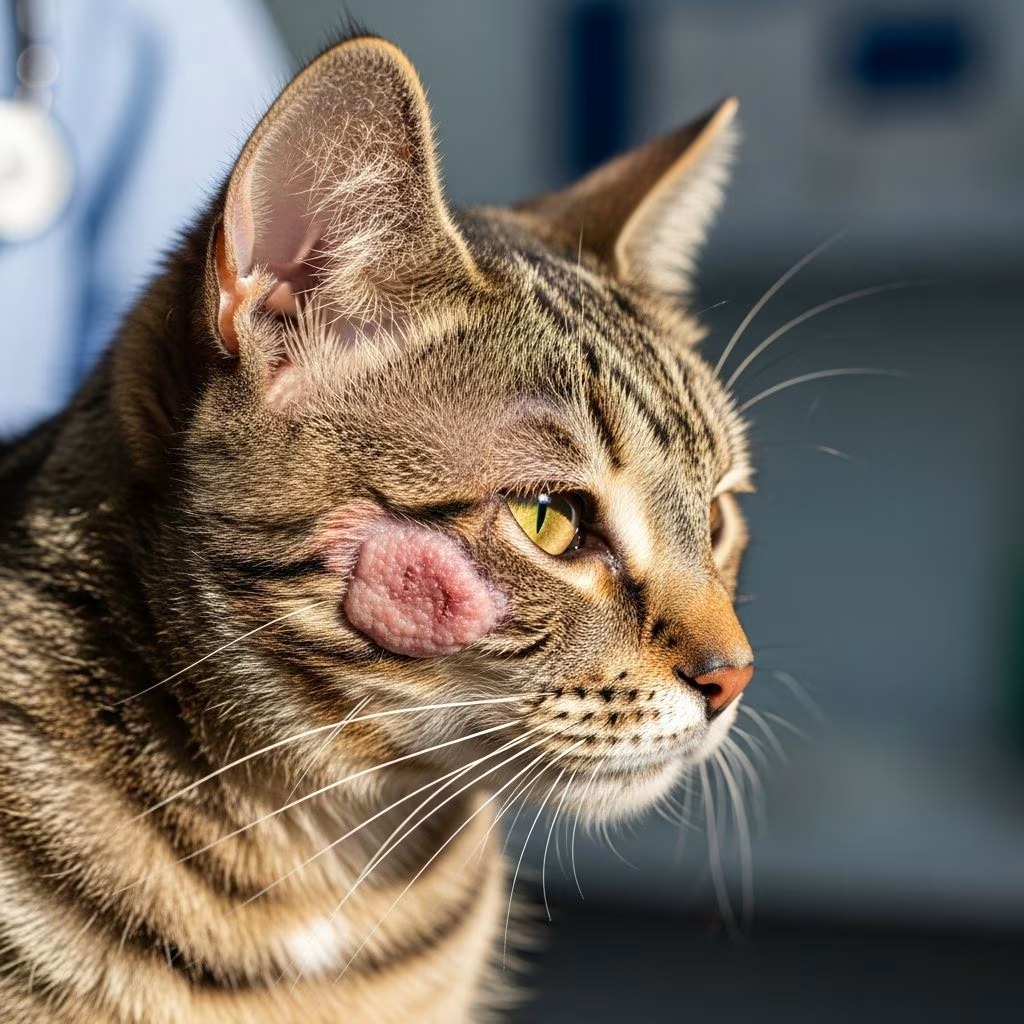
Understanding Ringworm in Cats
Ringworm is a common fungal infection that affects cats of all ages and breeds. Despite its misleading name, ringworm is not caused by a worm but rather by dermatophyte fungi that infect the skin, hair, and nails of your feline companion. This highly contagious condition can spread quickly between pets and can even be transmitted to humans, making prompt diagnosis and treatment essential.
The most common fungal species responsible for ringworm in cats is Microsporum canis, which accounts for approximately 90% of all feline ringworm cases. Other species like Trichophyton tonsurans and Microsporum persicolor can also cause the infection, though they are less common.
How Cats Get Ringworm
Ringworm is highly contagious and spreads through multiple pathways. Cats can contract ringworm through direct contact with infected animals, including other cats, dogs, and wildlife. However, direct physical contact is not always necessary for transmission to occur.
The fungal spores shed by infected animals into the environment can survive for extended periods on various surfaces, making indirect transmission possible. These spores can contaminate bedding, furniture, grooming tools, and other household items. When a cat comes into contact with these contaminated surfaces, the spores can penetrate the skin and initiate infection. People can also inadvertently bring ringworm spores into the home on their clothing, hands, or shoes after contact with infected animals, posing a transmission risk to indoor cats.
Certain cats are at higher risk for ringworm infection, including:
- Kittens and senior cats with developing or weakening immune systems
- Cats with existing skin conditions or open wounds
- Cats living in crowded environments or shelters
- Long-haired cats, whose dense coats provide an ideal environment for fungal growth
- Cats with poor nutrition or underlying health conditions
Recognizing Ringworm Symptoms
The symptoms of ringworm in cats can vary significantly, and some infected cats may show minimal or no obvious signs of discomfort while still carrying and spreading the fungus. Being aware of the various presentation patterns is crucial for early detection.
Common physical signs of ringworm include:
- Circular or oval-shaped bald patches, typically appearing on the face, ears, feet, or tail
- Scaly or crusty patches of skin, often with a characteristic ‘ring’ appearance with a red or inflamed border
- Mild itching or scratching, though some cats experience significant discomfort
- Broken or brittle hair around affected areas
- Red or inflamed skin surrounding lesions
- Nail infections or discoloration in severe cases
In some cases, secondary bacterial infections can develop when cats scratch at ringworm lesions, leading to increased redness, swelling, or pus production. These secondary infections require additional treatment and can complicate the recovery process.
Diagnosis of Ringworm
A definitive diagnosis of ringworm is essential before beginning treatment, as many other skin conditions present with similar symptoms. Your veterinarian will use several diagnostic methods to confirm ringworm:
Wood’s Lamp Examination: Some ringworm spores fluoresce under an ultraviolet light called a Wood’s lamp, which can aid in diagnosis. However, not all ringworm cases will show fluorescence, so this test alone is not conclusive.
Fungal Culture: This is the most reliable diagnostic method. Your veterinarian will collect hair, skin cells, and debris from the affected areas using a sterile swab or brush and send the sample to a laboratory for analysis. Fungal cultures typically take 10-14 days to produce results but provide definitive identification of the fungal species involved.
KOH Preparation: Potassium hydroxide (KOH) preparations involve treating hair and skin samples with a chemical solution to reveal fungal elements under microscopic examination.
Treatment Options for Ringworm
Effective treatment of ringworm typically requires a combination approach involving topical medications, oral antifungal drugs, environmental decontamination, and isolation of the affected cat.
Topical Therapy
Topical treatments are often the first line of defense against ringworm. These medications are applied directly to the affected areas and work by killing fungal spores on the skin’s surface while reducing the spread of infection. Common topical treatments include:
- Medicated shampoos containing miconazole and chlorhexidine
- Antifungal creams and ointments applied directly to lesions
- Lime sulfur dips used twice weekly for enhanced effectiveness
Topical treatment will usually be necessary for several weeks to several months, depending on the severity of the infection. Many cats dislike bathing, so administering these treatments can be challenging for pet owners. However, consistency is crucial for successful treatment outcomes.
Oral Medications
In more severe cases or when ringworm affects large areas of the body, oral antifungal medications become necessary. These systemic medications treat the infection from within the body and are essential when topical therapy alone proves inadequate. The most commonly prescribed oral antifungal drugs include:
- Itraconazole (Itrafungol®, Sporanox®)
- Terbinafine (Lamisil®)
Treatment typically lasts a minimum of six weeks, though some cases require extended therapy. Your veterinarian will determine the appropriate duration based on your cat’s response to treatment and may recommend periodic fungal cultures to monitor progress.
Hair Clipping
In some cases, your veterinarian may recommend clipping the hair around affected lesions to improve the effectiveness of topical treatments and reduce the number of fungal spores in the environment. For generalized infections or long-haired breeds, shaving the entire coat may be recommended to facilitate treatment application and reduce environmental contamination.
Environmental Decontamination
A critical component of ringworm treatment involves eliminating fungal spores from the home environment. Since ringworm spores can survive in the environment for extended periods, thorough cleaning and decontamination are essential for preventing reinfection and protecting other household members.
Comprehensive environmental decontamination includes:
- Vacuuming all floors, carpets, upholstery, and soft furnishings thoroughly and frequently
- Mopping hard floors with appropriate disinfectants
- Carpet shampooing with antifungal or disinfectant solutions
- Washing all bedding, pet beds, blankets, and soft toys in hot water with appropriate detergents regularly
- Disinfecting hard surfaces including pet carriers, toys, grooming tools, and furniture using a dilute bleach solution
- Regularly disposing of hair collected from grooming brushes
- Using specialized fungicidal sprays for less accessible areas
After bathing or treating your cat with antifungal medications, thoroughly wash your hands and sanitize any surfaces your cat may have contacted using appropriate disinfectants.
Isolating Your Infected Cat
Isolating the affected cat during treatment significantly reduces the risk of spreading ringworm to other pets and household members. Ideally, house the infected cat in a separate room with its own litter box, food and water bowls, bedding, and toys. This containment prevents spore transmission through direct contact and reduces environmental contamination of shared spaces.
During isolation, practice stringent hygiene measures including wearing gloves when handling your infected cat, washing your hands thoroughly with soap and water afterward, and changing clothes to prevent carrying spores to other areas of your home.
Prevention of Ringworm in Cats
While ringworm cannot be completely prevented, several strategies can significantly minimize the risk of infection:
Indoor Management
Keeping your cat indoors and away from outdoor cats and wildlife is the most effective prevention strategy. Indoor cats have minimal exposure to ringworm spores and infected animals. For cats with outdoor access, limiting time outside and preventing contact with potentially infected animals reduces transmission risk.
Home Hygiene
Regularly cleaning your home removes any fungal spores that may have been brought indoors by people or outdoor pets. Maintaining a clean living environment through consistent vacuuming, dusting, and surface disinfection helps reduce spore accumulation and transmission risk.
Parasite Prevention
Using year-round flea prevention helps prevent other common skin issues such as flea allergy dermatitis, which can increase susceptibility to ringworm infection. Skin conditions causing itchiness can lead to open sores and lesions more vulnerable to ringworm spores.
New Pet Screening
Having any new pets examined by a veterinarian before bringing them into your household and exposing them to other animals helps prevent introducing ringworm to your home.
Routine Veterinary Care
Regular veterinary checkups, including frequent grooming assessments, allow early detection of skin issues like ringworm before symptoms become severe. Prompt veterinary attention to any skin lesions ensures early diagnosis and treatment.
Nutritional Support
Feeding your cat a balanced, nutritious diet that supports immune system health reduces infection risk. Consult your veterinarian for dietary recommendations tailored to your cat’s specific needs.
Stress Management
Minimizing stress through a calm environment and consistent daily routine provides a helpful boost to your cat’s immune health, reducing infection risk.
Treatment Timeline and Recovery
Ringworm treatment requires patience and consistency. The infection can take multiple weeks to months to fully resolve, depending on the severity of infection and individual cat response to treatment. Your veterinarian may recommend periodic fungal cultures after beginning treatment to determine if your cat remains infected and to assess treatment effectiveness.
Discontinuing treatment too early increases the risk of disease recurrence, even if symptoms appear to have resolved. Complete resolution requires eliminating all fungal elements from both your cat’s body and the home environment.
When to Seek Veterinary Care
Contact your veterinarian immediately if you notice any symptoms suggestive of ringworm, including circular bald patches, scaly skin lesions, or unusual scratching behavior. Early diagnosis and treatment significantly improve outcomes and reduce transmission risk. This is particularly important if you have multiple cats, other pets, or young children in your household who could be vulnerable to infection.
Frequently Asked Questions About Ringworm in Cats
Q: Can ringworm in cats be treated at home?
A: While antifungal medications prescribed by your veterinarian can be administered at home, ringworm cannot be adequately treated with home remedies or over-the-counter treatments alone. Professional veterinary diagnosis and prescribed medications are essential for effective treatment. Natural treatments or home remedies are unlikely to provide adequate treatment and may be harmful.
Q: How long does ringworm treatment typically take?
A: Treatment usually lasts a minimum of six weeks, though some cases may require several months of continued therapy. The duration depends on the infection severity, your cat’s individual response to treatment, and whether environmental decontamination is maintained throughout the treatment period.
Q: Can humans catch ringworm from cats?
A: Yes, ringworm can be transmitted from cats to humans. This is why isolation of infected cats and strict hygiene practices, including hand washing and wearing gloves during handling, are so important.
Q: Will my cat’s fur grow back after ringworm treatment?
A: Yes, in most cases cat fur will regrow after successful treatment. However, the regrowth process takes time, and some cats may have delayed or incomplete hair regrowth in severely affected areas.
Q: How can I prevent ringworm from spreading to my other pets?
A: Isolate the infected cat in a separate room, practice strict hygiene including hand washing and wearing gloves, thoroughly clean and disinfect shared spaces regularly, and wash your hands before handling uninfected pets.
Q: Are certain cat breeds more susceptible to ringworm?
A: Long-haired cat breeds may be more susceptible to ringworm due to their dense coats providing an ideal environment for fungal growth. However, any cat can contract ringworm regardless of breed.
References
- How to prevent and treat ringworm in cats — Vetster. 2024. https://vetster.com/en/wellness/how-to-prevent-and-treat-ringworm-in-cats
- Ringworm in Cats: Signs, Symptoms, Treatment — UrgentVet. 2024. https://urgentvet.com/ringworm-in-cats-signs-symptoms-treatment/
- Ringworm in Cats — PetMD. 2024. https://www.petmd.com/cat/conditions/skin/ringworm-in-cats
- Ringworm in Cats — VCA Animal Hospitals. 2024. https://vcahospitals.com/know-your-pet/ringworm-in-cats
- Ringworm in Cats: Symptoms & Treatment — Vets4Pets. 2024. https://www.vets4pets.com/pet-health-advice/cat-advice/ringworm-in-cats/
- Ringworm – signs, diagnosis and treatment — Vetwest Animal Hospitals. 2024. https://www.vetwest.com.au/pet-library/ringworm-signs-diagnosis-and-treatment/
- What Is Ringworm in Cats? Symptoms and Treatment — GoodRx. 2024. https://www.goodrx.com/pet-health/cat/ringworm-in-cats



