
Ringworm in Cats: Symptoms, Diagnosis, and Treatment
Complete guide to understanding, identifying, and treating ringworm in cats effectively.
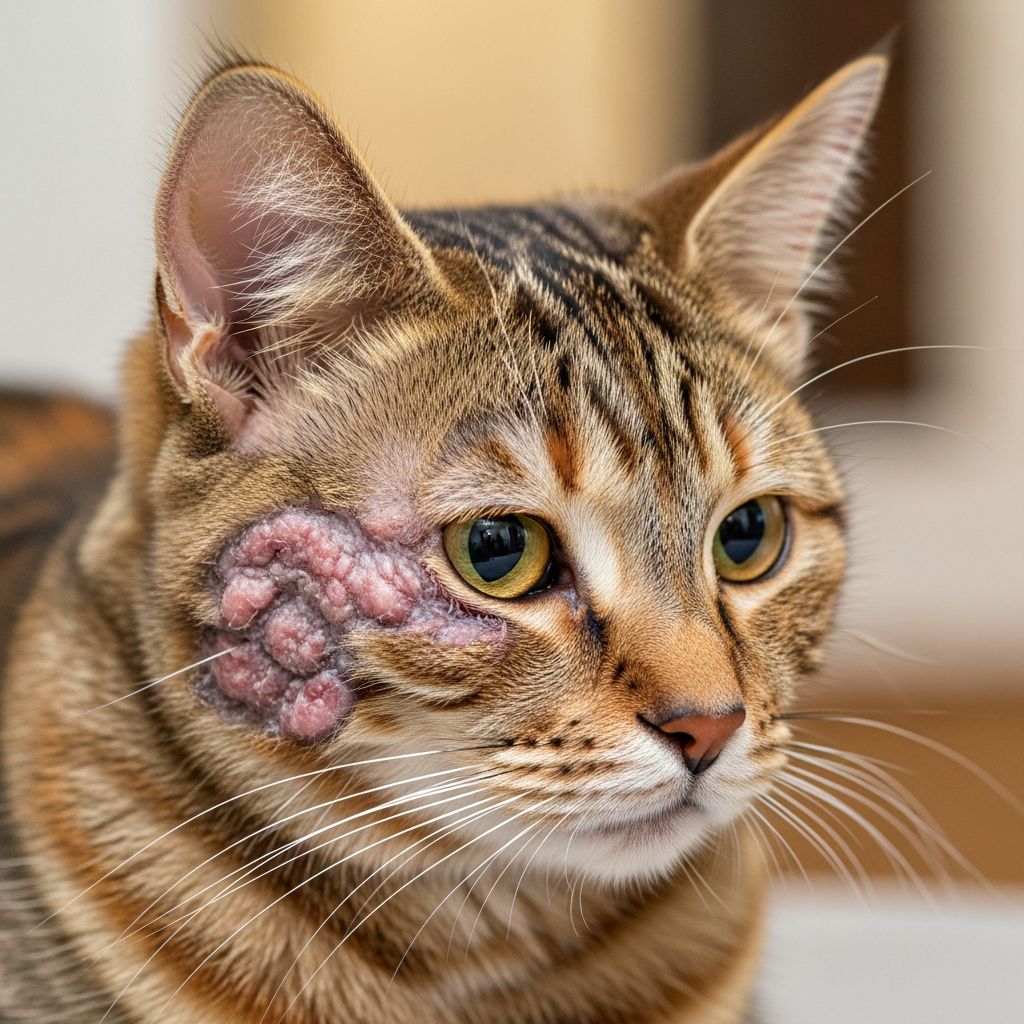
Understanding Ringworm in Cats
Ringworm is a fungal infection that affects cats of all ages, breeds, and lifestyles. Despite its name, ringworm is not caused by a worm but rather by dermatophyte fungi that infect the outer layer of a cat’s skin, hair, and claws. This contagious condition is one of the most common fungal infections seen in feline medicine and can spread to other animals and humans, making prompt diagnosis and treatment essential.
The infection is caused by fungi such as Microsporum canis, which accounts for approximately 90% of ringworm cases in cats, and other species like Trichophyton tonsurans. Cats with compromised immune systems, kittens, senior cats, and those living in multi-cat households are at higher risk of developing ringworm. Understanding the symptoms, diagnostic procedures, and treatment options will help you provide the best care for your feline companion.
Recognizing the Symptoms of Ringworm
Ringworm presents with a variety of clinical signs that cat owners should recognize. While some infected cats may show mild symptoms, others can develop more severe manifestations. Being familiar with these signs will help you seek veterinary care promptly.
Common Physical Signs
The most characteristic symptoms of ringworm in cats include:
– Circular areas of hair loss, often appearing on the face, ears, feet, or tail- Broken and stubbly hair in affected regions- Scaling or crusty skin that may appear dry and flaky- Alterations in hair or skin color, sometimes appearing gray or reddish- Inflamed or red areas of skin- Thickened patches of skin- Red or gray, scaly lesions typically on the head, chest, front legs, and spine
Behavioral Indicators
Beyond physical symptoms, you may notice behavioral changes in your infected cat. These can include excessive grooming and scratching at affected areas, which may lead to secondary skin infections. In some cases, cats may have infected claws or nail beds, causing them to be reluctant to use their paws or showing signs of discomfort during grooming.
It’s important to note that some cats are asymptomatic carriers of ringworm, meaning they harbor the fungus without showing visible signs. These cats can still transmit the infection to other animals and humans, making routine health checks valuable even when no obvious symptoms are present.
How Ringworm Spreads
Understanding transmission is crucial for prevention and managing the infection in multi-pet households. Ringworm spreads through direct contact with infected hair, skin, or nails. The fungal spores are extremely hardy and can survive in the environment for extended periods, contaminating bedding, grooming tools, furniture, and other surfaces.
Cats can contract ringworm from infected animals, contaminated objects, or even from soil. Additionally, ringworm is a zoonotic disease, meaning it can be transmitted from infected cats to humans who come into contact with them. This poses a significant health concern, particularly for children, elderly individuals, and people with compromised immune systems.
Diagnostic Methods for Ringworm
Accurate diagnosis is essential before beginning treatment. Your veterinarian will employ multiple diagnostic techniques to confirm ringworm and identify the specific fungal species involved.
Wood’s Lamp Examination
One common diagnostic tool is a Wood’s lamp, which emits ultraviolet light that can reveal certain types of ringworm. When fungal spores are present, the affected hair and skin may glow a distinctive blue-green or copper-orange color under this specialized lamp. However, it’s important to understand that this test isn’t always reliable, as certain other substances can cause similar fluorescence. Despite its limitations, a positive Wood’s lamp examination can raise suspicion of ringworm and guide further testing.
Fungal Culture
The most accurate and definitive diagnostic method is fungal culture. Your veterinarian will collect hair and skin scrapings from affected areas or from the entire coat if the infection appears generalized. These samples are then placed in a laboratory culture medium where the fungus can grow under controlled conditions. While a positive culture can sometimes be confirmed within a few days, the fungal spores may grow slowly, and results can take up to three weeks to fully develop.
PCR Testing
Modern veterinary practices may also utilize PCR (polymerase chain reaction) testing, which helps identify the specific fungus causing the ringworm infection. This molecular diagnostic method can provide faster and more precise identification than traditional culture methods, allowing veterinarians to tailor treatment protocols accordingly.
Treatment Options for Ringworm
Successful ringworm treatment requires a comprehensive, multi-faceted approach combining topical medications, systemic antifungal drugs, and environmental decontamination. Treatment duration typically lasts a minimum of four to six weeks, though some cases may require several months of therapy.
Topical Treatment
Topical antifungal medications are applied directly to the infected areas of your cat’s skin and coat. Common topical treatments include:
– Antifungal creams and ointments applied to localized lesions- Medicated shampoos containing miconazole and chlorhexidine, applied twice weekly- Lime sulfur dips, considered highly effective and safe, though they may produce a rotten egg odor and temporarily yellow light-colored coats- Enilconazole solution body rinses for more extensive infections
Topical treatment alone may be sufficient for cats with small, isolated lesions, but most cases require combination therapy. Your veterinarian may recommend clipping hair in affected areas to allow better medication penetration. For generalized disease or longhaired breeds, full-body clipping may be necessary to facilitate treatment and prevent the fungus from hiding in thick fur.
Systemic Oral Treatment
Most ringworm cases require oral antifungal medication to achieve complete cure. The most commonly prescribed oral medications are:
– Itraconazole (brand names Itrafungol, Sporanox): Often administered as pulse therapy, where the cat receives medication for one week, then takes a week off, alternating for several weeks. This protocol is effective, reduces treatment costs, and may increase both mycological and clinical cure rates.- Terbinafine (Lamisil): An alternative oral antifungal medication used when itraconazole is ineffective or contraindicated.
The response to treatment varies among individual cats, and stopping therapy too soon can result in disease recurrence. Treatment is typically continued until two consecutive negative ringworm cultures are obtained, usually two to four weeks apart.
Environmental Decontamination
Eliminating environmental contamination is critical for treatment success, particularly in multi-cat households. Fungal spores can survive on surfaces for extended periods, so thorough cleaning is essential. After treating your cat, wash your hands and sanitize all surfaces using a dilute bleach solution. Wash and disinfect bedding, grooming tools, and any items the cat has contacted. In severe cases or multi-cat situations, professional environmental remediation may be necessary.
Treatment Effectiveness and Duration
Most mild cases of ringworm resolve with appropriate treatment in two to four weeks. However, moderate to severe infections may require four to six weeks or longer of combined therapy. Your veterinarian will perform periodic ringworm cultures after treatment begins to monitor progress and determine when your cat has achieved mycological cure.
For cats in groups or those with extensive lesions, therapeutic measures should include a combination of systemic and topical treatment, maintained for at least ten weeks. Cats should be treated not only until lesions completely disappear but until the dermatophyte can no longer be cultured from the hair on at least two sequential brushings one to three weeks apart.
Prevention and Management
While vaccines are unavailable for ringworm protection, several preventive measures can reduce infection risk:
– Maintain good hygiene and regularly clean your cat’s living environment- Isolate infected cats from other animals during treatment- Wear gloves when handling infected cats or contaminated materials- Wash hands thoroughly after handling your cat- Keep your cat’s immune system strong through proper nutrition and healthcare- Avoid introducing infected animals to your household
Frequently Asked Questions
Q: Can humans catch ringworm from cats?
A: Yes, ringworm is a zoonotic disease that can transmit from infected cats to humans. Practicing good hygiene, including hand washing and wearing gloves when handling infected cats, significantly reduces transmission risk.
Q: How long does ringworm treatment take in cats?
A: Treatment typically lasts a minimum of four to six weeks, though some cases may require several months. Your veterinarian will perform periodic cultures to determine when your cat has achieved complete mycological cure.
Q: What should I do if my cat is diagnosed with ringworm?
A: Follow your veterinarian’s treatment protocol exactly, which usually includes oral and topical medications. Thoroughly decontaminate your home, isolate your cat from other pets if possible, and practice strict hygiene measures including hand washing and surface disinfection.
Q: Can ringworm return after treatment?
A: Yes, if treatment is stopped prematurely or if environmental decontamination is inadequate, ringworm can recur. Complete treatment until two consecutive negative cultures are obtained significantly reduces recurrence risk.
Q: Are certain cats more susceptible to ringworm?
A: Kittens, senior cats, cats with compromised immune systems, and those in multi-cat households are at higher risk. Additionally, cats living in humid or warm environments may be more susceptible to fungal infections.
Conclusion
Ringworm in cats is a serious but readily treatable fungal infection that requires prompt veterinary attention and comprehensive management. By recognizing the symptoms early, obtaining accurate diagnosis, and following your veterinarian’s treatment recommendations diligently, you can successfully eliminate the infection and prevent transmission to other animals and family members. Remember that successful treatment involves not just medicating your cat but also thoroughly decontaminating the environment and maintaining strict hygiene practices throughout the treatment period.
References
- Ringworm in Cats — VCA Animal Hospitals. 2024. https://vcahospitals.com/know-your-pet/ringworm-in-cats
- Ringworm: A Serious but Readily Treatable Affliction — Cornell Feline Health Center, Cornell University College of Veterinary Medicine. 2024. https://www.vet.cornell.edu/departments-centers-and-institutes/cornell-feline-health-center/health-information/feline-health-topics/ringworm-serious-readily-treatable-affliction
- Cat Ringworm: Signs, Spread, Diagnosis, Treatment — Best Friends Animal Society. 2024. https://bestfriends.org/pet-care-resources/cat-ringworm-signs-spread-diagnosis-treatment
- GUIDELINE for Dermatophytosis, ringworm in cats — ABCD Cats & Vets. 2024. https://www.abcdcatsvets.org/guideline-for-dermatophytosis-ringworm-in-cats/
- Ringworm in Cats — Blue Cross. 2024. https://www.bluecross.org.uk/advice/cat/health-and-injuries/ringworm-in-cats
- Ringworm in Cats — PetMD. 2024. https://www.petmd.com/cat/conditions/skin/ringworm-in-cats
Similar Articles








Read full bio of Sneha Tete




