
Ringworm in Cats: Myths, Risks, and Solutions
Discover the truth about ringworm—a fungal foe mistaken for a parasite—and learn proven strategies to protect your cat from this persistent infection.
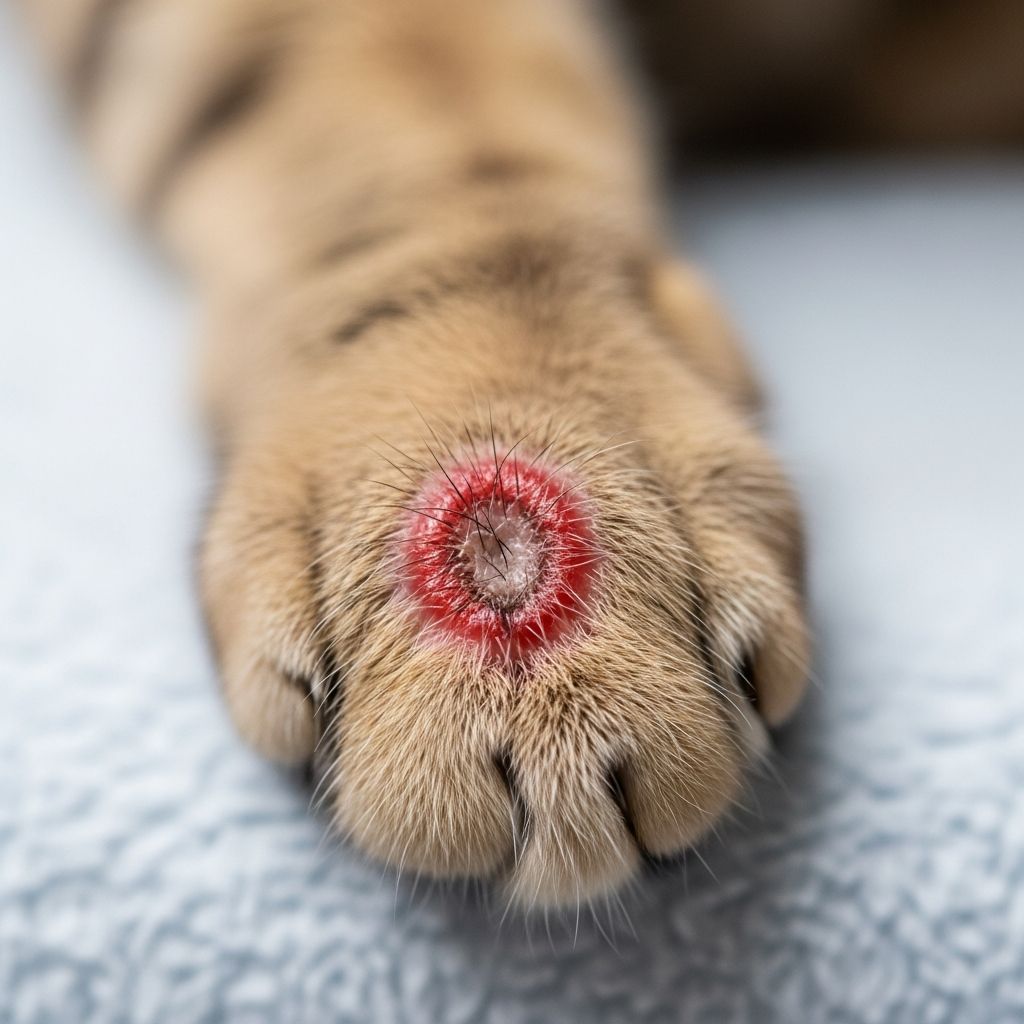
Ringworm, despite its misleading name, is a highly contagious fungal infection known scientifically as dermatophytosis that commonly affects cats. This condition causes skin lesions, hair loss, and potential spread to humans and other animals, requiring prompt veterinary intervention for resolution.
Understanding the Nature of Feline Ringworm
The term “ringworm” originates from the ring-like lesions observed in some cases, but no actual worm is involved. Instead, it stems from dermatophyte fungi, primarily Microsporum canis, which thrive on keratin in hair, skin, and nails. These fungi produce spores that persist in environments for months, posing ongoing risks even after visible symptoms fade.
Cats, especially kittens, long-haired breeds, and those with weakened immunity, serve as prime hosts. The infection invades hair shafts, leading to brittle fur and dermal inflammation. Unlike bacterial issues, ringworm spreads via direct contact or fomites like grooming tools and bedding.
Recognizing Early Warning Signs
Early detection hinges on spotting subtle changes before widespread involvement. Common indicators include:
- Circular or irregular bald patches, often on the head, ears, limbs, or trunk, with scaly, reddened skin beneath.
- Excessive grooming or scratching due to mild itchiness, potentially leading to self-trauma.
- Stubby, broken hairs around lesion edges and dull coat texture.
- Rarely, nail changes like thickening, distortion, or onychomycosis (fungal nail infection).
Some carrier cats show no symptoms yet shed infectious spores, underscoring the need for diagnostic testing over visual assessment alone. Secondary bacterial infections may arise, marked by swelling, pus, or intensified redness.
Diagnostic Approaches for Accurate Identification
Veterinarians employ multiple tools for confirmation, as symptoms mimic allergies, mites, or bacterial dermatitis. Key methods include:
- Wood’s Lamp Examination: Reveals fluorescence in about 50% of M. canis cases under ultraviolet light, serving as a quick screen.
- Microscopy: Direct exam of hair samples for fungal elements like arthrospores.
- Fungal Culture: Gold standard; hair plucks incubated on media yield results in 7-21 days, identifying species and treatment efficacy via follow-up tests.
Cultures guide therapy duration, typically continuing until two consecutive negatives, spaced 2-4 weeks apart.
Comprehensive Treatment Strategies
Successful management demands a three-pronged attack: systemic antifungals, topical applications, and environmental remediation. Single-modality approaches often fail, especially in multi-cat homes.
Systemic Antifungal Medications
Oral drugs target fungal replication internally, essential for generalized or persistent cases. Preferred options include:
| Drug | Dosage Example | Duration | Notes |
|---|---|---|---|
| Itraconazole | 5-10 mg/kg daily or pulse (1 week on/off) | 6+ weeks | Licensed for cats; well-tolerated; monitor liver. |
| Terbinafine | 30-40 mg/kg daily | 4-8 weeks | Effective; persists in hair; occasional GI upset. |
Treatment halts until negative cultures confirm clearance, preventing relapse.
Topical and Localized Therapies
These complement orals by reducing surface spores. Protocols involve:
- Medicated shampoos (miconazole + chlorhexidine) or lime sulfur dips twice weekly for whole-body application.
- Creams like miconazole, clotrimazole, or terbinafine on focal lesions.
- Clipping fur in severe cases to enhance penetration and decontamination.
Enilconazole rinses (0.2% solution) twice weekly prove highly effective per studies. Avoid over-the-counter human products without vet approval.
Environmental Control: Breaking the Cycle
Spore survival up to 18 months necessitates rigorous cleaning:
- Daily vacuuming of rugs, furniture; dispose bags immediately.
- Wash fabrics in hot water with antifungal additives; bleach hard surfaces (1:10 dilution).
- Use fungicidal sprays on inaccessible areas; isolate infected cats.
In shelters, cohort treatment and monitoring prevent outbreaks.
Prevention Tactics for Cat Owners
Proactive steps minimize incidence:
- Maintain robust nutrition and stress reduction to bolster immunity.
- Quarantine new cats; test strays before integration.
- Regular grooming and vet exams for early detection.
- Avoid communal grooming items; sanitize litter boxes weekly.
No vaccines exist, so hygiene reigns supreme.
Human Health Concerns and Zoonotic Risks
Ringworm transmits to people, especially immunocompromised or children, via contact with lesions or fomites. Lesions on hands or arms mimic tinea infections; treat with OTC antifungals after vet clearance for the cat. Handwashing post-handling is crucial.
Prognosis and Recovery Timeline
With adherence, 80-90% cure within 8-12 weeks, though long-haired cats may need clipping. Recurrence signals incomplete therapy or re-exposure. Monitor via cultures; patience yields full regrowth.
Frequently Asked Questions (FAQs)
Can ringworm resolve without treatment?
Rarely in healthy adults; most cases persist or spread without intervention.
Is ringworm painful for cats?
Usually mildly itchy, not acutely painful unless secondarily infected.
How long is a cat contagious?
Until two negative cultures; typically 3-6 weeks with treatment.
Can I treat ringworm at home?
No; vet-prescribed combos are essential to avoid resistance or failure.
Does shaving help?
Yes, for widespread cases, aiding topical efficacy and cleaning.
References
- Ringworm in Cats: Signs, Symptoms, Treatment — UrgentVet. 2023. https://urgentvet.com/ringworm-in-cats-signs-symptoms-treatment/
- Ringworm in Cats — VCA Animal Hospitals. 2024-10-15. https://vcahospitals.com/know-your-pet/ringworm-in-cats
- GUIDELINE for Dermatophytosis, ringworm in cats — ABCD cats & vets. 2023. https://www.abcdcatsvets.org/guideline-for-dermatophytosis-ringworm-in-cats/
- Ringworm in Cats — PetMD. 2024. https://www.petmd.com/cat/conditions/skin/ringworm-in-cats
Similar Articles








Read full bio of Sneha Tete




