

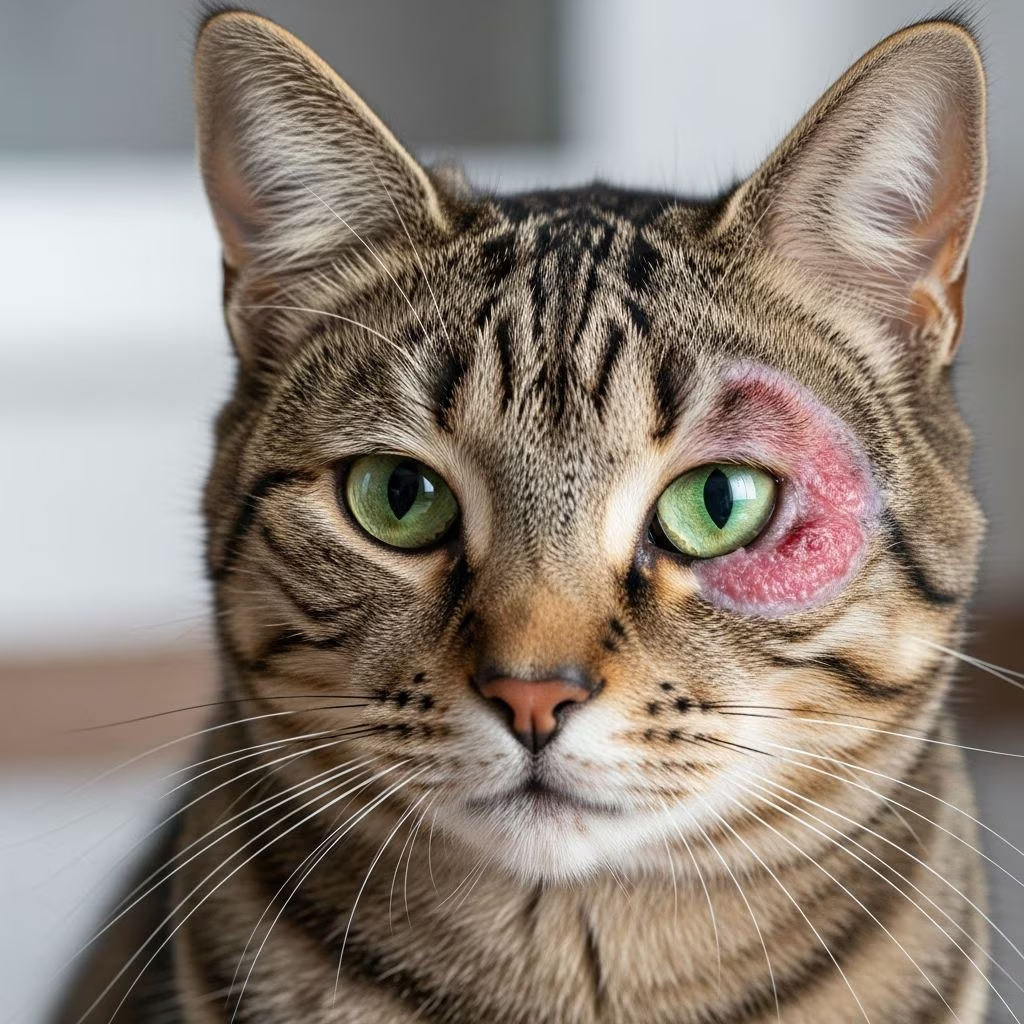
Ringworm, medically known as dermatophytosis, is a highly contagious fungal infection affecting a cat’s skin, hair, and nails. Despite its name, it is not caused by a worm but by dermatophyte fungi, primarily Microsporum canis, which thrives in feline hosts. This condition spreads easily between cats, to humans, and other animals, making prompt recognition and management essential for household safety.
Understanding the Fungal Culprit Behind Ringworm
The primary pathogen responsible for ringworm in cats is Microsporum canis, accounting for most cases in domestic felines. Other species like Trichophyton mentagrophytes or Microsporum gypseum can also cause infections, though less frequently. These fungi live on keratin in hair, skin, and claws, producing infectious spores that detach and spread through direct contact, shared grooming tools, bedding, or contaminated environments.
Kittens, long-haired breeds, and immunocompromised cats are particularly susceptible due to thinner skin barriers or weaker immune responses. Stress from overcrowding in shelters exacerbates outbreaks, as fungi flourish in warm, humid conditions. Spores can persist in the environment for up to 18 months, posing ongoing risks even after clinical resolution.
Spotting Early Warning Signs of Infection
Clinical manifestations vary widely; some cats remain asymptomatic carriers, shedding spores without visible issues. When symptoms appear, they often include:
- Circular patches of hair loss with broken hairs around edges, resembling a ‘ring’.
- Scaly, red, inflamed skin that may crust or ooze.
- Dull, brittle coat with excessive dandruff or flaking.
- Brittle, discolored nails that slough off (onychomycosis).
- Mild to intense itching, leading to overgrooming or self-trauma.
Lesions commonly start on the head, ears, or limbs but can generalize across the body in severe cases. In Persian or Himalayan cats, symptoms might mimic other dermatoses like allergies. Human transmission appears as itchy, ring-shaped rashes on arms or torso from petting infected cats.
Accurate Diagnosis: Beyond Visual Inspection
Veterinarians confirm ringworm through multiple tests since symptoms overlap with fleas, mites, or bacterial infections. Key diagnostics include:
- Wood’s Lamp Examination: Reveals apple-green fluorescence in 50-70% of M. canis cases, useful for screening but not definitive.
- Fungal Culture (DTM): Gold standard; hair samples grow fungi in 7-21 days, identifying species.
- Microscopy: Reveals fungal hyphae or spores in hair shafts under 400x magnification.
- PCR Testing: Rapid molecular detection for quick results in outbreaks.
Repeat cultures every 2-4 weeks monitor treatment progress; negativity on two consecutive tests (2-3 weeks apart) confirms cure.
Comprehensive Treatment Strategies
Successful management requires a multimodal approach: systemic antifungals, topical therapies, and environmental decontamination. Single-modality treatment often fails due to persistent spores.
Systemic Antifungal Medications
Oral drugs target fungal replication internally. Preferred options:
| Drug | Dosage | Duration | Notes |
|---|---|---|---|
| Itraconazole | 5-10 mg/kg daily or pulse (1 week on/off) | 6-12 weeks | Licensed for cats; superior efficacy, monitor liver enzymes. |
| Terbinafine | 30-40 mg/kg daily | 6-12 weeks | Cost-effective; persists in hair post-treatment. |
| Fluconazole | 5-10 mg/kg daily | Variable | Alternative for liver issues; less preferred. |
Pulse dosing with itraconazole reduces costs and side effects like anorexia or hepatotoxicity, but continuous therapy ensures faster clearance in shelters.
Topical Antifungal Applications
These eliminate surface spores and enhance cure rates when combined with orals. Twice-weekly full-body treatments are standard:
- Lime Sulfur Dips: 1:16-1:32 dilution; residual activity kills spores effectively despite odor.
- Enilconazole Rinses: 0.2% solution; excellent for multi-cat homes.
- Miconazole-Chlorhexidine Shampoos: Lather 10 minutes before rinsing.
- Creams/Ointments: Miconazole, clotrimazole, or terbinafine for focal lesions; prevent licking.
Clip hair coat in generalized cases to aid penetration; wear gloves during application.
Environmental Decontamination Protocols
Fungi contaminate 50-100% of an infected cat’s environment. Daily cleaning prevents reinfection:
- Vacuum carpets/furniture daily; seal and discard bags.
- Wash fabrics in hot water with detergent; dry on high heat.
- Disinfect hard surfaces with 1:10-1:30 bleach, accelerated hydrogen peroxide, or enilconazole.
- Discard heavily contaminated porous items.
Isolate infected cats until two negative cultures; treat all in-contact animals.
Potential Complications and Monitoring
Secondary bacterial infections from scratching prolong recovery. Monitor via weekly exams and cultures; premature treatment cessation leads to 40% recurrence. Rare antifungal side effects include vomiting or elevated liver values—baseline bloodwork is advised for prolonged therapy.
Preventing Future Outbreaks
Proactive steps minimize risks:
- Quarantine new cats for 2-3 weeks with cultures.
- Maintain low-stress, clean environments in catteries.
- Avoid sharing brushes or litter; regular flea control indirectly aids.
- No vaccines are reliably effective or recommended.
Owners handling strays or shelter cats should wash hands post-contact.
Frequently Asked Questions (FAQs)
Can ringworm in cats resolve without treatment?
Yes, but it may take months, risking spread to humans/pets and prolonged discomfort.
Is ringworm contagious to humans?
Highly; children, elderly, and immunocompromised are at higher risk. Practice hygiene.
How long does treatment last?
Minimum 6 weeks; continue until two negative cultures, often 8-12 weeks.
Can I treat my cat at home without a vet?
No; professional diagnosis and prescription antifungals are required for safety/efficacy.
What if my cat licks topical treatments?
Use e-collars; some like lime sulfur have low toxicity, but consult your vet.
Long-Term Prognosis and Cat Owner Tips
With adherence, 90-95% cure rates are achievable. Post-treatment, maintain grooming routines and monitor for relapse. This guide empowers cat owners to act swiftly, safeguarding feline and family health.
References
- Ringworm Management Playbook — Best Friends Animal Society. 2023. https://bestfriends.org/network/resources-tools/ringworm-management-playbook
- Ringworm in Cats — VCA Animal Hospitals. 2024. https://vcahospitals.com/know-your-pet/ringworm-in-cats
- GUIDELINE for Dermatophytosis, ringworm in cats — ABCD cats & vets. 2023. https://www.abcdcatsvets.org/guideline-for-dermatophytosis-ringworm-in-cats/
- Ringworm: A Serious but Readily Treatable Affliction — Cornell University College of Veterinary Medicine. 2023. https://www.vet.cornell.edu/departments-centers-and-institutes/cornell-feline-health-center/health-information/feline-health-topics/ringworm-serious-readily-treatable-affliction
- What Is Ringworm in Cats? Symptoms and Treatment — GoodRx. 2024. https://www.goodrx.com/pet-health/cat/ringworm-in-cats
- Ringworm (Dermatophytosis) in Cats — Merck Veterinary Manual. 2024. https://www.merckvetmanual.com/cat-owners/skin-disorders-of-cats/ringworm-dermatophytosis-in-cats
- Ringworm in Cats — PetMD. 2024. https://www.petmd.com/cat/conditions/skin/ringworm-in-cats



