
Ringworm in Cats: Diagnosis, Treatment, and Prevention
Complete guide to understanding, diagnosing, and treating ringworm infections in cats.
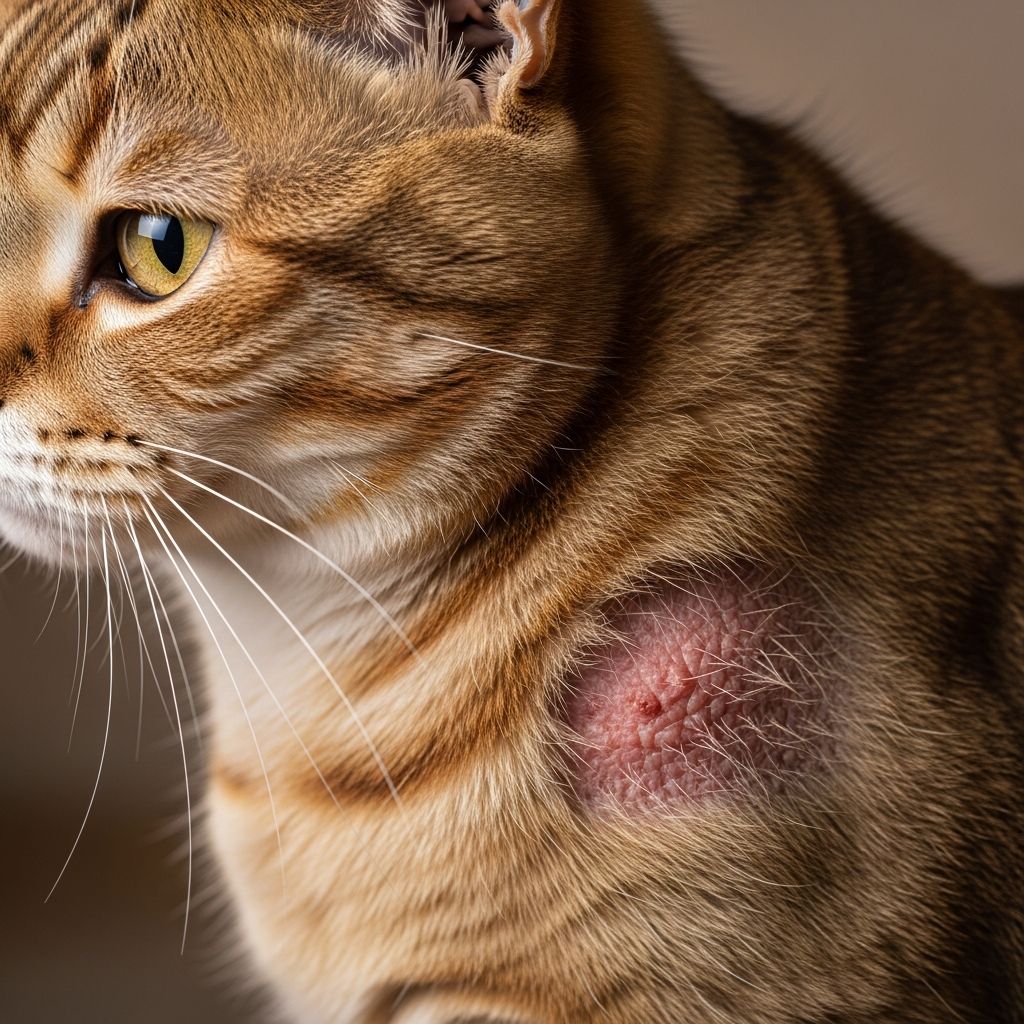
Understanding Ringworm in Cats
Ringworm is one of the most common fungal infections affecting cats, despite its misleading name suggesting a parasitic worm infestation. In reality, ringworm, or dermatophytosis, is a highly contagious fungal infection that affects the skin, hair, and nails of infected felines. The most common dermatophyte species found in cats is Microsporum canis, though other species can also cause infection. This fungal infection represents a significant concern for cat owners because it is zoonotic, meaning it can spread to humans as well as other animals in the household.
The fungal organisms responsible for ringworm are remarkably durable and persistent. They can survive on environmental surfaces for extended periods, potentially lasting years in some cases. This durability makes environmental contamination a crucial factor in the transmission and persistence of the infection. Dermatophytes spread easily through grooming equipment, toys, bedding, and can even be transmitted through contact with contaminated clothing or hands. The incubation period for ringworm typically ranges from four days to four weeks, meaning symptoms may not appear immediately after exposure.
Symptoms and Presentation of Ringworm
Recognizing the signs of ringworm in your cat is essential for early intervention and treatment. The typical presentation includes circular or irregular patterns of hair loss, often accompanied by hair breakage, scaling of the skin, and sometimes an erythematous (reddened) margin around the affected areas. The affected regions may appear scaly, inflamed, or crusted, depending on the severity of the infection.
In many cats, ringworm manifests primarily as localized hair loss and scaling without systemic symptoms. However, the presentation can vary significantly depending on the individual cat’s immune status and age. Young animals less than one year old and geriatric cats face higher risk of developing more severe infections. Immunocompromised cats and those with pre-existing conditions such as flea allergies or external parasites are also at increased risk, as their immune systems may be less capable of fighting the fungal infection.
It is important to note that in young animals and immunosuppressed adult cats, ringworm may progress to multifocal or generalized skin disease affecting multiple areas of the body. Emergency signs warranting immediate veterinary attention include rapid hair loss, severe skin irritation, extensive crusting lesions, or changes in behavior.
Diagnosis of Ringworm in Cats
Accurate diagnosis of ringworm is crucial for initiating appropriate treatment. Veterinarians have several diagnostic tools at their disposal, each with varying degrees of accuracy and reliability.
Fungal Culture
The gold standard method for detecting ringworm is fungal culture on Sabouraud agar. To perform this test, samples of hair and skin scrapings are taken from the affected areas of the cat’s skin. While a positive culture can sometimes be confirmed within a couple of days, in some cases the fungal spores grow slowly, and culture results can take up to three weeks to obtain. Despite the lengthy waiting period, culture remains the most accurate diagnostic method and is essential for confirming ringworm diagnosis.
Wood’s Lamp Examination
A fluorescent lamp with a specific wavelength of light, known as Wood’s lamp, can help identify certain forms of ringworm by causing lesions to glow green under the lamp’s light. However, it is important to understand that not all dermatophytes cause positive fluorescence with a Wood’s lamp, so a negative result does not rule out ringworm. While a positive Wood’s lamp result may allow for early diagnosis, the results are not always reliable and must be verified with a fungal culture.
Microscopic Examination
Direct microscopic examination of hair or skin scrapings can reveal fungal spores and arthrospores, making it a very good screening tool for initial assessment. However, like Wood’s lamp examination, microscopic findings should be confirmed with fungal culture for definitive diagnosis.
Advanced Diagnostic Testing
In difficult cases that do not respond to standard diagnostic methods, more advanced testing such as PCR (polymerase chain reaction) testing or skin biopsies may be recommended. These advanced approaches can provide additional diagnostic clarity when conventional methods prove inconclusive.
Treatment Options for Ringworm
The most effective treatment approach for ringworm in cats involves a combination of topical and systemic therapy, along with comprehensive environmental decontamination. Treatment duration typically ranges from a minimum of four to six weeks, with many cases requiring several months of ongoing therapy.
Topical Therapy
Topical treatment involves the application of antifungal creams, ointments, and specialized shampoos directly to the affected areas of skin. Common topical treatments include:
- Chlorhexidine and miconazole-based shampoos used in combination with other agents
- Lime sulfur dips applied twice weekly for several weeks to months
- Enilconazole solutions used as twice-weekly body rinses, particularly effective in cat groups
- Miconazole combined with chlorhexidine solutions for localized treatment
It is extremely important to use only topical preparations that have been specifically provided or recommended by your veterinarian, as some products may be irritating or ineffective. For cats with a limited number of lesions, hair should be carefully clipped away from the periphery of the lesions to include a wide margin, as this enhances the penetration of topical medications. Shaving hair in small areas may be sufficient if only one or two areas are affected.
All clipped fur must be wrapped and disinfected before disposal, and instruments used for clipping should undergo chemical or heat sterilization to prevent transmission. Importantly, cats should not be clipped in veterinary clinics to avoid environmental contamination; the best place for clipping is in the cat’s own household where the environment is already contaminated.
Systemic Oral Therapy
For cats with widespread ringworm infections or when topical treatment alone proves insufficient, oral antifungal medications are necessary. The drugs of choice for systemic therapy are itraconazole and terbinafine, which work internally to combat the fungal infection. These oral medications are particularly important in multi-cat households or situations where the infection has spread to multiple body areas.
Hair Clipping Considerations
The extent of hair clipping depends on the distribution and severity of the infection. If there is only a limited number of localized lesions, clipping hair in small areas may be sufficient. However, if the disease is more generalized or if your cat is a longhaired breed, your veterinarian may recommend clipping all of your cat’s hair to maximize treatment effectiveness and reduce environmental contamination.
Treatment Duration and Monitoring
Successful ringworm treatment requires persistence and careful monitoring. The duration of treatment typically extends for at least ten weeks, with cats requiring treatment not only until lesions completely disappear but until the dermatophyte can no longer be cultured from the hairs. Ringworm cultures should be performed periodically after treatment begins to determine if the pet is still infected and to guide adjustments to the treatment protocol.
Generally, treatment is continued until two consecutive negative ringworm cultures are obtained, usually two to four weeks apart. This rigorous monitoring ensures that the infection has been completely eradicated and reduces the risk of relapse or transmission to other animals and people.
Environmental Decontamination
For treatment to be successful, all environmental contamination must be thoroughly eliminated. This is a critical but often overlooked aspect of ringworm management. Because dermatophyte spores can persist on surfaces for extended periods, comprehensive environmental cleanup is essential, particularly in multi-cat households. All bedding, toys, grooming equipment, and other items that may have contacted the infected cat should be thoroughly cleaned and disinfected.
Prognosis and Natural Resolution
The prognosis for ringworm is generally excellent, especially with appropriate treatment. In healthy cats, ringworm often resolves on its own within approximately three months without treatment, though treatment can significantly shorten the duration of infection and minimize the risk of transmission to other animals or people.
However, it should be noted that cats can still carry fungal spores even after clinical signs appear to be completely resolved. This is why continued monitoring through periodic fungal cultures is essential to ensure complete eradication of the infection.
Prevention Strategies
Preventing ringworm requires a multi-faceted approach focused on minimizing exposure and maintaining good hygiene practices. Regular grooming with clean equipment, proper disinfection of household items, and minimizing contact with potentially infected animals are important preventive measures. Unfortunately, safe and efficient vaccines for cats against fungal infections are currently unavailable; therefore, the Association of Feline Practitioners does not recommend vaccination as a prevention method.
Maintaining a clean home environment, promptly treating any signs of ringworm, and practicing good hand hygiene when handling potentially infected animals can significantly reduce transmission risk.
Special Considerations for Young Kittens
Although many effective treatment protocols exist for ringworm in adult cats, less is known about treating very young kittens, especially regarding the administration of oral antifungal medications. If your kitten develops ringworm, work closely with your veterinarian to determine the most appropriate treatment protocol for their age and health status.
Frequently Asked Questions
Q: How long does it take to diagnose ringworm through fungal culture?
A: A positive culture can sometimes be confirmed within a couple of days, but fungal spores may grow slowly, and results can take up to three weeks to obtain. Despite the wait time, culture remains the most accurate diagnostic method.
Q: Can ringworm spread to humans?
A: Yes, ringworm is zoonotic, meaning it can spread from infected cats to humans through direct contact or contaminated surfaces. Proper hygiene and treatment are important to prevent transmission.
Q: What is the minimum treatment duration for ringworm?
A: Treatment typically lasts a minimum of four to six weeks, though many cases require several months of ongoing therapy. Treatment is continued until two consecutive negative fungal cultures are obtained.
Q: Will ringworm go away on its own?
A: In healthy cats, ringworm often resolves on its own within approximately three months. However, treatment can shorten this duration and minimize the risk of transmission to other animals and people.
Q: Is there a vaccine to prevent ringworm in cats?
A: No, safe and efficient vaccines for cats against fungal infections are currently unavailable. Prevention focuses on minimizing exposure and maintaining good hygiene practices.
Q: Can my cat still transmit ringworm after treatment?
A: Cats can still carry fungal spores even after clinical signs appear to be resolved. This is why follow-up fungal cultures are essential to confirm complete eradication of the infection.
Q: What should I do if my cat has multiple ringworm lesions?
A: If there is generalized disease or if your cat is a longhaired breed, your veterinarian may recommend clipping all of your cat’s hair in combination with both topical and systemic oral therapy.
References
- Ringworm in Cats — VCA Animal Hospitals. 2025. https://vcahospitals.com/know-your-pet/ringworm-in-cats
- Guideline for Dermatophytosis, Ringworm in Cats — ABCD Cats & Vets. Updated 2025-03-27. https://www.abcdcatsvets.org/guideline-for-dermatophytosis-ringworm-in-cats/
- Ringworm (Dermatophytosis) in Cats — Merck Veterinary Manual. 2025. https://www.merckvetmanual.com/cat-owners/skin-disorders-of-cats/ringworm-dermatophytosis-in-cats
- Ringworm in Cats (Dermatophytosis) — UC Davis School of Veterinary Medicine. 2025. https://healthtopics.vetmed.ucdavis.edu/health-topics/ringworm-cats-dermatophytosis
- Ringworm: A Serious but Readily Treatable Affliction — Cornell Feline Health Center. 2025. https://www.vet.cornell.edu/departments-centers-and-institutes/cornell-feline-health-center/health-information/feline-health-topics/ringworm-serious-readily-treatable-affliction
- Ringworm in Cats — PetMD. 2025. https://www.petmd.com/cat/conditions/skin/ringworm-in-cats
Similar Articles








Read full bio of Sneha Tete




