

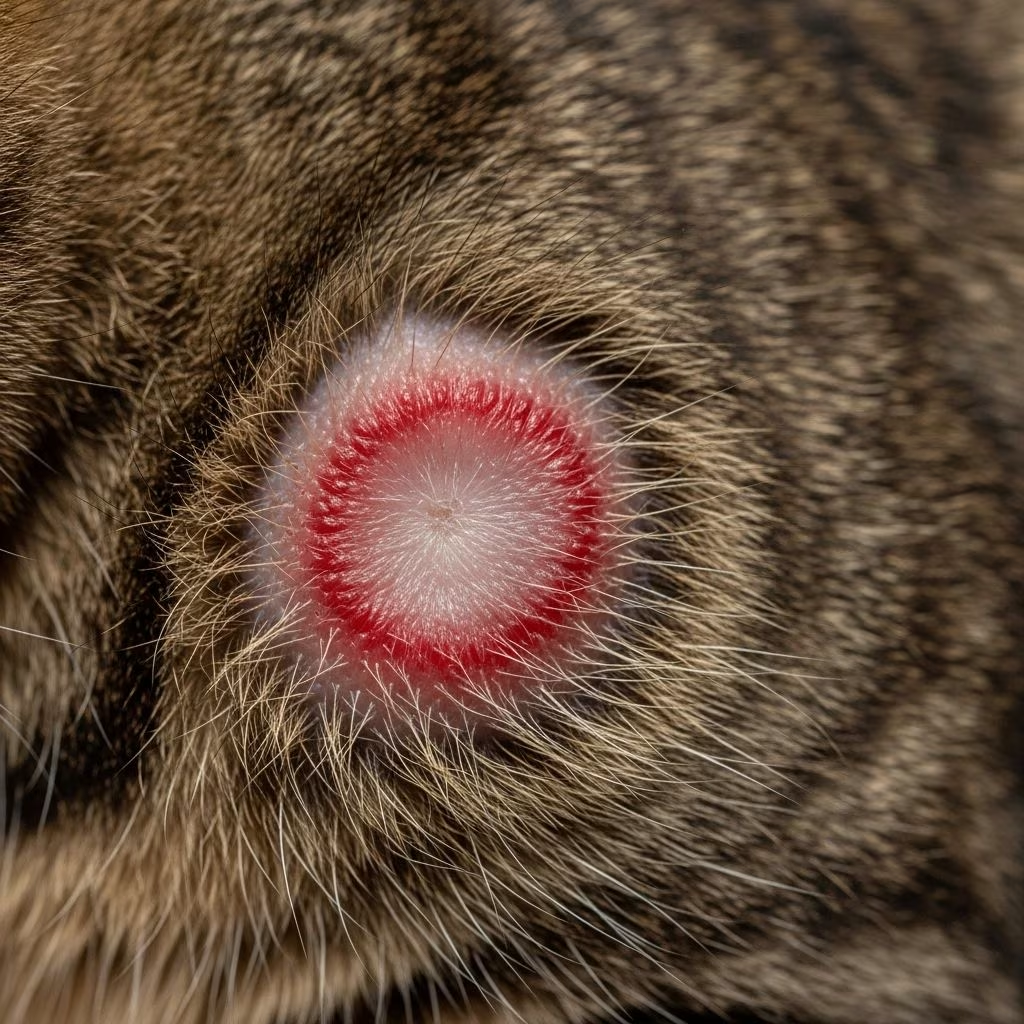
Ringworm, despite its name, is not caused by a worm but by a highly contagious fungal infection known as dermatophytosis, primarily affecting a cat’s skin, hair, and nails. This common condition in felines spreads easily through direct contact or environmental spores, requiring prompt veterinary intervention to prevent spread to other pets and humans.
What Is Ringworm in Cats?
Ringworm in cats is a superficial fungal infection caused by dermatophytes, most commonly the species Microsporum canis, which accounts for the majority of cases in felines. These fungi thrive on keratin in hair, skin, and nails, leading to characteristic lesions. Contrary to its name, ringworm has no relation to intestinal parasites; it’s a misnomer from the ring-like lesions observed in some human cases.
The infection is zoonotic, meaning it can transmit to humans and other animals, making early detection crucial in multi-pet households or homes with children. Cats often serve as carriers without showing symptoms, shedding infectious spores into the environment for up to 18 months.
Symptoms of Ringworm in Cats
Symptoms of ringworm in cats vary but typically include circular patches of hair loss (alopecia), broken or stubby hairs, scaling, redness, and crusty sores on the skin. Common sites are the head, ears, tail, and limbs, though generalized infections can occur. Affected areas may itch, leading to excessive grooming, or show no discomfort in asymptomatic carriers.
- **Localized lesions:** Small, round bald spots with scaly, inflamed edges.
- **Generalized ringworm:** Widespread hair loss, dandruff-like scaling across the body.
- **Nail involvement:** Brittle, deformed claws that slough off.
- **Secondary signs:** Secondary bacterial infections causing pus, swelling, or odor if lesions are scratched open.
Kittens, long-haired breeds, and immunocompromised cats (e.g., FIV-positive) are most prone, as their skin barriers are compromised.
Causes of Ringworm in Cats
Cats contract ringworm via direct contact with infected animals, fomites (contaminated objects like grooming tools), or environmental spores from soil or wildlife. Spores are resilient, surviving in dark, humid areas for months. Risk factors include overcrowding in shelters, flea infestations causing skin breaks, and stress weakening immunity.
Indoor-outdoor cats face higher exposure from stray animals, while multi-cat homes amplify transmission. Humans can inadvertently spread it via hands or clothing after contact with infected pets.
Diagnosis of Ringworm in Cats
Veterinarians diagnose ringworm through a multi-step process for accuracy, as symptoms mimic allergies, mange, or bacterial infections. Initial screening uses a Wood’s lamp (ultraviolet light), where about 50-70% of M. canis strains fluoresce apple-green, aiding quick presumptive diagnosis.
Confirmatory tests include:
- Dermatophyte test medium (DTM) culture: Hairs/plucked skin grow fungus in 7-21 days, turning medium red.
- Microscopic exam: Reveals fungal hyphae in hair shafts.
- Fungal PCR or biopsy: For definitive identification in atypical cases.
Follow-up cultures monitor treatment efficacy, ensuring negativity before stopping therapy.
Treatment for Ringworm in Cats
Treatment combines systemic antifungals, topical therapies, and environmental decontamination, lasting 4-8 weeks or longer based on severity. Never use over-the-counter remedies without vet approval, as misdiagnosis delays recovery.
Topical Treatments
Topical therapies target skin spores directly:
- Lime sulfur dips (twice weekly): Kills spores effectively; safe post-bathing.
- Miconazole/chlorhexidine shampoos: Lather full body, leave 10 minutes, rinse; use 2-3 times weekly.
- Clipping hair around lesions: Reduces spore load; full-body clip for severe cases in longhairs.
- Antifungal creams/ointments: For localized spots, e.g., on nose or paws.
Oral Antifungals
Oral medications are essential for generalized infections:
| Drug | Dosage Example | Duration | Notes |
|---|---|---|---|
| Itraconazole (Itrafungol) | 5-10 mg/kg daily | Min 6 weeks | First-line; liquid form easy for cats. |
| Terbinafine (Lamisil) | 30-40 mg/kg daily | 4-8 weeks | Effective alternative; monitor liver. |
| Fluconazole | 5-10 mg/kg daily | As needed | For resistant cases. |
Treatment success requires negative cultures two weeks apart.
Environmental Decontamination
Spore removal prevents reinfection:
- Vacuum daily (floors, furniture, dispose bags).
- Wash fabrics in hot water with bleach (1:10 dilution).
- Disinfect surfaces with accelerated hydrogen peroxide or bleach.
- Shampoo carpets; use antifungal sprays for hard-to-reach areas.
Isolate infected cats in one room with disposable litter.
Prevention of Ringworm in Cats
Minimize risk through hygiene and vigilance:
- Keep cats indoors to avoid strays/wildlife.
- Regular grooming/vet checks for early detection.
- Year-round flea prevention to prevent skin wounds.
- Quarantine new cats; vet exam before introduction.
- Clean environment routinely: vacuum, wash bedding.
A strong immune system via balanced diet and low stress aids resistance.
Ringworm in Cats FAQs
Is ringworm in cats contagious to humans?
Yes, highly zoonotic; children, elderly, immunocompromised at risk. Wash hands post-handling; treat promptly.
How long does ringworm last in cats?
With treatment, 4-8 weeks; untreated, self-resolves in months but spreads.
Can ringworm go away on its own in cats?
Possible in healthy adults, but risky due to spread; vet treatment recommended.
What kills ringworm spores in the home?
Bleach (1:10), enilconazole, vacuuming, hot washing.
Is there a vaccine for ringworm in cats?
No safe, effective vaccine available.
References
- How to prevent and treat ringworm in cats — Vetster. 2023. https://vetster.com/en/wellness/how-to-prevent-and-treat-ringworm-in-cats
- Ringworm in Cats: Signs, Symptoms, Treatment — UrgentVet. 2023. https://urgentvet.com/ringworm-in-cats-signs-symptoms-treatment/
- Ringworm in Cats — PetMD. 2024-01-14. https://www.petmd.com/cat/conditions/skin/ringworm-in-cats
- Ringworm in Cats — VCA Animal Hospitals. 2023. https://vcahospitals.com/know-your-pet/ringworm-in-cats
- Ringworm in Cats | Symptoms & Treatment — Vets4Pets. 2023. https://www.vets4pets.com/pet-health-advice/cat-advice/ringworm-in-cats/
- GUIDELINE for Dermatophytosis, ringworm in cats — ABCD cats & vets. 2023. https://www.abcdcatsvets.org/guideline-for-dermatophytosis-ringworm-in-cats/
- Ringworm – signs, diagnosis and treatment — Vetwest. 2023. https://www.vetwest.com.au/pet-library/ringworm-signs-diagnosis-and-treatment/



