
Ringworm in Dogs: Causes, Symptoms, Diagnosis & Treatment
Complete guide to understanding and treating ringworm (dermatophytosis) in dogs.
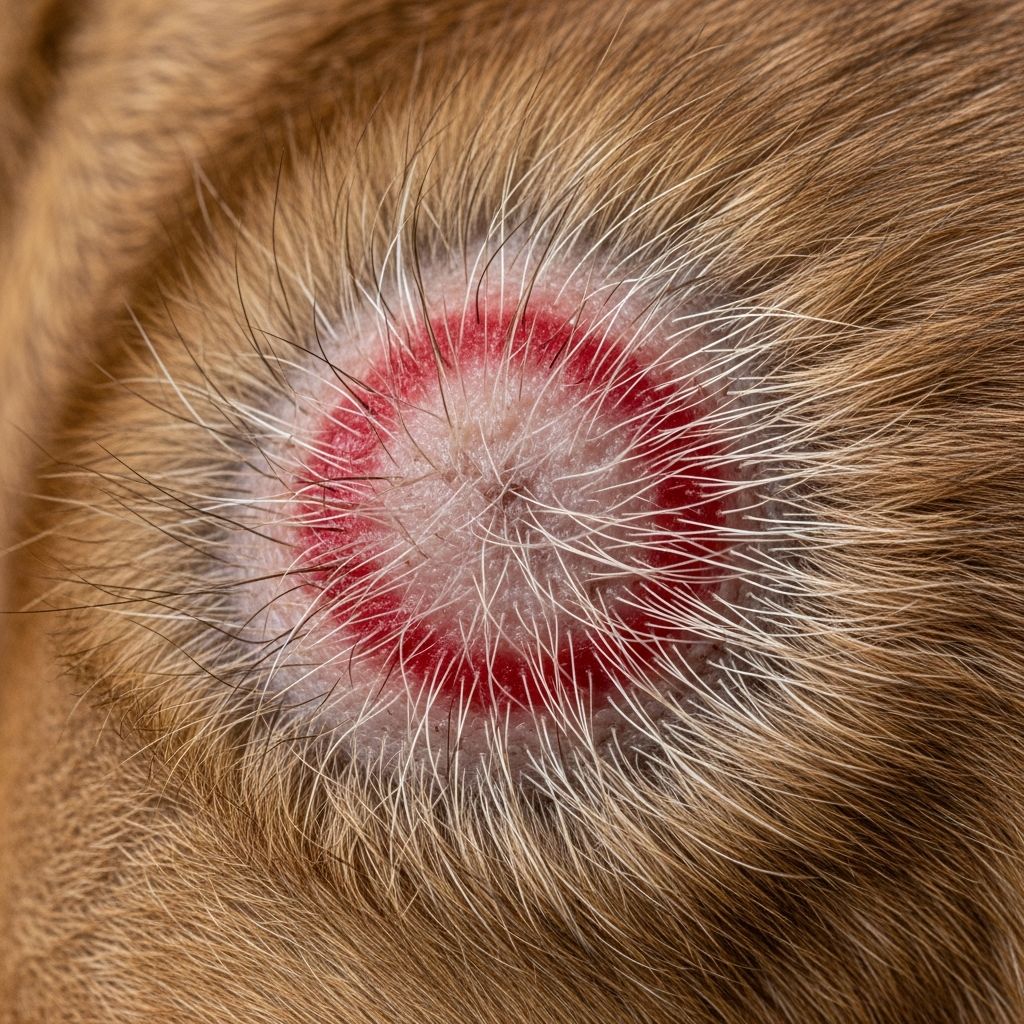
Understanding Ringworm in Dogs: A Comprehensive Guide to Dermatophytosis
Ringworm, medically known as dermatophytosis, is a fungal infection that affects the skin, hair, and nails of dogs. Despite its name, ringworm has nothing to do with parasitic worms—it is purely a fungal condition caused by dermatophyte fungi. This superficial fungal infection affects approximately 1% to 4% of cats and dogs worldwide and represents a significant concern for pet owners, particularly those with multiple animals or outdoor-exposed dogs.
Understanding the causes, symptoms, diagnostic methods, and treatment options is essential for dog owners seeking to protect their pets from this contagious condition. Ringworm is not only treatable but also manageable through appropriate veterinary care and environmental management strategies.
What Causes Ringworm in Dogs?
Ringworm in dogs is caused by pathogenic fungi from several genera, with the most common causative agents being Microsporum canis, Microsporum gypseum, and Trichophyton mentagrophytes. Microsporum canis is responsible for the majority of infections in dogs, accounting for 81.8%-97% of cases in various studies.
The development of dermatophyte infection requires three key conditions: exposure to a sufficient number of infective spores, microtrauma to the skin, and moisture on the skin surface. Under ideal conditions, dermatophyte arthrospores can germinate and begin invading skin and hair shafts within 6–8 hours.
Sources of Infection
Dogs can contract ringworm from various sources, including:
– Direct contact with infected animals, particularly cats- Contact with contaminated soil or organic material- Exposure to infected wildlife, especially rodents- Contact with contaminated surfaces and materials
The most common source of Microsporum canis infection is contact with infected cats. Microsporum gypseum is typically acquired from infected soil, while Trichophyton mentagrophytes commonly originates from infected rodents or contaminated environments.
Risk Factors for Infection
While dogs of any age and breed can develop ringworm, certain factors increase susceptibility. Young puppies and geriatric dogs are more prone to infection due to their developing or declining immune systems. Severely stressed animals also show increased vulnerability. Certain breeds appear overrepresented, including Yorkshire terriers and Jack Russell terriers, suggesting possible genetic predisposition or specific management factors.
The severity of infection depends more on the host’s immune response than on the virulence of the fungal strain. Dogs with compromised cell-mediated immunity are more likely to develop severe infections and experience prolonged disease courses.
Clinical Signs and Symptoms
The clinical presentation of ringworm in dogs varies depending on the specific fungal species involved and the individual dog’s immune response. Common symptoms develop gradually as the infection establishes itself in the skin and hair follicles.
Typical Skin Lesions
The most characteristic presentation of ringworm includes:
– Hair loss (alopecia), often appearing as circular or irregular patches- Scaling and crusting of affected skin areas- Erythema (redness) of the skin- Pruritus (itching), though this is not always present- Papules and pustules that rapidly rupture- Epidermal collarettes (circular areas of affected epidermis)
Microsporum canis infections typically result in alopecia patches of 1-3 mm in the affected areas, with potential for permanent hair loss if the inflammatory reaction persists for extended periods.
Location of Lesions
Dermatophyte lesions in dogs are most commonly localized to the face, legs, and tail areas. However, infections can spread to other body regions if left untreated. Lesions may initially appear isolated but can become multifocal as the infection progresses.
Variable Presentations
Some dogs may develop kerion lesions, which are focal areas of dermatophytosis resembling nodular draining lesions of deep pyoderma. These are particularly common in working and hunting dogs. In rare cases, subcutaneous nodular lesions may develop, occurring almost exclusively in certain breeds like Persian cats and Yorkshire terriers.
Diagnosis of Ringworm
Proper diagnosis of ringworm requires a systematic, step-by-step approach combining clinical evaluation with laboratory confirmation. A diagnosis should never be based solely on clinical appearance, as many skin conditions mimic ringworm.
Wood’s Lamp Examination
Wood’s lamp examination, also called Wood’s light examination, is a quick screening tool that veterinarians use to detect certain fungal infections. When exposed to ultraviolet light of a specific wavelength, infected hair may fluoresce with a characteristic blue-green color. However, this test is not definitive—it is effective in only about 72% of Microsporum canis cases with active skin lesions. Fluorescence typically becomes visible about 5-18 days after infection takes hold. False negatives are common, so negative Wood’s lamp results do not rule out ringworm.
Fungal Culture
Fungal culture remains the gold standard for diagnosing dermatophytosis. During this test, a few hairs, scales, or scabs are collected from affected areas and placed on a dermatophyte test medium (DTM)—a special culture medium designed to support fungal growth. The culture is then incubated and monitored for fungal growth and identification. This method allows for definitive identification of the specific fungal species involved, which can inform treatment decisions and epidemiological investigations.
PCR and Other Diagnostic Methods
Polymerase chain reaction (PCR) assays represent advanced diagnostic methods that can detect and identify dermatophyte DNA. These tests are highly sensitive and specific, providing rapid results in some cases. PCR can differentiate between active infection and mere presence of arthrospores on the coat.
Cytologic Examination
Cytologic examination involves microscopic evaluation of hair, scales, and skin cells. This helps rule out other conditions such as bacterial folliculitis or parasitic infections like demodicosis. Deep skin scrapings may be performed to exclude Demodex mites, which can cause similar clinical presentations.
Treatment Options
Successful treatment of ringworm in dogs requires a comprehensive, multi-faceted approach combining topical therapy, systemic antifungal medications, and environmental disinfection. The goal of treatment is to eliminate active infection, resolve clinical signs, and minimize transmission to other animals and humans.
Systemic Antifungal Therapy
Systemic antifungal medications work from within the body to eliminate active infection in hair follicles. The most effective oral medications for treating ringworm in dogs are itraconazole and terbinafine. These drugs are keratinophilic and lipophilic, meaning they accumulate in the skin and keratin structures where dermatophytes thrive.
Itraconazole is administered at 5 mg/kg orally every 24 hours and is particularly cost-effective for smaller dogs. Pulse therapy protocols, where treatment is given intermittently rather than continuously, may also be effective for some dogs.
Terbinafine is dosed at 30–40 mg/kg every 24 hours and may be more cost-effective for larger dogs. Ketoconazole (5 mg/kg every 24 hours) represents another option for treating larger dogs.
Treatment duration extends until mycological cure is achieved, typically requiring 4–6 weeks or longer. Mycological cure is confirmed through negative results on fungal culture or PCR assay, ensuring the infection has been completely eliminated.
Topical Therapy
Topical treatment is absolutely essential alongside systemic therapy because it disinfects the hair coat and directly addresses the source of contagion—the infectious spores. Topical agents help speed resolution of infection and significantly decrease the shedding of arthrospores into the environment, reducing transmission risk.
Whole-body rinses are most effective and should be performed twice weekly. Recommended solutions include:
– Lime sulfur at 1:16 dilution- Enilconazole at 1:100 dilution
These products have residual activity, providing ongoing antifungal protection between treatments. Additionally, medicated shampoos containing both miconazole and chlorhexidine can be used to support the treatment regimen and further reduce fungal burden on the skin and coat.
Environmental Disinfection
Environmental management is crucial to preventing reinfection and protecting other animals in the household. However, misinformation regarding environmental contamination is pervasive. Fungal spores do not invade home surfaces like molds or mildew do, nor do they cause respiratory disease. They can be easily removed through regular cleaning and disinfection of areas where the affected dog spends time.
Self-Limiting Infections
In otherwise healthy dogs with intact immune systems, ringworm is often self-limiting and does not necessarily require treatment. The infection may resolve on its own over weeks to months as the dog’s cell-mediated immune response successfully contains the fungus. However, treatment is typically recommended to shorten the disease course and prevent transmission to other susceptible animals, immunocompromised individuals, or humans.
Zoonotic Considerations
Ringworm is a zoonotic disease, meaning it can be transmitted from dogs to humans and vice versa. Dog owners should be informed that dermatophytosis causes easily treatable skin lesions and that the risk of transmission can be minimized through proper hygiene practices and environmental disinfection. Owners should be advised to consult their personal physician if they suspect they may have contracted ringworm from their pet.
Prognosis and Recovery
Ringworm is a curable disease with good prognosis when appropriately treated. Most affected dogs respond well to combination therapy, with significant improvement visible within 2–4 weeks of starting treatment. Complete mycological cure, confirmed through negative culture or PCR results and complete resolution of clinical signs, typically occurs within 4–6 weeks or longer, depending on the severity of infection and individual response to therapy.
Frequently Asked Questions
Q: How is ringworm transmitted between dogs?
A: Ringworm is transmitted through direct contact with infected animals or contaminated materials. The primary source of infection is usually contact with another infected animal, particularly cats. Dogs can also acquire the infection from contaminated soil, infected wildlife, or contaminated surfaces.
Q: Can my dog catch ringworm from the environment?
A: Yes, dogs can acquire ringworm from contaminated soil or environments, particularly Microsporum gypseum, which is a soil organism. However, infection requires exposure to sufficient spores, skin microtrauma, and moisture, so not all environmental exposures result in infection.
Q: Is ringworm life-threatening?
A: No, ringworm is not life-threatening. It is a non-life-threatening zoonotic disease that causes easily treatable skin lesions. However, it should still be treated to prevent transmission and improve the dog’s comfort.
Q: How long does treatment take?
A: Treatment typically requires 4–6 weeks or longer until mycological cure is achieved. Both systemic and topical treatments must be continued throughout this period, with confirmation of cure through negative culture or PCR results.
Q: Can I catch ringworm from my infected dog?
A: Yes, ringworm is zoonotic and can be transmitted to humans. However, the risk is manageable through proper hygiene practices, environmental disinfection, and avoiding direct contact with affected areas until treatment is initiated.
Q: What should I do if my dog has ringworm?
A: Consult your veterinarian for proper diagnosis and treatment. Treatment typically involves combination therapy with systemic antifungal medications, topical whole-body rinses or medicated shampoos, and environmental disinfection. Follow your veterinarian’s recommendations for the complete treatment duration.
References
- Dermatophytosis in Dogs and Cats – Integumentary System — MSD Veterinary Manual. 2024. https://www.msdvetmanual.com/integumentary-system/dermatophytosis/dermatophytosis-in-dogs-and-cats
- Dermatophytosis in Companion Animals: A Review — National Center for Biotechnology Information (NCBI). 2020. https://pmc.ncbi.nlm.nih.gov/articles/PMC7396343/
- Dermatophytoses in Dogs and Cats — Today’s Veterinary Practice. 2024. https://todaysveterinarypractice.com/dermatology/dermatophytoses-in-dogs-and-cats/
- Ringworm in Dogs & Cats: Signs, Diagnosis, Management — Clinician’s Brief. 2024. https://www.cliniciansbrief.com/article/dermatophytosis
- Ringworm in Dogs — PetMD. 2024. https://www.petmd.com/dog/conditions/skin/c_dg_dermatophytosis
- Diagnosis and Treatment of Dermatophytosis in Dogs and Cats — Veterinary Dermatology Journal via Wiley Online Library. 2024. https://onlinelibrary.wiley.com/doi/10.1111/vde.12440
- Ringworm in Dogs — VCA Animal Hospitals. 2024. https://vcahospitals.com/know-your-pet/ringworm-in-dogs
Similar Articles








Read full bio of medha deb




