
Ring-Necked Dove: Care, Personality & Breeding Guide
Complete guide to ring-necked doves: personality, care requirements, feeding, and breeding tips.
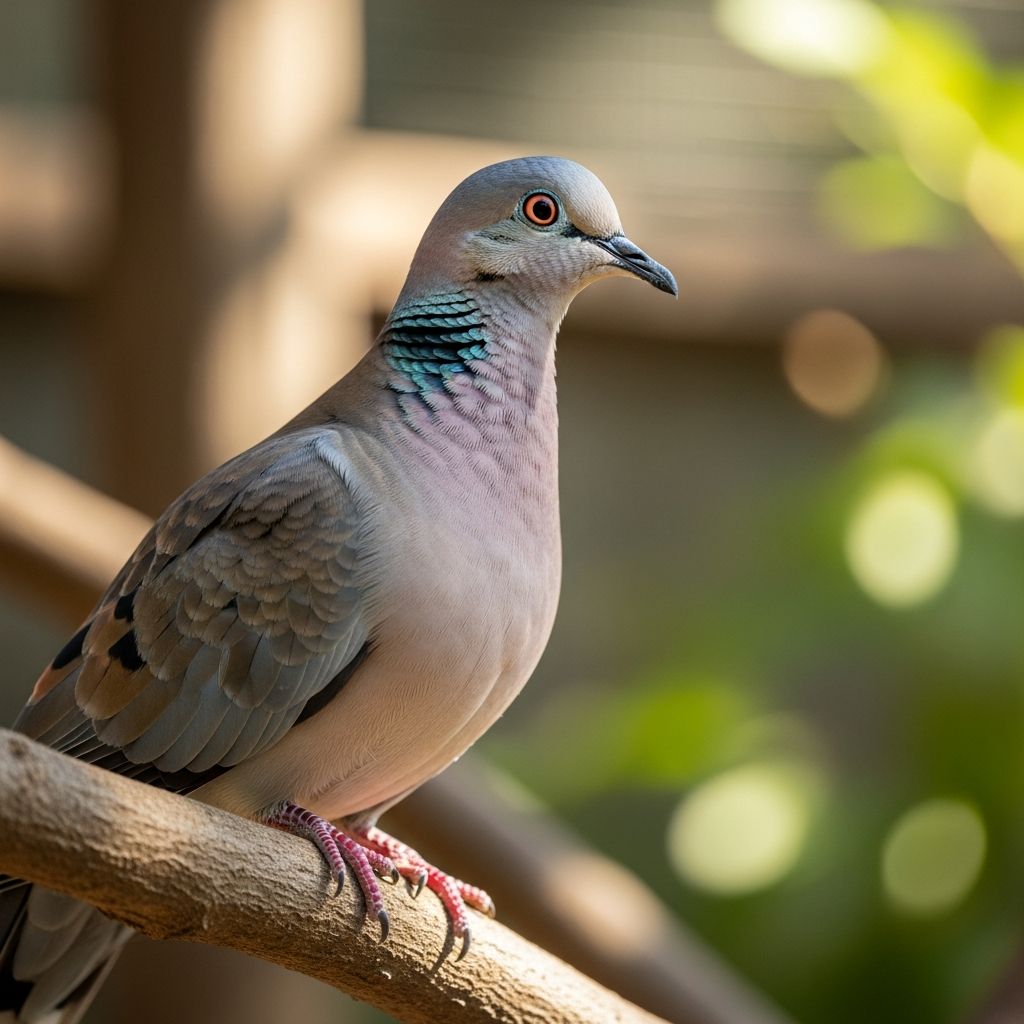
Ring-Necked Dove: The Ideal Companion Bird for Peaceful Pet Owners
The ring-necked dove represents one of the most accessible and rewarding choices for individuals seeking a companion bird that combines gentle temperament with minimal demands for intensive interaction. Unlike some parrot species that require constant attention and mental stimulation, ring-necked doves offer a more relaxed companionship experience. Their easy-going nature, combined with their potential for hand-taming and remarkable gentleness, makes them particularly suitable for bird enthusiasts of varying experience levels. If you appreciate the soothing sounds of gentle cooing and prefer a less demanding avian companion, the ring-necked dove may be the perfect addition to your home.
What Is a Ring-Necked Dove?
The ring-necked dove stands as the most commonly maintained companion bird within the dove family, largely due to their prolific breeding capabilities and widespread availability. These birds originate from East and southern Africa, where they inhabit diverse environments ranging from semi-desert scrub to woodlands and agricultural areas. Their popularity as captive birds stems not only from their abundance but also from their hardy constitution, making them an excellent choice for individuals who cannot dedicate extensive time to more attention-demanding bird species.
Physically, ring-necked doves measure approximately 12 inches in length and display a distinctive soft fawn coloration throughout their body. Their most recognizable feature is the characteristic black ring encircling the back of the neck, from which they derive their common name. Additional distinguishing features include pinkish-red feet, brown beaks, and dark brown eyes. The tail feathers display slate grey coloration with conspicuous white tips and fringes, particularly noticeable during flight displays. Immature birds appear duller than adults and lack the distinctive semi-collar marking.
Personality and Behavior Characteristics
Ring-necked doves are renowned for their gentle and docile temperament. Unlike certain parrot species that may bite or display aggressive behaviors, these doves consistently demonstrate calm and peaceful dispositions. They can be readily hand-tamed, though many owners choose not to pursue this interaction, as bonded pairs typically prefer companionship with their mate over human handling.
These birds exhibit strong social instincts and thrive when housed in pairs. They form deep monogamous bonds with their partners and readily engage in breeding behaviors. Ring-necked doves display minimal selectivity regarding nesting locations, often laying eggs in unexpected places such as feeding bowls or on aviary floors without any prepared nest structure. This prolific breeding tendency means owners must anticipate and manage regular reproductive cycles.
Males exhibit distinctive behavioral displays, including elaborate flight patterns where they flap upward at steep angles before spiraling downward with wings and tail fully extended. When perched or interacting with their mates, males perform synchronized bowing displays accompanied by rolling crooning vocalizations. These natural behaviors contribute to the fascinating dynamics of observing bonded dove pairs.
Speech and Sound Characteristics
Ring-necked doves produce sounds distinctly different from the loud, piercing screeches associated with many parrot species. Their vocalizations resemble those of pigeons, consisting of gentle, rhythmic cooing. These three-syllabled crooning calls possess a penetrating quality despite their soft nature, and importantly for owners with noise-sensitive neighbors, they remain significantly quieter than parrot vocalizations.
While ring-necked doves are not classified as loud birds, their cooing can be persistent and continuous throughout the day and sometimes into the night. The perception of this sound varies considerably among individuals—some owners find the cooing remarkably soothing and meditative, while others may find the persistent vocalization somewhat annoying. Males are the primary vocalists, making them identifiable through their distinctive calling patterns. Prospective owners should audition these sounds before committing to dove ownership to ensure compatibility with their environmental preferences and household dynamics.
Housing and Environmental Requirements
Ring-necked doves require housing fundamentally different from parrot accommodations. Unlike parrots, doves cannot climb cage bars and instead navigate their environment exclusively through flight. This characteristic makes horizontal flight space significantly more important than vertical height. A wide, spacious cage facilitates the natural movement patterns essential for dove wellness and exercise.
Providing varied perch styles with differing diameters proves essential for promoting optimal foot health and preventing pressure-related injuries common in birds maintained on uniform perch dimensions. Natural wood perches of varying thicknesses accommodate natural foot positioning and exercise. Additionally, doves require regular bathing opportunities, as water access contributes substantially to their physical and psychological well-being. Shallow water dishes or misting sprays accommodate their bathing preferences effectively.
Ring-necked doves are mostly sedentary birds in their natural habitat, though they maintain the ability to fly substantial distances. In fair weather conditions, they adapt well to enclosed outdoor aviaries, provided such spaces offer complete protection from predators. Hawks, snakes, and other natural predators pose significant threats, so any outdoor housing must feature secure, predator-proof construction. Indoor housing should include adequate space for flight, natural lighting, proper ventilation, and temperature stability.
Care and Feeding Guidelines
Proper nutrition forms the foundation of ring-necked dove health and longevity. These birds feed primarily on seeds, supplemented with broken fruit, berries, and occasional insects. A high-quality dove pellet mixed with varied seeds provides balanced nutrition. Fresh vegetables and fruits should be offered regularly to ensure micronutrient diversity. Access to clean, fresh water at all times is non-negotiable, as doves depend heavily on surface water in their natural habitat.
Environmental enrichment should include multiple perch options, natural branches for foraging stimulation, and opportunities for flight exercise. Seasonal temperature fluctuations should be minimized, as doves prefer consistent environmental conditions. Regular cage cleaning maintains hygiene and prevents disease development. Providing opportunities for natural behaviors—such as nesting site preparation and partner interaction—contributes substantially to long-term psychological well-being.
Breeding and Reproduction
Ring-necked doves reach sexual maturity remarkably early, typically by 12 months of age or earlier. They represent an excellent choice for beginning breeders interested in experiencing quick reproductive success. These birds are highly efficient parents and demonstrate strong nesting instincts without requiring elaborate nest structures.
Each clutch consists of two eggs, with both male and female parents sharing incubation responsibilities for approximately two weeks until hatching occurs. Chicks fledge after approximately 16 days post-hatch. Remarkably prolific, breeding pairs can raise up to five broods during a single breeding season, demonstrating their commitment to reproduction.
The male’s role in nest site selection is particularly interesting—while the female constructs the nest from twigs and plant materials, the male carefully selects and delivers appropriate nesting materials to his partner. This collaborative process reflects their strong monogamous bonds. Both parents demonstrate exceptional parenting skills, feeding and caring for their offspring diligently through fledging and beyond.
Suitability for Different Households
Ring-necked doves make excellent pets for children when proper supervision and guidance occur. Children must understand the sensitive nature of birds and approach them with gentleness and calm demeanor. The doves’ non-aggressive temperament makes them safer than some parrot species prone to biting, though careful handling remains essential.
These birds suit apartment dwellers concerned about excessive noise, as their cooing remains substantially quieter than parrot vocalizations. They also represent ideal companions for individuals without time for high-maintenance bird species. The minimal need for intensive human interaction actually benefits their well-being, as they thrive primarily on paired companionship with their mates rather than requiring constant human attention.
Health Monitoring and Red Flags
Maintaining optimal dove health requires vigilant observation for signs of illness or distress. Several indicators warrant immediate veterinary attention. Beak swelling or abnormal accumulations may suggest infections or nutritional deficiencies. Fluffed, plucked, or soiled feathers—particularly around the vent area—often indicate health complications. Constant floor-sitting behavior differs from normal sleeping postures and may signal illness.
Respiratory symptoms including wheezing or coughing warrant concern, as do abnormal stools appearing runny or discolored. Asymmetrical foot use during waking hours suggests pain or injury, though birds naturally sleep on single legs. Eye or nasal discharge and redness around eyes require immediate evaluation. Significant appetite changes also merit veterinary assessment, as doves typically maintain consistent feeding patterns.
Lifespan and Longevity
In their natural African habitats, ring-necked doves typically live approximately 10 years. Under proper captive care, with consistent nutrition, appropriate housing, and preventive health management, these birds commonly live 15 years or longer. Some individuals under exceptional care exceed these averages, demonstrating that responsible ownership directly correlates with longevity.
Frequently Asked Questions About Ring-Necked Doves
Q: Can ring-necked doves be housed individually, or do they require companions?
A: While ring-necked doves can technically survive alone, they thrive in pairs and experience superior psychological well-being with compatible companions. Bonded pairs should consist of a male and female or two females, never two males, which frequently results in aggressive conflict.
Q: How difficult is it to hand-tame a ring-necked dove?
A: Hand-taming ring-necked doves is relatively straightforward due to their gentle nature. However, most owners find that bonded pairs prefer mate interaction over human handling, and forcing unwanted contact may stress the birds unnecessarily.
Q: What distinguishes ring-necked doves from diamond doves?
A: Ring-necked doves are larger and hardier than diamond doves, with light brown and white feathers and distinctive black neck rings. Diamond doves display bluish-gray plumage with white wing spots and red eye rings, and they originate from Australia rather than Africa.
Q: How can I prevent unwanted breeding in my dove pair?
A: Removing nesting materials, nest boxes, and even some food items can suppress breeding impulses. However, ring-necked doves remain highly motivated breeders, so complete prevention proves challenging. Consult avian veterinarians regarding hormonal management if breeding control becomes necessary.
Q: Are ring-necked doves appropriate for apartment living?
A: Yes, ring-necked doves make excellent apartment pets. Their cooing remains substantially quieter than parrot vocalizations, making them suitable for noise-sensitive environments. Many apartment dwellers successfully maintain bonded dove pairs with minimal disturbance to neighbors.
References
- Ring-Necked Dove Personality, Food & Care — Lafeber Company. 2025. https://lafeber.com/pet-birds/species/ring-necked-dove/
- Ring-necked dove — Wikipedia Foundation. 2024. https://en.wikipedia.org/wiki/Ring-necked_dove
- Dove Care Sheet — PetMD, LLC. 2024. https://www.petmd.com/bird/dove-care-sheet
- Everything You Need to Know About Pet Doves — Kaytee Pet Products. 2024. https://www.kaytee.com/learn-care/pet-birds/everything-you-need-to-know-about-pet-doves
- Ring-Necked Dove — Safari Niagara. 2024. https://www.safariniagara.com/birds-gsheetd08b/ring-necked-dove
- Ringneck Dove Article — That Pet Place. 2024. https://www.thatpetplace.com/articles/ringneck-dove-article
Similar Articles








Read full bio of medha deb


