
Rift Valley Fever In Animals: Prevention, Diagnosis, Care
Comprehensive guide to understanding Rift Valley fever's impact on livestock, transmission risks, clinical signs, and vital prevention strategies for farmers and vets.
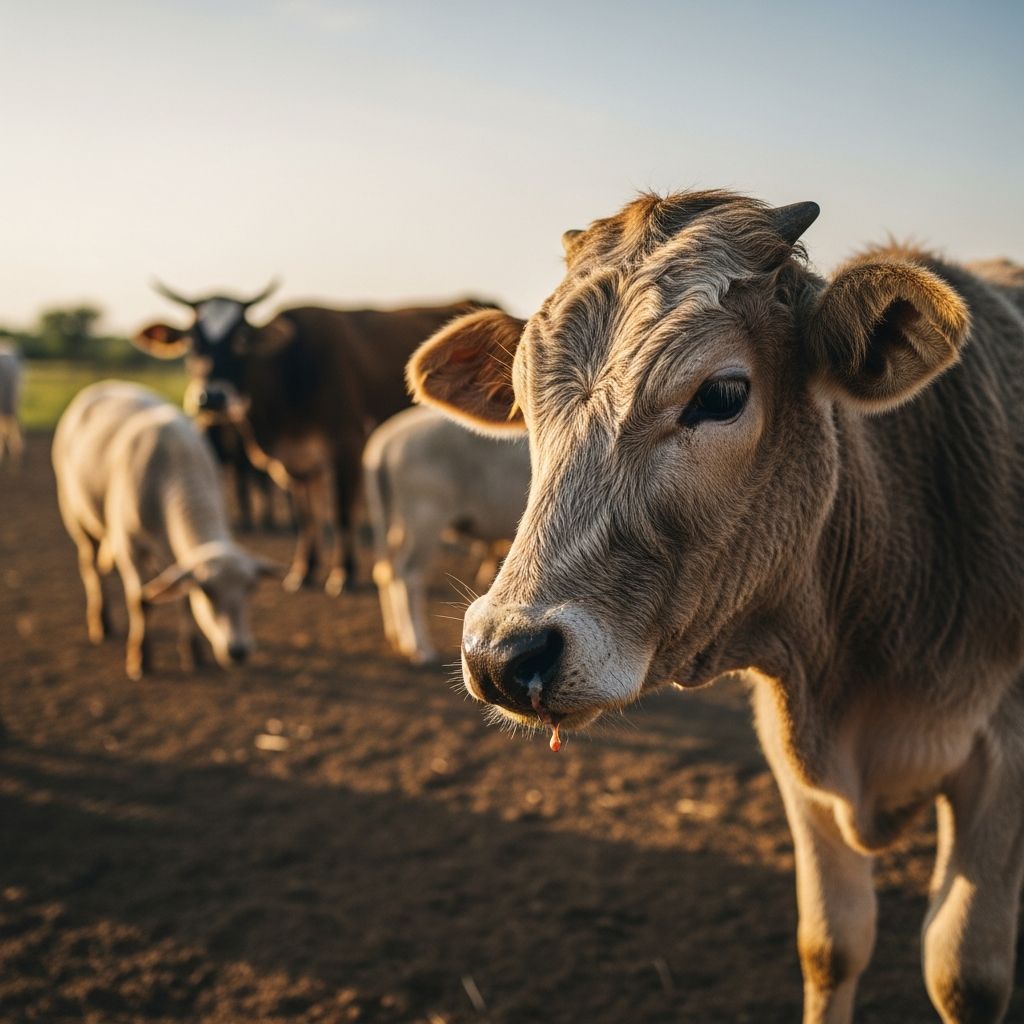
Rift Valley fever (RVF) represents a significant viral threat to livestock, particularly in regions prone to heavy rainfall and mosquito proliferation. This zoonotic disease, caused by a bunyavirus, leads to severe outcomes in young animals and pregnant females, with potential spillover to humans handling infected stock.
Understanding the RVF Virus
The RVF virus belongs to the Phlebovirus genus within the Bunyaviridae family. It thrives in environments with Aedes and Culex mosquito vectors, which transmit it between animals and occasionally to people. Outbreaks often follow flooding, as mosquito eggs in soil hatch en masse, amplifying transmission cycles.
Domestic ruminants like sheep, goats, and cattle serve as primary amplifiers. Wildlife such as camels may harbor the virus subclinically, while equids, pigs, dogs, and cats show resistance. Birds, reptiles, and amphibians remain unaffected.
Epidemiology and Geographic Spread
Endemic to Africa, RVF has expanded to the Arabian Peninsula and islands like Madagascar. Epizootics correlate with El Niño events, causing exceptional rains that trigger outbreaks. In livestock, sudden abortion waves signal an epidemic, often preceding human cases.
- Africa: Frequent outbreaks in East, West, and Southern regions.
- Middle East: 2000 Yemen/Saudi Arabia incursion marked intercontinental spread.
- Indian Ocean islands: Periodic incursions via animal trade or windswept vectors.
Global trade in live animals poses risks to non-endemic areas like Europe and the Americas, necessitating vigilant surveillance.
Transmission Pathways in Herds
Mosquitoes are chief vectors, with vertical transmission in Aedes species sustaining the virus in eggs during dry spells. Direct contact with infected fluids—blood, milk, aborted materials—spreads it within herds. Ingestion of contaminated feed or water contributes during outbreaks.
| Transmission Mode | Primary Vectors/Means | Risk Level for Livestock |
|---|---|---|
| Aerosol/Inhalation | Slaughtering, birthing | High in close quarters |
| Vector Bite | Aedes, Culex mosquitoes | Very High post-flood |
| Oral | Raw milk, meat, blood | Moderate via feeding |
| Venereal | Semen from infected rams/bulls | Low but documented |
Farmers face risks from handling placentas or fetuses, underscoring biosecurity needs.
Clinical Manifestations Across Species
Symptoms emerge rapidly: incubation spans 12-36 hours in lambs, escalating to biphasic fever exceeding 42°C. Animals display lethargy, anorexia, abdominal discomfort, nasal discharge, salivation, and diarrhea—often bloody or fetid.
Sheep and Goats
Newborns suffer 90-100% mortality from hepatic failure. Adults experience 5-10% death rates, with pregnant ewes aborting en masse. Survivors may develop transient blindness from retinitis.
Cattle
Calves face up to 70% fatality, with icterus prominent. Adults show milder signs: lacrimation, dysgalactia, weakness; mortality 5-10%. Abortions affect 40-100% of pregnancies.
Other Species
Camels abort silently or show fever, ataxia, edema. Pigs, equids, pets rarely succumb but can viremic. Wildlife like deer exhibit fever, diarrhea.
- Fever, listlessness, reluctance to move.
- Diarrhea, vomiting, nasal/ocular discharge.
- Abortion storms in herds.
- High neonatal death, jaundice in survivors.
Pathological Changes and Necropsy Insights
Post-mortem reveals friable, enlarged livers with necrotic foci, hemorrhages, and mottled appearance—hallmark lesions. Spleens and lymph nodes swell with edema, petechiae. Gallbladders edematous; intestines chocolate-hued. Histology confirms massive hepatocyte necrosis.
Differentiate from enterotoxemia, leptospirosis, or salmonellosis via these liver signatures.
Diagnostic Approaches
Clinical suspicion arises from abortion surges and neonatal deaths post-rain. Confirm via:
- RT-PCR on blood, tissues for viral RNA.
- Virus isolation in cell culture.
- ELISA for IgM/IgG antibodies.
- Paired sera showing seroconversion.
Early reporting to authorities is mandatory; labs handle samples under BSL-3.
Management of Affected Animals
No antiviral exists; provide supportive care: fluids, electrolytes, anti-inflammatories. Isolate cases to curb spread. High zoonotic risk demands PPE during handling—gloves, masks, goggles.
Milk from infected cows may viremic; pasteurize or discard. Euthanasia of moribund neonates prevents suffering.
Prevention and Outbreak Containment
Vaccination is cornerstone: live-attenuated for sheep/goats/cattle pre-outbreak; inactivated for pregnant stock. Deploy during inter-epizootic periods.
- Vector control: Insecticides, larvicides, nets.
- Movement bans on suspect herds.
- Culling infected flocks post-confirmation.
- Drain standing water, elevate stock to highlands.
Prediction models using satellite rainfall data enable preemptive vaccination.
Zoonotic Implications for Handlers
Humans contract via mosquito bites, cuts contacting fluids, or inhaling aerosols. Most cases mild flu-like; 1-2% severe: retinitis, encephalitis, hemorrhagic fever (50% case fatality).
Protective measures:
- Wash hands post-animal contact.
- Cook meat/milk thoroughly.
- Repel mosquitoes, wear long clothing.
- Vaccinate high-risk vets (experimental).
Surveillance and Global Response
Veterinary networks monitor abortions, neonatal mortality. WHO, OIE coordinate; rapid reporting halts spread. No U.S. vaccine licensed, but research advances mRNA candidates.[10]
Frequently Asked Questions (FAQs)
What triggers RVF outbreaks?
Heavy rains flood dambos, hatching dormant mosquito eggs laden with virus.
Can RVF infect pets or wildlife?
Pets resist clinically; some wildlife viremic but rarely symptomatic.
Is there a treatment for infected livestock?
Symptomatic only—no specific antiviral; focus on hydration, isolation.
How effective are vaccines?
Highly protective; live vaccines confer lifelong immunity in survivors.
What should farmers do during outbreaks?
Report suspicions immediately, restrict movements, apply repellents.
Future Outlook and Research Directions
Climate change may intensify outbreaks via erratic rains. Next-gen vaccines—subunit, viral-vectored—promise safer profiles without abortion risks. One Health approaches integrate animal-human surveillance for early detection.[10]
Farmers must integrate biosecurity, vaccination into routines. Prompt action saves herds and communities from this climate-amplified peril.
References
- Rift Valley fever: what it is, how it spreads and how to stop it — Gavi, the Vaccine Alliance. 2023. https://www.gavi.org/vaccineswork/rift-valley-fever-what-it-how-it-spreads-and-how-stop-it
- Rift Valley Fever in Animals — Merck Veterinary Manual. 2023-10-17. https://www.merckvetmanual.com/generalized-conditions/rift-valley-fever/rift-valley-fever-in-animals
- Rift Valley fever — World Health Organization. 2023-05-17. https://www.who.int/news-room/fact-sheets/detail/rift-valley-fever
- Quick Facts: Rift Valley Fever — Merck Manual Consumer Version. 2023. https://www.merckmanuals.com/home/quick-facts-infections/arbovirus-rift-valley-fever/rift-valley-fever
- Rift Valley Fever Factsheet — Center for Food Security and Public Health, Iowa State University. 2008-04-01. https://www.cfsph.iastate.edu/Factsheets/pdfs/rift_valley_fever.pdf
- About Rift Valley Fever (RVF) — Centers for Disease Control and Prevention. 2023. https://www.cdc.gov/rift-valley-fever/about/index.html
Similar Articles








Read full bio of medha deb


