
Riemerella Anatipestifer In Poultry: 2025 Guide For Producers
Comprehensive guide to understanding, preventing, and managing Riemerella anatipestifer infections in ducks, chickens, and other birds.
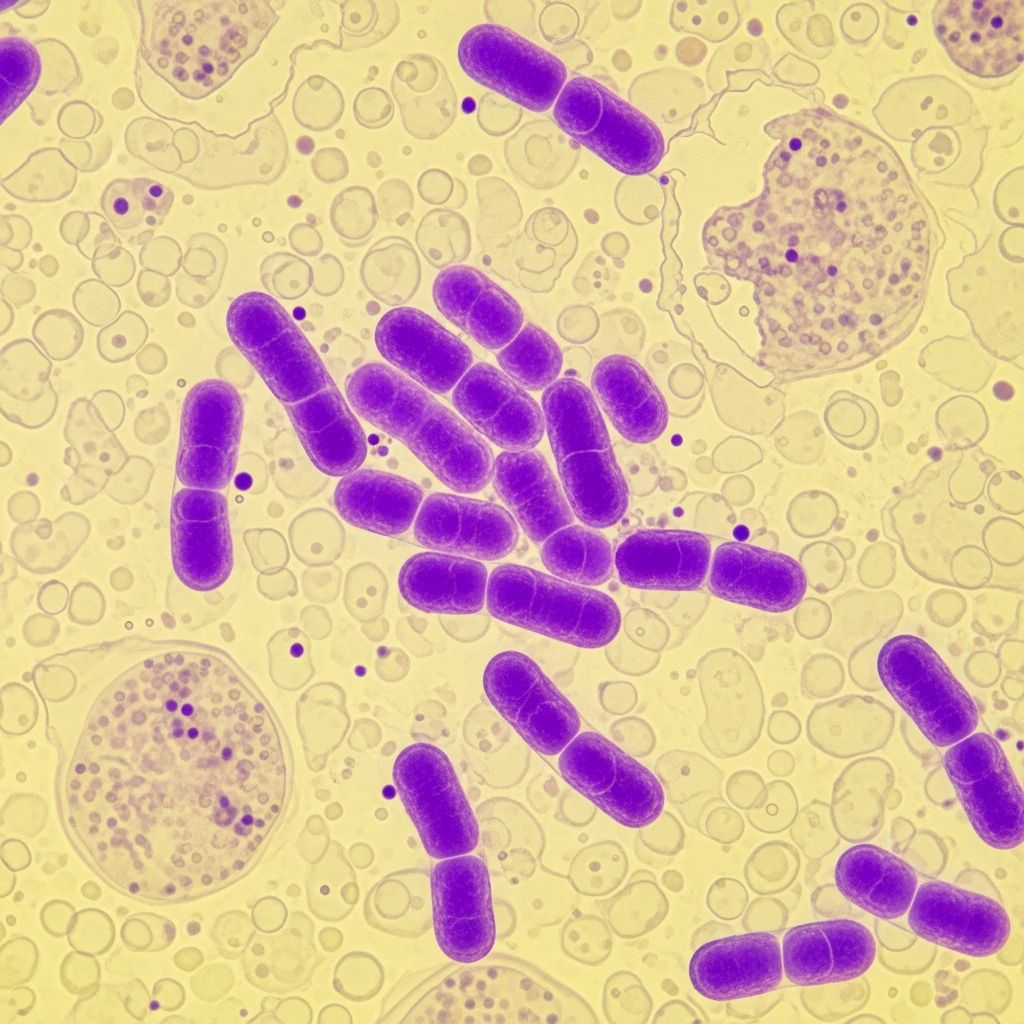
Riemerella anatipestifer is a gram-negative bacterium that triggers severe septicemic diseases in various poultry species, particularly ducks, but increasingly in chickens and turkeys. This pathogen leads to high morbidity and mortality rates, causing substantial economic losses through reduced growth, poor egg production, and elevated death rates.
The Nature of the Pathogen
Belonging to the Flavobacteriaceae family, Riemerella anatipestifer exists as a non-motile, rod-shaped organism that thrives in avian hosts. It primarily manifests as an acute or chronic septicemia, with young ducks aged 2 to 8 weeks being especially vulnerable. The bacterium’s ability to adapt across species has led to its detection in geese, turkeys, and now prominently in chickens, signaling an epidemiological shift.
Serotypes 1 and 10 dominate outbreaks, though types 6 and 7 also appear sporadically. Genomic adaptations enhance its virulence in non-duck hosts, allowing faster systemic spread and resistance to host immune responses.
Clinical Manifestations Across Poultry Species
In ducks, infections often strike suddenly in ducklings under 8 weeks, presenting with respiratory distress, nasal discharge, head tremors, ataxia, and green diarrhea. Survivors may develop chronic issues like swollen joints and reduced performance. Adult ducks suffer salpingitis, impairing reproduction.
Chickens show an emerging pattern: broilers exhibit lameness, joint swelling, and paralysis, while layers face oviduct blockages with caseous material, leading to dropped egg production and embryonic mortality resembling ‘jelly-like’ forms. Respiratory signs like coughing and sneezing precede systemic involvement.
Turkeys and geese display similar fibrinous serositis, airsacculitis, and neurological symptoms, though less frequently reported.
Pathological Changes and Lesions
Post-mortem exams reveal characteristic fibrinous pericarditis, perihepatitis, and airsacculitis. In chickens, oviduct inflammation and hock joint involvement are prominent, with lower rates in liver and brain despite occasional lesions. Ducks show multi-organ fibrinous inflammation, while histological findings include endocardial edema, hepatocellular swelling, and glial cell proliferation in brains.
| Species | Primary Lesions | Secondary Lesions |
|---|---|---|
| Ducks | Fibrinous pericarditis, perihepatitis, airsacculitis | Arthritis, salpingitis, meningitis |
| Chickens (Broilers) | Airsacculitis, arthritis | Perihepatitis, paralysis |
| Chickens (Layers) | Oviduct obstruction | Embryonic abnormalities, reduced hatchability |
| Turkeys/Geese | Serositis, respiratory involvement | Neurological signs |
Transmission Dynamics and Risk Factors
The bacterium spreads via respiratory aerosols, contaminated mucus, water, and skin wounds. Vertical transmission is suspected in chickens, with positive detections in embryos and reproductive tracts. Poor biosecurity, overcrowding, and concurrent infections exacerbate outbreaks. In China, rising chicken cases link to farm management lapses.
- Horizontal spread: Inhalation of droplets from sneezing birds.
- Vertical risk: Contaminated eggs and breeder flocks.
- Environmental factors: Wet litter, high humidity promote survival.
Diagnostic Approaches
Diagnosis combines clinical observation, necropsy, and lab confirmation. Bacterial culture on blood agar yields pinpoint colonies, identified via PCR targeting specific genes or serotyping. Histopathology confirms fibrinous exudates. qPCR quantifies bacterial loads in tissues, aiding virulence assessment.
Differential diagnoses include colibacillosis, pasteurellosis, and mycoplasmosis, necessitating molecular tools for precision.
Antimicrobial Resistance Challenges
High resistance burdens treatment: 91.54% to enrofloxacin, 88.22% to polymyxin, and 86.10% to amikacin in recent isolates. Chicken-derived strains show serum resistance, complicating therapy. Prudent antibiotic use is critical to curb further resistance.
Management and Treatment Strategies
Early intervention with susceptible antibiotics like tetracyclines or sulfonamides can reduce mortality, but resistance limits options. Supportive care includes fluids and anti-inflammatories. Isolate affected flocks promptly.
Vaccination and Prevention Protocols
Autogenous or commercial vaccines targeting prevalent serotypes protect ducklings, administered via spray or injection. Biosecurity remains foundational: all-in-all-out systems, footbaths, ventilation, and rodent control. Avoid mixing ages and monitor breeders for vertical risks.
Economic Impact on Poultry Industries
Outbreaks slash productivity: 5-75% mortality in ducks, 10% in experimental chicken challenges, plus growth setbacks and cull costs. Emerging chicken infections threaten broiler and layer sectors, especially in Asia.
Future Research Directions
Ongoing studies probe genomic evolution, host adaptation, and novel vaccines. Enhanced surveillance for cross-species jumps and resistance tracking is essential.
Frequently Asked Questions (FAQs)
What is the most affected age group in ducks?
Ducklings 2-8 weeks old face the highest risk, with acute septicemia.
Can Riemerella infect chickens?
Yes, increasingly so, with respiratory onset leading to arthritis in broilers and salpingitis in layers.
How to confirm infection?
Use PCR, culture, and necropsy for fibrinous lesions.
Are vaccines effective?
Yes, against common serotypes, but match to local strains.
What biosecurity measures work best?
Strict hygiene, age segregation, and ventilation control.
This detailed overview equips poultry producers with knowledge to combat Riemerella anatipestifer effectively, minimizing losses through proactive health management.
References
- Epidemiological investigation of Riemerella anatipestifer in large-scale chicken flocks — PMC/NCBI. 2024. https://pmc.ncbi.nlm.nih.gov/articles/PMC12269571/
- RIEMERELLA ANATIPESTIFER INFECTIONS – Diseases of Poultry — The Poultry Site. 2023. https://www.thepoultrysite.com/publications/diseases-of-poultry/182/riemerella-anatipestifer-infections
- Emerging Riemerella anatipestifer infection in chickens — PMC/NCBI. 2024. https://pmc.ncbi.nlm.nih.gov/articles/PMC12396462/
- Riemerella anatipestifer diagnostics – POULTRY CRC — Poultry Hub. 2017-05-01. https://www.poultryhub.org/content/uploads/2017/05/1.2.4-Turni-Final-Report.pdf
- Biological and genomic characteristics of chicken-derived Riemerella anatipestifer — Frontiers in Microbiology. 2025. https://www.frontiersin.org/journals/microbiology/articles/10.3389/fmicb.2025.1652106/full
- Conference 6 – 2016 Case: 1 20161005 — WSAVA. 2016. https://www.askjpc.org/wsco/wsc_showcase2.php?id=RUxlVDcyZjQrNEQ4RG1SL2ZyTm04QT09
- Riemerella anatipestifer infection — CABI Digital Library. 2023. https://www.cabidigitallibrary.org/doi/full/10.1079/cabicompendium.66183
Similar Articles








Read full bio of Sneha Tete


