
Rickets In Animals: Comprehensive Guide To Causes, Signs, Care
Exploring the nutritional and genetic factors behind rickets in various animal species, with insights into prevention and care strategies.
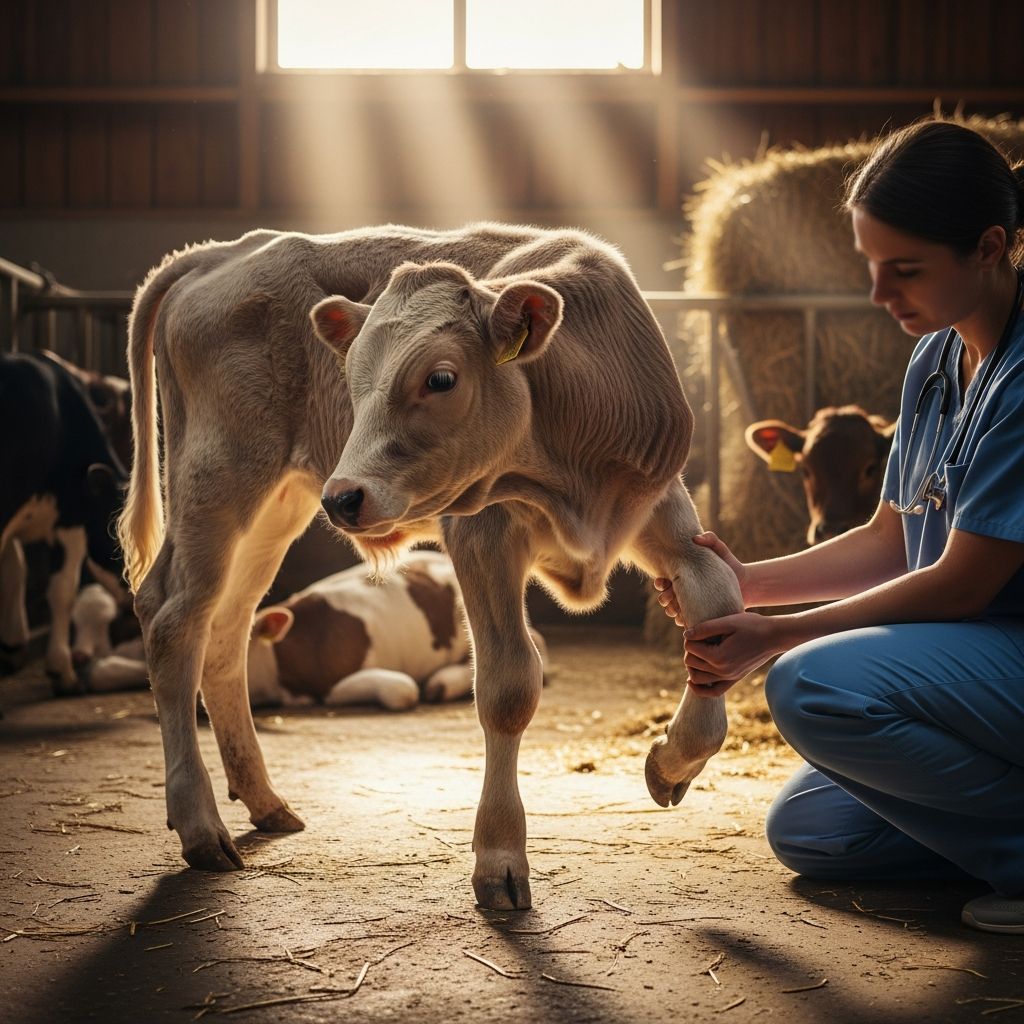
Rickets represents a significant metabolic bone disorder primarily impacting young, growing animals. It arises from inadequate mineralization of bone tissue, resulting in soft, deformable skeletons that compromise mobility and overall development. This condition stems largely from nutritional shortfalls in key minerals like calcium and phosphorus, or vitamin D, which orchestrates their absorption and utilization. While rare in well-managed herds or pets, rickets can emerge in various species due to dietary imbalances, environmental factors, or genetic predispositions, demanding prompt veterinary intervention for optimal outcomes.
Understanding the Pathophysiology of Rickets
At its core, rickets disrupts the normal process of bone formation known as ossification. In healthy animals, osteoblasts produce osteoid—a collagen matrix—that rapidly mineralizes with calcium phosphate crystals. Vitamin D, activated through sunlight exposure or dietary intake, enhances intestinal absorption of calcium and phosphorus while regulating parathyroid hormone to maintain mineral homeostasis. Deficiencies halt this mineralization, leaving unhardened osteoid that bows under weight-bearing stress.
Historical animal studies from the late 19th to early 20th centuries illuminated these mechanisms. Experiments with rats, dogs, and lion cubs demonstrated that cod liver oil and ultraviolet light prevented skeletal deformities, pinpointing vitamin D as the critical antirachitic factor distinct from vitamin A. These models reconciled epidemiological observations linking rickets to urban crowding, poor diets, and northern latitudes with limited sunlight.
Nutritional Triggers Across Species
Dietary inadequacies form the cornerstone of most rickets cases. All-meat diets, common in some raw feeding regimens for dogs, lack sufficient calcium and upset the ideal 1.2:1 to 2:1 calcium-to-phosphorus ratio, promoting bone softening. Phosphorus shortages are more frequent than calcium deficits, though excess calcium can paradoxically mimic symptoms by sequestering phosphorus.
Species-specific vulnerabilities exist. Dogs on unbalanced homemade foods face heightened risks, as do alpacas in regions with prolonged cloudy winters reducing UVB synthesis. Pigs, sheep, cats, and even laboratory rodents exhibit susceptibility, influenced by skin’s vitamin D production capacity and feed composition.
| Species | Primary Nutritional Risk | Common Dietary Culprit |
|---|---|---|
| Dogs | Vitamin D / Phosphorus deficiency | All-meat diets |
| Alpacas | Vitamin D deficiency | Limited sunlight exposure |
| Pigs/Sheep | Phosphorus imbalance | Inadequate mineral supplements |
| Cats | Genetic + nutritional | Imbalanced commercial feeds |
Genetic and Hereditary Forms
Beyond nutrition, inherited rickets occurs sporadically. Mutations in the vitamin D receptor gene render tissues resistant to the hormone, impairing mineral uptake despite adequate supply. Documented in dogs, cats, pigs, and sheep, these forms necessitate lifelong management distinct from dietary corrections.
In dogs, hereditary cases demand genetic screening, while nutritional osteodystrophies predominate. Affected animals display persistent biochemical derangements even post-supplementation, underscoring the need for molecular diagnostics.
Clinical Manifestations and Recognition
Young animals typically present between weaning and skeletal maturity. Hallmark signs include:
- Limb deformities: Bowed forelegs, angular kyphosis, or enlarged costochondral junctions forming ‘rachitic rosary’.
- Mobility issues: Lameness, reluctance to stand, or pathological fractures from minor trauma.
- Growth retardation: Stunted stature, muscle weakness, and hypothermia in severe cases.
- Systemic effects: Anemia, pica (nutrient-craving behaviors), and secondary hyperparathyroidism signs like fibrous osteodystrophy.
In alpacas, stoic nature masks early discomfort; owners note reduced fiber production and hunching postures during winter. Dogs may whine during play, exhibiting pot-bellied appearances from weakened abdominal tone.
Diagnostic Approaches
Veterinarians rely on a multimodal strategy. Physical exams reveal pathognomonic skeletal changes, while radiographs confirm widened, irregular physes (growth plates), thinned cortices, and osteopenia. Biochemical panels highlight hypocalcemia or hypophosphatemia, elevated alkaline phosphatase from osteoblast hyperactivity, and low 25-hydroxyvitamin D levels.
Differential diagnoses encompass hypovitaminosis E myopathy, infectious arthritides, and congenital syndromes. Bone biopsies, though invasive, provide histologic proof of unmineralized osteoid seams.
Treatment Modalities
Therapy hinges on etiology correction. Nutritional rickets responds robustly to:
- Dietary overhaul: Transition to balanced, AAFCO-compliant commercial feeds or veterinary-formulated rations ensuring proper Ca:P ratios.
- Supplementation: Vitamin D injections (e.g., cholecalciferol) for rapid repletion, alongside oral calcium/phosphorus as needed. Monitor to avoid hypercalcemia.
- Supportive care: Strict rest to prevent fractures, anti-inflammatories for pain, and deworming if malabsorption stems from parasitism.
Hereditary variants require higher-dose analogs like calcitriol, titrated against serial bloodwork. Prognosis excels if addressed pre-permanent deformity; recovery spans weeks to months with radiographic remodeling.
For alpacas, intramuscular vitamin D every 3-4 months prevents recurrence, especially in high-risk seasons.
Prevention Strategies for Animal Owners
Proactive measures avert most cases:
- Employ premium, nutritionally complete feeds vetted by specialists.
- Provide UVB access via pasture turnout or lamps for indoor/confined animals.
- Screen at-risk populations (e.g., pups on raw diets) with biannual biochemistries.
- Supplement judiciously during low-sun periods, guided by baseline vitamin D assays.
Herd health protocols for alpacas include maternal injections pre-partum to bolster colostral vitamin D. Genetic counseling aids breeders confronting familial lines.
Species-Specific Considerations
Canine Rickets Management
Puppies thrive post-correction, but adults risk osteomalacia—rickets’ mature analog—with fracture proneness and pica. Holistic approaches integrate rest, nutrition, and monitoring.
Alpaca and Camelid Vulnerabilities
Australian studies affirm supplementation halves rickets incidence and boosts growth velocities.
Livestock and Exotic Cases
Swine and ovine outbreaks tie to phosphorus-poor grains; fortification resolves outbreaks efficiently.
FAQs on Rickets in Animals
What causes rickets most commonly in pets?
Imbalanced diets low in vitamin D or phosphorus, especially all-meat feeding.
Can adult animals get rickets?
Yes, termed osteomalacia; it affects mature bones similarly.
How quickly does treatment work?
Clinical improvement in days; full remodeling in 1-3 months.
Is sunlight enough prevention?
Often, but supplements ensure adequacy in low-UV climates.
Are there genetic tests for rickets?
Yes, for vitamin D receptor defects in select breeds.
Long-Term Outlook and Research Directions
With early detection, most animals achieve full recovery sans sequelae. Persistent cases risk angular limb deformities necessitating orthopedics. Ongoing research probes novel receptor agonists and genomic therapies for refractory forms, building on foundational animal models.
Owners must prioritize evidence-based nutrition, consulting veterinary nutritionists for custom plans. Vigilance transforms rickets from a crippling affliction to a preventable footnote in animal husbandry.
References
- Early animal models of rickets and proof of a nutritional deficiency — PubMed. 2011-12-01. https://pubmed.ncbi.nlm.nih.gov/22134552/
- Vitamin D metabolism and rickets in domestic animals: a review — PubMed. 2010-07-01. https://pubmed.ncbi.nlm.nih.gov/20634407/
- Rickets In Dogs: Diagnosis & Treatment — Dutch Veterinary Blog (informational review citing studies). 2023. https://www.dutch.com/blogs/dogs/rickets-in-dogs
- Rickets in alpacas: Symptoms, treatment and prevention — Cameron Veterinary Services. 2022. https://www.cameronvets.com/rickets-in-alpacas-symptoms-treatment-and-prevention/
- Disorders Associated with Calcium, Phosphorus, and Vitamin D in Dogs — MSD Veterinary Manual. 2024. https://www.msdvetmanual.com/dog-owners/bone-joint-and-muscle-disorders-of-dogs/disorders-associated-with-calcium-phosphorus-and-vitamin-d-in-dogs
Similar Articles








Read full bio of medha deb


