

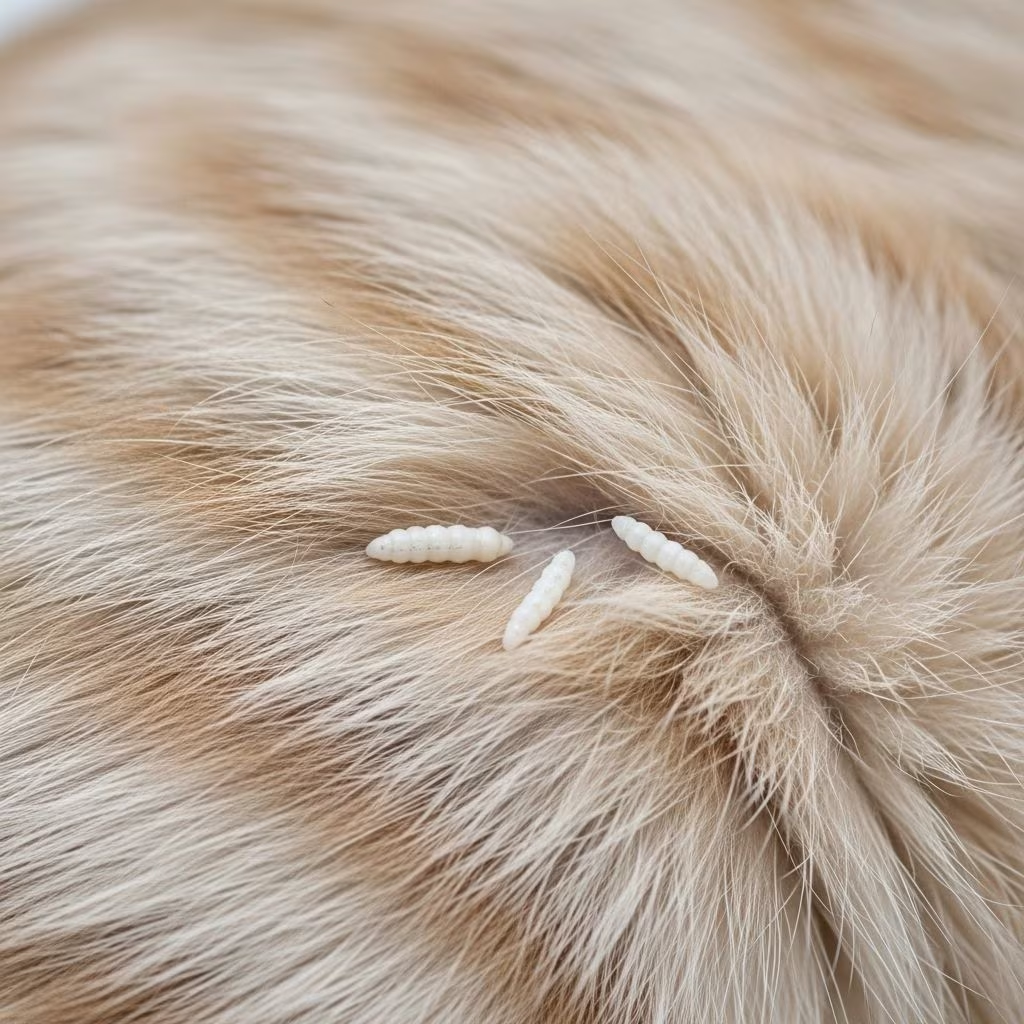
When cat owners notice small, rice-shaped segments in their pet’s litter box or around the anal area, they have likely discovered evidence of a tapeworm infection. These distinctive granular particles represent broken segments of adult tapeworms that have detached from the parasite’s body. Understanding what these segments are, how cats contract tapeworms, and what treatment options exist can help pet owners address this common parasitic issue quickly and effectively.
Recognizing Tapeworm Presence: Visual Indicators and Physical Signs
The appearance of rice-like particles in feline feces is one of the most recognizable indicators of a tapeworm infestation. These segments, called proglottids, are individual units of the tapeworm that contain eggs. When these segments break off from the main tapeworm body, they pass through the cat’s digestive system and appear in stool or around the anal region. Fresh segments may appear cream-colored or slightly mobile, while dried segments take on a harder, rice grain appearance.
Beyond the visible segments, cats with tapeworm infections frequently display additional physical symptoms that warrant veterinary attention. These manifestations can vary in severity depending on the parasite burden and the individual cat’s health status. The most commonly observed signs include:
- Increased appetite despite weight loss or failure to gain weight appropriately
- Visible weight loss and reduced body condition
- Dull, lackluster coat quality
- Vomiting or regurgitation in some cases
- Digestive disturbances including diarrhea or constipation
- Behavioral changes such as lethargy or reduced activity levels
- Dragging or scooting the rear end across surfaces due to anal irritation
Some cats may show minimal or no obvious symptoms, especially if the parasite burden is relatively light. This makes regular veterinary check-ups essential for early detection, as owners might not immediately recognize that their pet harbors an infection.
How Cats Contract Tapeworm Infections
Understanding the transmission pathways of tapeworms helps cat owners implement appropriate preventive measures. The most common route of tapeworm infection in domestic cats involves flea parasitism. Fleas can carry tapeworm eggs, and when a cat ingests an infected flea during grooming or scratching, the cat becomes infected with the tapeworm. This indirect transmission method highlights why effective flea prevention is a critical component of comprehensive parasite control.
Cats may also contract tapeworms through consumption of infected prey animals such as rodents, birds, or other small creatures. Indoor cats have reduced exposure to this transmission route, while outdoor or semi-outdoor cats face higher risk from hunting infected prey. Additionally, ingestion of contaminated food or water, or contact with feces from infected animals, can potentially transmit tapeworms, though this occurs less frequently than flea-mediated transmission.
The Health Impact of Untreated Tapeworm Infections
While tapeworms are often considered less immediately life-threatening than some other parasitic infections, untreated infestations can produce significant health consequences for affected cats. The parasites consume nutrients from the host’s intestinal tract, leading to nutrient malabsorption and deficiency. This nutritional interference explains why infected cats often display weight loss despite maintaining normal or even increased appetites.
The parasites also cause inflammation and irritation of the intestinal lining, which can trigger gastrointestinal upset. In severe cases with heavy parasite burdens, tapeworms can contribute to intestinal blockages, though this is less common than with roundworm infections. The chronic irritation caused by the parasites can also lead to secondary digestive issues and discomfort.
The presence of tapeworms may also indicate inadequate flea control, suggesting the cat faces exposure to other parasites and infectious agents that fleas can transmit. This underscores the importance of addressing tapeworm infections not merely as isolated problems but as indicators of the cat’s overall parasitic exposure.
Diagnostic Procedures and Veterinary Confirmation
Although the visible presence of rice-like segments provides strong evidence of tapeworm infection, veterinary confirmation through diagnostic testing is recommended. Veterinarians typically perform fecal examinations to identify parasite eggs and confirm the specific type of worm present. This diagnostic step is important because different parasites require different treatment protocols and follow-up care schedules.
During a fecal examination, the veterinarian microscopically analyzes a stool sample to identify parasite eggs or other diagnostic indicators. The identification of the specific parasite type allows the veterinarian to prescribe the most appropriate deworming medication and establish an effective treatment timeline. After initial treatment, follow-up fecal examinations ensure the infection has been completely eliminated.
Treatment Options for Tapeworm Infections
Fortunately, tapeworm infections in cats respond well to appropriate deworming medications. Veterinarians prescribe oral or injectable deworming agents specifically formulated to target and eliminate adult tapeworms. The most commonly prescribed medications include praziquantel, which is highly effective against tapeworms and works by disrupting the parasite’s muscular function, causing it to release from the intestinal wall.
Unlike roundworm treatments, which may require multiple doses to address different life cycle stages, tapeworm treatment is often accomplished through a single dose or a short course of medication. Most cats respond rapidly to appropriate deworming therapy, with the infection being completely resolved within several weeks. The medication is typically administered by the veterinarian, ensuring proper dosing and application.
Following initial treatment, the veterinarian may recommend:
- A follow-up fecal examination to confirm complete parasite elimination
- Repeat deworming if necessary to address any remaining infections
- Implementation of comprehensive flea prevention to prevent reinfection
- Environmental cleaning and sanitation procedures
- Monitoring for recurrence of symptoms
In cases where cats experience secondary digestive upset from the infection, the veterinarian may also recommend gastrointestinal probiotics or supportive care to facilitate recovery.
Comprehensive Prevention Strategies
Preventing tapeworm infections is significantly more economical and less stressful for cats than treating established infections. A multi-faceted prevention approach addresses the various transmission pathways and environmental factors that contribute to parasite risk.
Flea Prevention as Primary Defense
Since flea infestation is the most common transmission route for tapeworms in domestic cats, consistent flea prevention is the cornerstone of tapeworm prevention. Veterinary-approved flea preventatives include topical treatments applied monthly, oral medications, and flea collars. These products work through various mechanisms to kill fleas at multiple life stages, breaking the flea-tapeworm transmission cycle.
Regular Veterinary Monitoring
Routine veterinary wellness examinations and regular fecal screenings detect parasitic infections before they progress to severe infestations. Most veterinarians recommend annual wellness exams for adult cats and more frequent visits for kittens, senior cats, or those with outdoor access. These check-ups provide opportunities for parasite screening, preventive medication administration, and early intervention if infections are detected.
Environmental Management
Maintaining a clean living environment reduces parasite transmission risk. This includes daily removal of feces from litter boxes, regular washing of litter boxes with disinfectant solutions such as diluted household bleach, and avoiding overcrowded living conditions. For outdoor areas where cats spend time, prompt removal of feces minimizes environmental contamination with parasite eggs.
Dietary Considerations
Avoiding feeding cats raw or undercooked meats reduces exposure to parasites that may be present in prey animals. Raw meat-based diets increase the risk of various parasitic infections, including some tapeworm species. Feeding commercially prepared diets or properly cooked foods significantly reduces this transmission route.
Intermediate Host Control
Controlling flea, tick, and rodent populations in the cat’s environment prevents exposure to intermediate hosts that carry tapeworm parasites. Comprehensive pest management may involve professional pest control services in cases of significant infestation.
Medication Options and Treatment Protocols
| Medication Type | Common Names | Administration Method | Typical Frequency | Target Parasites |
|---|---|---|---|---|
| Broad-Spectrum Dewormers | Praziquantel, Pyrantel Pamoate, Fenbendazole | Oral or Injectable | Single dose or short course | Roundworms, Hookworms, Tapeworms |
| Tapeworm-Specific Treatments | Praziquantel | Oral or Injectable | Single dose typically | Tapeworms primarily |
| Combination Products | Drontal, Panacur | Oral | As directed by veterinarian | Multiple parasite types |
| Flea and Tapeworm Prevention | Revolution, Advantage | Topical | Monthly | Fleas and tapeworms |
Post-Treatment Care and Monitoring
After administering deworming medication, cat owners should monitor their pets for improvement in symptoms and any adverse reactions to the medication. Most cats tolerate deworming medications well, but some may experience mild gastrointestinal upset temporarily. Providing supportive care such as maintaining hydration and offering easily digestible food supports recovery during this period.
Follow-up fecal examinations, typically scheduled two to four weeks after initial treatment, confirm that the tapeworms have been completely eliminated. If parasites are still present on the follow-up examination, the veterinarian may recommend additional treatment. This is more common with certain parasite types, though most cases of tapeworm infection require only a single treatment dose.
Implementing consistent flea prevention immediately following tapeworm treatment prevents rapid reinfection. Since fleas are the primary transmission vector, eliminating fleas is essential to maintaining parasite-free status long-term.
When to Seek Immediate Veterinary Care
While most tapeworm infections are manageable through routine veterinary care, certain situations warrant immediate attention. Cat owners should contact their veterinarian urgently if their pet experiences:
- Severe or persistent vomiting, especially if vomit contains parasites
- Signs of intestinal obstruction such as acute abdominal pain or inability to defecate
- Severe diarrhea leading to dehydration
- Lethargy or collapse
- Refusal to eat for extended periods
- Signs of anemia such as pale gums or weakness
These symptoms may indicate severe parasite burden or secondary complications requiring hospitalization and intensive supportive care.
Frequently Asked Questions About Tapeworms in Cats
Can humans catch tapeworms from infected cats?
The risk of direct human infection from feline tapeworms is very low. However, the flea that transmits tapeworms to cats can affect humans. Good hygiene practices, including handwashing after handling infected cats and their litter boxes, minimize any theoretical transmission risk.
How long does deworming treatment take?
Most tapeworm infections are eliminated within days to weeks following appropriate treatment. Complete resolution may require confirmation through follow-up fecal examination several weeks after initial treatment.
Will my cat need lifelong deworming medication?
Indoor cats with effective flea prevention typically do not require lifelong deworming. Outdoor cats or those with continued exposure to parasites may benefit from regular preventive deworming as recommended by their veterinarian.
Is it possible for tapeworms to reoccur?
Yes, reinfection can occur if flea prevention is inadequate or the cat is exposed to infected prey. Maintaining consistent flea prevention dramatically reduces reinfection risk.
Conclusion
The discovery of rice-like segments in a cat’s feces provides valuable insight into the cat’s parasitic status and health needs. Tapeworm infections, while manageable, warrant prompt veterinary attention to prevent complications and discomfort. Through combination of appropriate deworming medication, consistent flea prevention, and environmental management, cat owners can effectively treat existing infections and prevent future occurrences. Regular veterinary care and preventive health measures form the foundation of protecting cats from tapeworm and other parasitic infections, ensuring these valued companions remain healthy and comfortable throughout their lives.
References
- Gastrointestinal Parasites In Cats: Symptoms And Treatment — Beyond Pets. https://beyondpets.com/pet-health-plus/gastrointestinal-parasites-in-cats/
- Worms in Cats — PetMD. https://www.petmd.com/cat/conditions/infectious-parasitic/worms-cats
- Everything You Need to Know About Worms in Cats — Small Door Vet. https://www.smalldoorvet.com/learning-center/medical/worms-in-cats
- Gastrointestinal Parasites of Cats — Cornell Feline Health Center, College of Veterinary Medicine. https://www.vet.cornell.edu/departments-centers-and-institutes/cornell-feline-health-center/health-information/feline-health-topics/gastrointestinal-parasites-cats
- Intestinal parasites in cats and dogs — American Veterinary Medical Association (AVMA). https://www.avma.org/resources-tools/pet-owners/petcare/intestinal-parasites-cats-and-dogs



