

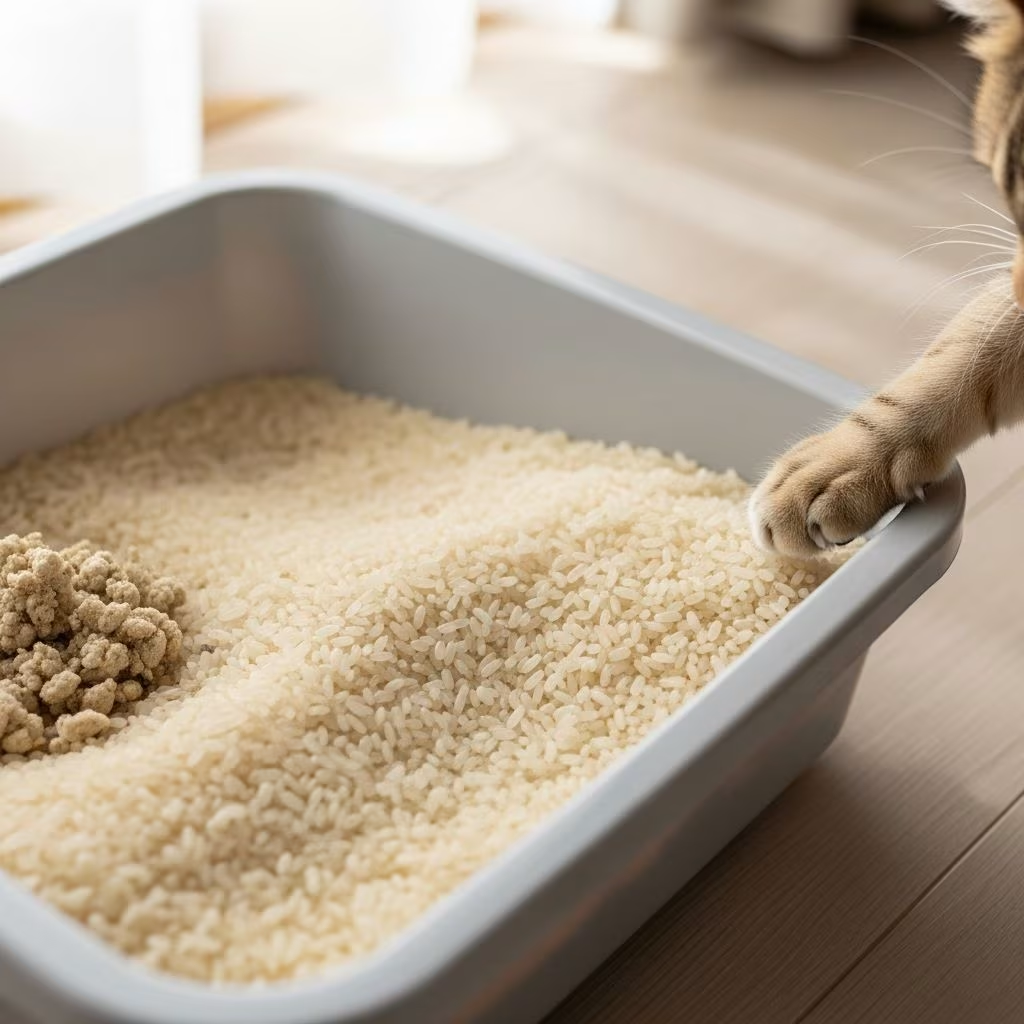
Uncooked rice can act as a temporary cat litter substitute in emergencies due to its moisture-absorbing qualities, but it falls short in odor management, clumping, and long-term safety.
Why Consider Rice for Your Cat’s Litter Box?
When standard cat litter runs out unexpectedly, pet owners often scramble for household alternatives. Rice emerges as a practical choice because it is highly absorbent, pulling in liquids to prevent immediate sogginess in the litter box. Its granular texture allows cats to dig and bury waste naturally, mimicking the feel of traditional litters.
Availability plays a key role too. Found in nearly every kitchen pantry or grocery aisle, plain uncooked rice requires no special shopping trip during a pinch. This makes it ideal for travel, unexpected guests, or supply shortages.
Key Benefits of Rice in Feline Waste Management
Rice offers several practical upsides, particularly for eco-conscious or budget-minded cat guardians.
- Affordability: Bulk bags cost far less than specialized litters, providing an economical stopgap solution.
- Biodegradability: Unlike clay-based products that linger in landfills, rice breaks down naturally and can be composted after waste removal, reducing environmental impact.
- Low Dust and Hypoallergenic: It produces minimal airborne particles, benefiting cats and owners with allergies or respiratory sensitivities.
- Non-Toxic Base: Plain rice poses no chemical risks, serving as a safer emergency pick compared to soaps or sands.
These attributes position rice as a short-term hero rather than a daily staple.
Significant Drawbacks Limiting Rice’s Effectiveness
Despite its conveniences, rice struggles in core litter functions, often leading to frustration.
Poor Odor Neutralization
Rice absorbs urine but fails to trap smells effectively. Without built-in deodorizers like activated carbon or sodium bicarbonate, ammonia odors build rapidly, necessitating frequent full changes.
No Clumping Mechanism
Commercial clumping litters form solid masses for easy scooping, but rice merely swells and disperses when wet. This mixes soiled grains with clean ones, complicating hygiene and increasing bacterial growth risks.
Messy Tracking and Scatter
Lightweight grains stick to paws and scatter across floors, creating cleanup headaches. Wet rice becomes sticky, adhering to box sides and fur.
| Aspect | Rice | Commercial Clumping Litter |
|---|---|---|
| Odor Control | Poor; odors develop quickly | Excellent; built-in neutralizers |
| Clumping | None; swells and scatters | Strong; easy scoopable clumps |
| Tracking | High; lightweight grains spread | Low; heavier particles stay put |
| Maintenance | Daily full changes needed | Scoop 1-2 times daily |
Health and Safety Risks for Cats and Homes
Beyond performance issues, rice introduces potential hazards warranting caution.
Ingestion Dangers
Curious cats, especially kittens, may nibble rice grains, risking choking or gastrointestinal blockages. While not poisonous, expanded rice in the stomach can cause discomfort, vomiting, or constipation.
Pest Infestations
As a food source, rice attracts ants, roaches, and rodents. Moist conditions exacerbate this, turning the litter box into an unintended buffet.
Skin and Paw Irritation
Hard grains might abrade sensitive paw pads over time, particularly if cats have existing dermatitis. Monitor for limping or reluctance to use the box.
A study on feline nutrition highlights rice’s poor digestibility, potentially compounding issues if ingested regularly, though this applies more to diet than litter.
Optimal Techniques for Rice Litter Implementation
To maximize rice’s utility while minimizing downsides, follow these strategies.
- Select Appropriate Rice: Use plain, uncooked white or brown varieties. Avoid flavored, instant, or seasoned types to prevent toxicity.
- Layer Correctly: Spread 2-3 inches in a clean, uncovered box. Mixing with 20-30% regular litter enhances clumping and familiarity.
- Boost Odor Fighters: Sprinkle baking soda or essential oil-free deodorizers pre-use for better smell suppression.
- Intensify Cleaning: Scoop solids multiple times daily; replace entirely every 24 hours. Use enclosed boxes to curb tracking.
- Observe Cat Response: Watch for acceptance or rejection. Transition back to standard litter promptly if avoidance occurs.
Store surplus rice in airtight containers away from the litter area to deter pests.
Superior Alternatives to Rice for Emergencies
Rice suits dire straits, but better household swaps exist for most scenarios.
- Wood Pellets or Sawdust: Superior absorption and clumping; biodegradable and low-odor.
- Shredded Newspaper: Free, absorbent, and disposable; add vinegar for deodorizing.
- Sand (Playground Variety): Excellent clumping but dusty and tracky; rinse first.
- Potato Peels or Cornmeal: Natural clumpers with fair odor control.
Stock these in advance for seamless coverage.
Long-Term Litter Choices Beyond Emergencies
For daily use, prioritize litters excelling in all areas: clumping clay, crystal silica, pine, or wheat-based. These balance hygiene, cat comfort, and owner ease. Consult vets for cats with urinary sensitivities, favoring low-dust, unscented formulas.
Environmental picks like recycled paper or grass seed litters offer sustainability without rice’s compromises.
Frequently Asked Questions
Is uncooked rice safe for cat litter use?
Yes, temporarily. It absorbs well but monitor for eating or allergies. Limit to 1-2 days.
How often must rice litter be changed?
Daily full replacement to combat odors and bacteria; scoop solids hourly if possible.
Can cats get sick from rice litter?
Ingestion risks digestive upset or blockages. Pests pose secondary threats. Not for long-term.
Does rice litter attract bugs?
Yes, frequently. Seal storage and clean rigorously to mitigate.
What if my cat refuses rice litter?
Try mixing with familiar litter or switch to pellets/sand. Avoid elimination issues.
Expert Insights on Feline Litter Hygiene
Veterinarians emphasize litter’s role in urinary health. Subpar options like rice heighten infection risks via poor moisture wicking. Always prioritize scoopability and deodorization for multi-cat homes or seniors.
Transition tips: Gradually blend new litters over a week to prevent box aversion.
References
- Can I Use Rice as Cat Litter? A Guide — PetsCare.com. 2024. https://www.petscare.com/news/post/use-rice-as-cat-litter-guide
- Can I Use Rice As Cat Litter? – PetGuide360.com — YouTube (Pet Guide 360). 2024-12-31. https://www.youtube.com/watch?v=UprQXSmuG9M
- Can I Use Rice as Cat Litter? Vet-Reviewed Pros, Cons — Hepper. N/A. https://articles.hepper.com/can-i-use-rice-as-cat-litter/
- Rice Isn’t Nice — Hare Today (Feline Nutrition). N/A. https://hare-today.com/feline-nutrition/the-blogs/rice-isnt-nice



