

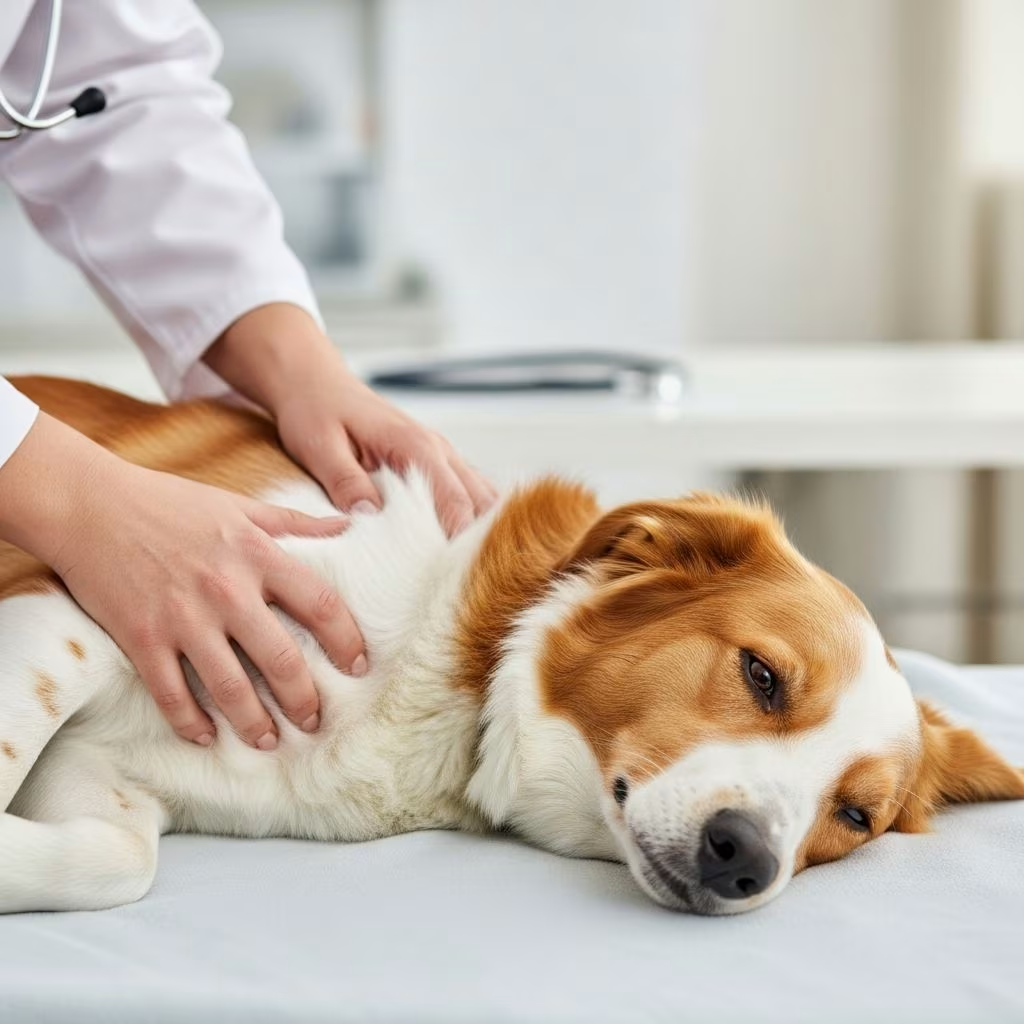
Rib pain in dogs represents a significant veterinary concern that affects their quality of life and ability to engage in normal activities. When a dog experiences discomfort in the thoracic region, it can impact breathing, movement, and overall well-being. Understanding the underlying causes, recognizing clinical manifestations, and implementing appropriate therapeutic interventions are essential for pet owners and veterinarians alike. This comprehensive guide explores the multifaceted nature of canine rib pain and provides evidence-based strategies for management and recovery.
Understanding the Anatomy of Canine Ribs
The ribcage in dogs serves as a protective structure for vital organs including the lungs, heart, and esophagus. Dogs possess thirteen pairs of ribs that work in conjunction with intercostal muscles and surrounding connective tissues to facilitate respiration and support the thoracic cavity. The rib structure is composed of bone and cartilage, with joints that allow for some degree of movement during breathing and physical activity. When any component of this intricate system is compromised, dogs experience varying degrees of discomfort that can manifest in behavioral and physical changes.
Common Traumatic Events Leading to Rib Complications
Traumatic injuries represent the primary cause of rib-related pain in dogs. Understanding the mechanisms of injury helps pet owners identify risk factors and take preventative measures.
Physical Altercations and Contact Sports
Dogs engaged in rough play with other animals frequently sustain rib injuries. Wrestling, aggressive interactions, and combative encounters can result in direct blunt force trauma to the thoracic region. Canine athletes participating in competitive sports such as agility competitions, dock diving, and herding trials are particularly vulnerable to these injuries due to the intense physical demands and dynamic movements required.
Falls and Accidental Trauma
Unintentional injuries occur through various mechanisms including falls from elevated surfaces such as furniture, decks, or vehicles. Dogs that slip on slippery flooring or miss steps while descending stairs may experience sudden impact to their ribcage. Senior dogs with reduced mobility and coordination are at increased risk for these accidental injuries.
High-Impact Activities
Canine athletes who engage in repetitive high-intensity activities face cumulative stress on their skeletal structure. Sharp directional changes, sudden acceleration and deceleration, and navigation of uneven terrain all place significant strain on the ribs and supporting structures. Over time, this repetitive stress can lead to inflammation and pain even without acute traumatic events.
Biomechanical Changes Following Rib Injury
When trauma occurs to the ribcage, several physiological changes take place within the affected tissues. The initial response involves inflammation at the injured site as the body’s natural healing process begins. Pressure can build up within the rib joints, creating discomfort that extends beyond the point of initial impact. Additionally, the nervous system responds to injury through altered signaling patterns from joints to the central nervous system. This abnormal neural communication perpetuates pain perception even after the acute inflammatory phase has subsided. Surrounding muscles respond protectively by increasing tension, which can limit mobility and create a self-perpetuating cycle of discomfort and restricted movement.
Recognizing Clinical Signs of Rib Pain
Dogs communicate pain through behavioral and physical indicators that observant owners can identify. Early recognition of these signs allows for prompt veterinary intervention and better treatment outcomes.
| Clinical Sign | Presentation | Significance |
|---|---|---|
| Breathing Pattern Changes | Shallow, rapid, or labored breathing | Indicates thoracic pain affecting respiratory mechanics |
| Positional Preferences | Reluctance to lie down or resistance to chest handling | Suggests localized pain during movement or palpation |
| Vocalization | Whining, crying, or yelping during movement | Direct pain response to activity |
| Activity Reduction | Decreased exercise tolerance and lethargy | Behavioral avoidance of pain-triggering movements |
| Appetite Changes | Reduced food intake or reluctance to eat | Secondary response to systemic pain |
| Visible Trauma | Bruising, swelling, or hair loss on chest | External evidence of trauma severity |
| Postural Abnormalities | Hunched stance or guarding behaviors | Protective muscle tension limiting rib movement |
| Performance Decline | Loss of previously enjoyed activities | Functional limitation from pain during specific movements |
Diagnostic Approaches for Rib Pain Assessment
Veterinary diagnosis of rib pain typically begins with a thorough physical examination and patient history. The veterinarian will palpate the ribcage to identify specific areas of discomfort and assess for crepitus or instability. Imaging studies, particularly radiographs, may be necessary to visualize fractures or other structural damage. In some cases, advanced imaging such as computed tomography provides more detailed information about the extent of injury and involvement of surrounding tissues. The diagnostic process helps differentiate between simple joint dysfunction, muscle strain, and actual fractures, which influences treatment selection.
Pharmacological Management Strategies
Medication plays a crucial role in managing rib pain and facilitating the healing process. A comprehensive pharmaceutical approach addresses multiple aspects of the pain response.
Non-Steroidal Anti-Inflammatory Medications
NSAIDs form the foundation of pain management for rib injuries by simultaneously reducing inflammation and pain. Common canine formulations include carprofen, meloxicam, deracoxib, and firocoxib. These medications function by inhibiting enzymatic pathways that produce inflammatory mediators in the body. When prescribed appropriately, NSAIDs provide significant pain relief that enables dogs to move more comfortably and engage in therapeutic activities. Veterinarians carefully select dosages based on individual patient factors including weight, age, and concurrent health conditions. Long-term NSAID use requires monitoring for potential gastrointestinal and renal effects.
Prescription Analgesics
Beyond NSAIDs, veterinarians may prescribe additional pain relievers for severe discomfort. Opioid-based medications provide potent pain control during the acute phase of injury. These medications are typically reserved for significant injuries or cases where NSAIDs prove insufficient for pain management.
Muscle Relaxation Medications
Trauma to the ribcage triggers protective muscle spasms in surrounding tissues. Muscle relaxants address this secondary response by reducing involuntary muscle contractions. Methocarbamol, diazepam, and tizanidine are commonly prescribed for canine patients experiencing muscle tension around the rib cage. By reducing spasm-related pain, these medications improve comfort and allow better participation in rehabilitation activities.
Cough Suppressants
Coughing creates significant pressure and movement within the thoracic cavity, which can be extremely painful in dogs with rib injuries and may disrupt the healing process. Veterinarians may prescribe cough suppressants such as butorphanol or hydrocodone to manage persistent coughing. By reducing cough frequency and intensity, these medications minimize rib movement and discomfort during the critical healing phase.
Bone Health Support
For dogs with rib fractures, supplements containing calcium, phosphorus, and other minerals support bone healing and mineralization. Vitamin D enhances mineral absorption, while omega-3 fatty acids provide anti-inflammatory benefits. These supportive therapies optimize the biological environment for bone repair and recovery.
Non-Pharmaceutical Therapeutic Interventions
Complementary to medication, various physical and therapeutic modalities promote healing and restore function in dogs with rib pain.
Canine Rehabilitation and Manual Therapy
Certified canine rehabilitation therapists employ specialized techniques specifically designed to address rib joint dysfunction. Manual therapy techniques include gentle rib mobilization, where controlled pressure and lifting movements normalize joint mechanics and reduce inflammation within the joint space. These techniques also dampen abnormal pain signaling from affected nerves. Myofascial release techniques address muscle tension and trigger points in surrounding musculature. When implemented during the appropriate phase of healing, these manual interventions produce remarkable improvements in function and comfort.
Laser Therapy Applications
Low-level laser therapy reduces inflammation and pain through photobiomodulation, a process where light energy stimulates cellular healing mechanisms. This non-invasive modality is particularly valuable in post-acute phases of rib injury and can be combined with other therapeutic approaches for enhanced results.
Physical Exercise and Conditioning
As acute pain subsides, controlled physical activity becomes essential for restoring normal movement patterns and preventing functional decline. Graduated exercise programs must be carefully designed to avoid re-injury while progressively challenging the healing tissues. Activities such as controlled leash walking and swimming provide beneficial movement without excessive stress.
Hydrotherapy Benefits
Aquatic therapy offers unique advantages for dogs recovering from rib injuries. Water provides buoyancy that reduces load on the thoracic skeleton while allowing full-range movement. The hydrostatic pressure of water assists muscle activation and promotes circulation. Swimming and controlled underwater treadmill exercise represent excellent rehabilitation modalities for dogs beyond the acute pain phase.
Heat and Cold Modalities
Therapeutic heat application improves blood flow and reduces muscle tension in chronic phases of healing. Cold therapy can reduce inflammation during acute injury phases. Physical therapists carefully select and apply these modalities based on the specific phase of injury and tissue response.
Recovery Timeline and Expectations
The healing duration for rib injuries varies considerably based on injury severity, dog age, and overall health status. Simple rib contusions and joint dysfunction may resolve within weeks with appropriate conservative management. Uncomplicated fractures typically require four to six weeks for adequate bone healing, during which strict activity restriction is essential. More complex injuries involving multiple fractured ribs or damage to surrounding structures may necessitate longer recovery periods. During the healing process, veterinary monitoring ensures appropriate progress and allows for treatment adjustments when necessary.
Complications and When to Seek Immediate Care
While many rib injuries respond well to conservative management, certain complications require immediate veterinary attention. Severe breathing difficulties, evidence of internal bleeding such as hemoptysis or blood in stools, collapse or extreme lethargy, and signs of infection warrant emergency evaluation. Injuries involving peritonitis—inflammation of the abdominal cavity—require hospitalization, intravenous fluid support, antibiotics, and potentially emergency surgery.
Long-Term Management and Prevention
Once healed, dogs may be predisposed to recurrent rib problems if underlying biomechanical issues persist. Ongoing gentle conditioning and periodic rehabilitation maintenance help prevent re-injury. For canine athletes, gradual return to competitive activities with appropriate warm-up and cool-down protocols reduces injury recurrence risk. Weight management, nutritional support, and early recognition of pain signals contribute to long-term musculoskeletal health.
Frequently Asked Questions
Q: Can rib pain in dogs resolve without veterinary treatment?
A: Simple rib contusions may improve over time with rest, but professional evaluation is important to rule out fractures and other complications. Untreated pain may lead to behavioral changes and functional decline.
Q: How long does rib fracture recovery typically require?
A: Most uncomplicated rib fractures in dogs require 3-6 weeks of healing time with appropriate management, depending on fracture severity and patient age.
Q: Are NSAIDs safe for long-term use in dogs with rib pain?
A: NSAIDs provide effective pain management, but prolonged use requires veterinary monitoring for gastrointestinal and renal effects. Regular check-ups and bloodwork ensure safe long-term use.
Q: Can dogs return to athletic activities after rib injury?
A: Yes, with appropriate rehabilitation and gradual conditioning. Return-to-sport protocols should be individualized and supervised by veterinary professionals.
Q: What role does rest play in rib injury recovery?
A: Strict cage rest during acute phases prevents re-injury and allows healing. Progressive activity increase is introduced as pain decreases and healing progresses.
References
- Signs of Rib Pain in Your Dog — The Canine Fitness Centre. Accessed February 2026. https://caninefitness.com/index.php?pid=35&name=Blog&bid=139&title=Signs-of-Rib-Pain-in-Your-Dog
- Fractured Rib in Dogs: 7 Essential Medications for Recovery — The Pet Vet. Accessed February 2026. https://thepetvet.com/fractured-rib-in-dogs/
- Dog Peritonitis — PetMD. Accessed February 2026. https://www.petmd.com/dog/conditions/digestive/c_multi_peritonitis
- Intervertebral Disc Disease: IVDD — Urban Veterinary Associates. Accessed February 2026. https://www.urbanpetvet.net/services/dogs/blog/intervertebral-disc-disease-ivdd
- 12 Telltale Signs That Your Dog Is in Pain — GoodRx. Accessed February 2026. https://www.goodrx.com/pet-health/dog/signs-a-dog-is-in-pain
- Fixation of Fractured Ribs in Dogs — Wag Walking. Accessed February 2026. https://wagwalking.com/treatment/fixation-of-fractured-ribs
- How to Recognize Pain in Aging Dogs — VCA Animal Hospitals. Accessed February 2026. https://vcahospitals.com/know-your-pet/behavior-changes-and-pain-in-aging-dogs



