

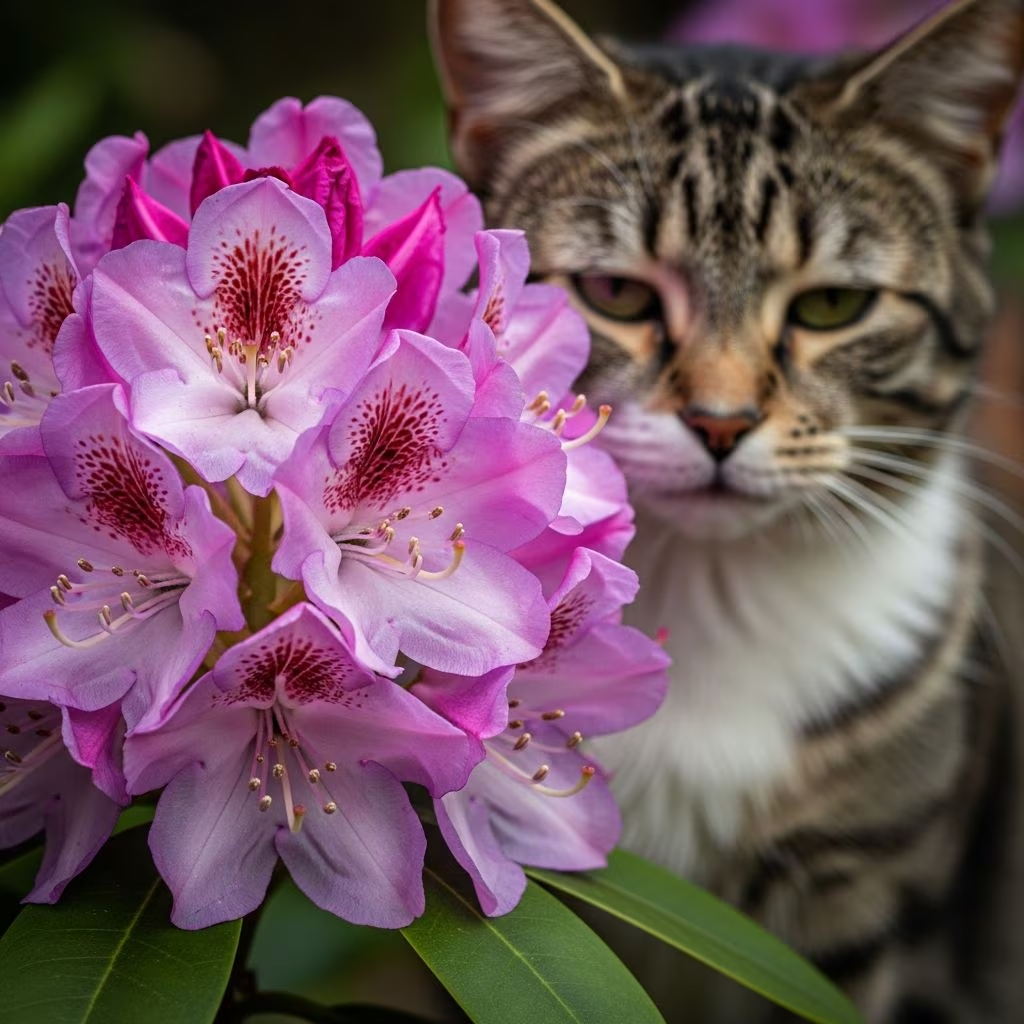
Rhododendrons, prized for their vibrant spring blooms, pose a severe threat to cats due to potent neurotoxins known as grayanotoxins present in all plant parts. Even small ingestions can trigger life-threatening symptoms, making awareness crucial for pet owners with gardens or indoor plants.
The Science Behind Rhododendron’s Toxicity to Felines
Grayanotoxins disrupt sodium channels in nerve and muscle cells, leading to uncontrolled cellular excitation. This affects the heart, nervous system, and skeletal muscles, potentially causing cardiovascular collapse. Cats are particularly vulnerable because even 0.2% of their body weight in plant material can induce poisoning. Unlike dogs, cats’ grooming habits increase risk as they ingest plant debris from fur.
These toxins bind to cell membranes, preventing normal deactivation and causing persistent stimulation. Cardiac muscle, reliant on precise electrical signaling, suffers arrhythmias, while nerves trigger tremors and weakness. Research confirms symptoms manifest within 1-12 hours post-ingestion.
Recognizing Early Warning Signs of Poisoning
Symptoms vary by toxin dose and affected systems but often start with gastrointestinal upset. Owners should watch for:
- Excessive drooling and hypersalivation
- Vomiting and diarrhea
- Loss of appetite and abdominal pain
- Weakness, depression, and lethargy
Neurological effects escalate rapidly, including ataxia (uncoordinated movement), muscle tremors, and seizures. Cardiovascular signs like low blood pressure, irregular heartbeat, and difficulty breathing signal emergencies. In severe cases, cats may collapse, enter coma, or suffer paralysis.
| Symptom Category | Common Signs | Timeline |
|---|---|---|
| Gastrointestinal | Vomiting, diarrhea, drooling | 1-6 hours |
| Neurological | Tremors, ataxia, seizures | 2-12 hours |
| Cardiovascular | Hypotension, arrhythmias, collapse | Up to 12 hours |
Prompt recognition is vital; delayed treatment worsens outcomes, with pneumonia as a noted complication.
Immediate Actions: What to Do If Exposure Occurs
Do not induce vomiting at home, as it risks aspiration. Contact a vet or poison hotline immediately. Provide details: amount ingested, time of exposure, and symptoms. Transport your cat swiftly; time is critical for decontamination.
At the clinic, expect diagnostics like bloodwork, urinalysis, and ECG to assess organ function. Treatment focuses on stabilization:
- Decontamination: Activated charcoal binds toxins in the gut
- Fluid Therapy: IV fluids at 2-4x maintenance rates support kidneys and flush toxins
- Symptom Control: Antiemetics (e.g., maropitant) curb vomiting; antiseizure meds (e.g., diazepam) manage tremors
For cardiac issues, atropine addresses bradycardia, and pain relief like buprenorphine eases discomfort without NSAIDs, which harm kidneys. No specific antidote exists, so supportive care is key.
Veterinary Treatment Protocols Explained
Hospitalization often lasts 24-72 hours with continuous monitoring. Hepatoprotectants protect the liver if needed, though primary targets are heart and nerves. Prognosis is fair with early intervention; survival rates improve if symptoms don’t progress.
Post-discharge, monitor for relapse: renewed vomiting, lethargy, or jaundice warrants immediate return. Long-term, kidney damage may require special diets.
Preventing Tragic Encounters in Your Home and Yard
Eliminate rhododendrons and similar plants (azaleas) from cat-accessible areas. Opt for pet-safe alternatives:
- Spider plants
- Cat grass
- Boston ferns
Indoor strategies include plant hangers, bitter sprays, and training ‘leave it’ commands. Outdoor fencing and supervision deter nibbling. Regular yard audits prevent hidden risks.
Related Toxic Plants: Broader Garden Hazards
Besides rhododendrons, watch for lilies (kidney failure), philodendrons (raphides causing oral irritation and CNS issues), and tulips (CNS depression). A proactive plant list aids safety.
| Plant | Toxins | Key Risks to Cats |
|---|---|---|
| Rhododendron | Grayanotoxins | Heart failure, coma |
| Lily | Unknown | Kidney shutdown |
| Philodendron | Calcium oxalates | Swelling, seizures |
FAQs: Common Questions on Feline Plant Toxicity
Are all rhododendron varieties equally toxic to cats?
Yes, all species contain grayanotoxins; no safe varieties exist.
How much rhododendron is dangerous for a cat?
As little as 0.2% body weight—mere leaves suffice for small cats.
Can cats recover fully from rhododendron poisoning?
Many do with prompt care, though some face lasting heart or kidney issues.
What if my cat just licked a rhododendron leaf?
Monitor closely; even contact may cause mild drooling, but ingestion risks escalation—call vet.
Is rhododendron toxic via pollen or water?
Primarily ingestion, but contaminated water poses low risk; discard vase water.
Long-Term Care After a Poisoning Incident
Survivors benefit from follow-ups: blood panels track recovery. Adjust environment permanently. Educate family on risks. Pet insurance covers such emergencies, easing financial burden.
References
- Plant Toxicity in Cats: 7 Essential Medications for Treatment — ThePetVet.com. 2023. https://thepetvet.com/plant-toxicity-in-cats/
- Toxicity of House Plants to Pet Animals — PMC (PubMed Central). 2023-05-25. https://pmc.ncbi.nlm.nih.gov/articles/PMC10220692/
- Is Rhododendron Toxic to Cats? Vet Approved Facts — Catster. 2024. https://www.catster.com/cat-health-care/is-rhododendron-toxic-to-cats/
- Rhododendron Poisoning in Cats – Symptoms, Causes — WagWalking. 2023. https://wagwalking.com/cat/condition/rhododendron-poisoning
- Rhododendron — ASPCA Poison Control. 2024. https://www.aspca.org/pet-care/aspca-poison-control/toxic-and-non-toxic-plants/rhododendron
- Common Spring Plant Exposures in Dogs and Cats — VetGirl on the Run. 2023. https://vetgirlontherun.com/common-spring-plant-exposures-in-dogs-and-cats-vetgirl-veterinary-continuing-education-blog/
- What to Know About Rhododendron Poisoning — WebMD. 2023. https://www.webmd.com/first-aid/rhododendron-poisoning



