

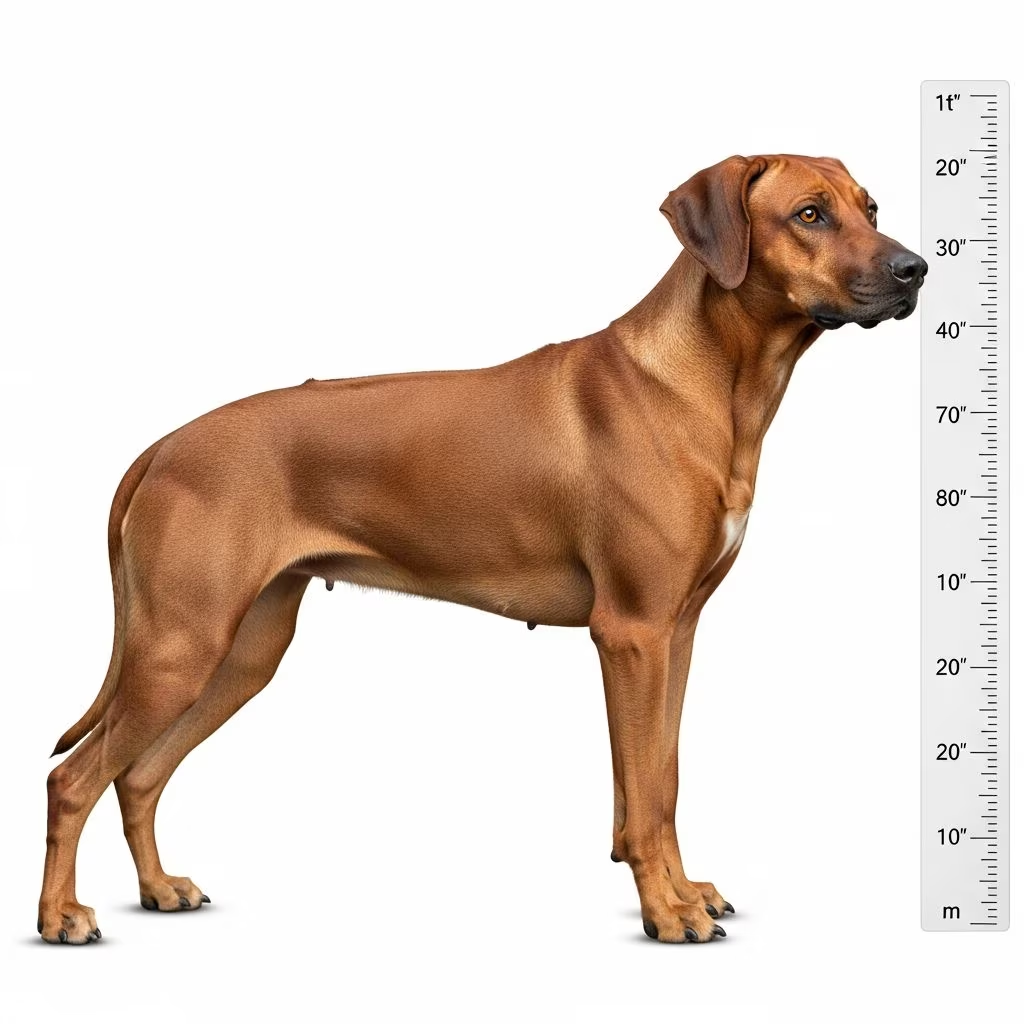
Rhodesian Ridgebacks are majestic, athletic canines renowned for their muscular build and distinctive ridge along the back. Adult males typically measure 25-27 inches at the shoulder and weigh 85-100 pounds, while females stand 24-26 inches tall and weigh 70-85 pounds, according to official breed standards from authoritative kennel clubs.
Official Breed Size Specifications
The Royal Kennel Club and American Kennel Club outline precise dimensions for this hound breed to preserve its functional physique for endurance and speed. These guidelines ensure the dog maintains a symmetrical, powerful frame suitable for its historical roles in hunting and guarding.
- Male Rhodesian Ridgebacks: Height at withers: 25-27 inches (63-69 cm); Weight: 85-100 pounds (38-45 kg).
- Female Rhodesian Ridgebacks: Height at withers: 24-26 inches (61-66 cm); Weight: 70-85 pounds (32-38 kg).
These ranges reflect mature dogs, with males generally exhibiting greater mass and stature due to genetic predispositions. The FCI standard notes males up to 29 inches in some contexts, but core U.S. and U.K. benchmarks prioritize balance over extreme size. Deviations beyond these norms may signal health concerns or improper breeding.
Factors Shaping Rhodesian Ridgeback Growth
Several elements determine how a Rhodesian Ridgeback develops from a tiny pup to a formidable adult. Genetics from the sire and dam play the primary role, setting the potential height and weight blueprint.
| Factor | Influence on Size | Examples |
|---|---|---|
| Genetics | Primary determinant | Large parents yield bigger offspring |
| Nutrition | Critical for bone/muscle development | High-protein diets promote optimal growth |
| Exercise | Builds lean muscle | Daily runs prevent obesity |
| Health/Spay-Neuter | May slightly reduce size | Early neutering impacts hormone-driven growth |
| Sex | Males larger than females | Dimorphism averages 10-15% difference |
Owners should monitor these to avoid stunted growth or excessive bulk, which can strain joints.
Growth Timeline: From Puppy to Adult
Rhodesian Ridgeback puppies experience rapid early growth, doubling weight in the first weeks. By 8 weeks, expect males at 15-20 pounds and females at 12-18 pounds. This accelerates through 6 months, when they reach about 50-70% of adult size.
- Birth to 2 Months: 1-20 pounds; focus on milk and starter kibble.
- 3-6 Months: Explosive phase; males 40-60 pounds, females 35-50 pounds.
- 7-12 Months: Filling out; approach adult height but gain muscle.
- 1-2 Years: Full maturity; weight stabilizes as skeletal growth plates close.
- 2+ Years: Peak condition; maintain through diet and activity.
This progression underscores the need for large-breed puppy formulas to support joint health during spurts.
Understanding Male vs. Female Dimensions
Sexual dimorphism is evident in Rhodesian Ridgebacks, with males boasting broader chests, thicker necks, and overall heftier frames. A typical adult male stands 26 inches tall and tips the scales at 90 pounds, exuding power, whereas females average 25 inches and 75 pounds, retaining elegance and agility.
This difference aids in breeding selections and household planning—males demand more space and food. Females may appear more streamlined, ideal for active families.
Nutrition Strategies for Proper Sizing
Feeding profoundly impacts final size. Puppies require 22-32% protein diets with controlled calcium (1.2-1.5%) to foster strong bones without overgrowth, which risks hip dysplasia. Adults thrive on maintenance formulas balancing 18-25% protein.
Portion daily intake by weight: puppies 3-6 cups split into meals; adults 3-5 cups. Avoid free-feeding to prevent obesity, especially post-growth. Consult vets for tailored plans, incorporating omega-3s for coat and joint support.
Exercise Needs by Age and Size
These large hounds need 60-90 minutes of daily vigorous activity to sculpt their muscular bodies. Puppies under 6 months benefit from short, frequent play sessions to protect developing joints; adolescents require jogging or hiking.
Adults excel in lure coursing or agility, channeling their hound heritage. Insufficient exercise leads to boredom and size-related issues like weight gain.
Health Implications of Size Variations
Larger-than-standard Ridgebacks face elevated risks for bloat (GDV), common in deep-chested breeds, and orthopedic problems like elbow dysplasia. Undersized dogs may lack stamina. Regular vet checks, including OFA certifications for hips/elbows, ensure soundness. Lifespan averages 10-12 years, with proper size management extending vitality.
Selecting a Puppy with Ideal Growth Potential
Choose breeders providing health clearances and growth projections based on parental stats. Observe litter dynamics—vigorous pups often mature larger. Request dewclaw removal records, as standards specify this for clean forequarters.
Space and Lifestyle Considerations for Large Ridgebacks
With adults spanning 27 inches and 100 pounds, plan for spacious yards (at least 1/4 acre) and avoid apartments. They adapt to suburbs with ample walks but flourish in rural settings echoing their African origins.
Frequently Asked Questions
How fast do Rhodesian Ridgeback puppies grow?
They gain 2-3 pounds weekly early on, reaching half adult weight by 6 months.
Do males or females get bigger?
Males are consistently larger by 10-20% in height and weight.
Can diet change my dog’s final size?
Yes, underfeeding stunts growth; overfeeding causes obesity.
When do they stop growing in height?
Around 12-18 months, with muscle fill-out to 2 years.
Is a 30-inch Ridgeback normal?
No, that’s oversized; stick to 24-27 inch standards.
Conclusion
Mastering Rhodesian Ridgeback sizes empowers owners to nurture healthy, balanced companions. Adhering to breed norms ensures these dignified guardians thrive.
References
- Rhodesian Ridgeback Breed Standards — The Kennel Club. 2023. https://www.royalkennelclub.com/breed-standards/hound/rhodesian-ridgeback/
- Rhodesian Ridgeback Dog Breed — Hill’s Pet Nutrition. 2024-01-15. https://www.hillspet.com/dog-care/dog-breeds/rhodesian-ridgeback
- What to Know About Rhodesian Ridgebacks — WebMD. 2024-05-20. https://www.webmd.com/pets/dogs/what-to-know-about-rhodesian-ridgebacks
- Rhodesian Ridgeback — Wikipedia (referencing FCI/AKC). 2025-01-10. https://en.wikipedia.org/wiki/Rhodesian_Ridgeback
- Rhodesian Ridgeback Dog Breed Information — American Kennel Club. 2024-11-05. https://www.akc.org/dog-breeds/rhodesian-ridgeback/



